Sonowal lays foundation for 150 TPD e-Methanol Plant at Kandla
Synopsis
Union Minister Sarbananda Sonowal laid the foundation of a 150 TPD e-Methanol Plant at Deendayal Port, Kandla, on September 26, 2026, framing it as an Assam-Gujarat green energy collaboration under India's National Green Hydrogen Mission and Maritime India Vision 2030.
Key Takeaways
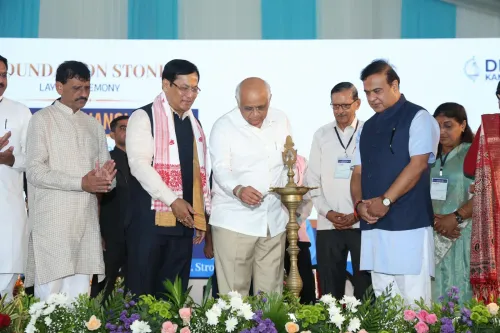
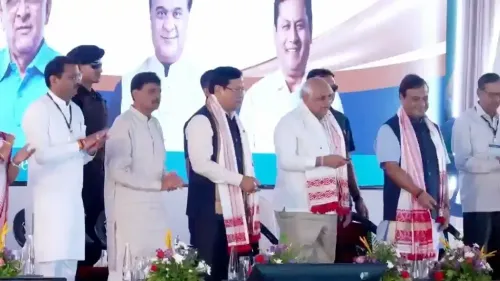
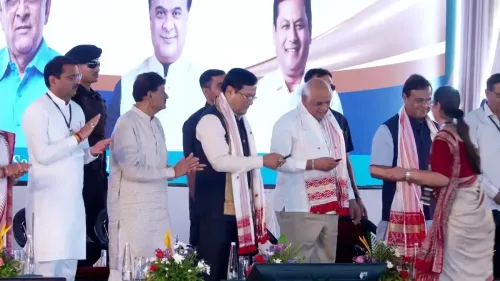
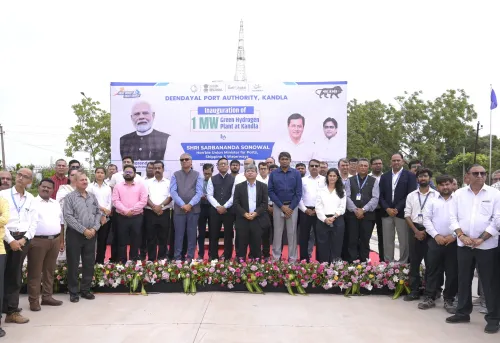
Sarbananda Sonowal , Union Minister of Ports, Shipping and Waterways, attended the Shilanyas of a 150 TPD e-Methanol Plant at Deendayal Port, Kandla on September 26, 2026 .
The project is framed as an Assam-Gujarat collaboration , combining inter-state renewable resources with port infrastructure.
E-Methanol is a green maritime fuel produced from green hydrogen and captured CO2, suited to existing bunkering infrastructure.
The plant advances India's National Green Hydrogen Mission (launched 2023 ) and aligns with Maritime India Vision 2030 .
India targets net-zero emissions by 2070 ; the shipping sector faces binding IMO decarbonisation timelines.
Deendayal Port is one of India's 12 major ports , making it a strategic site for a green bunkering hub.
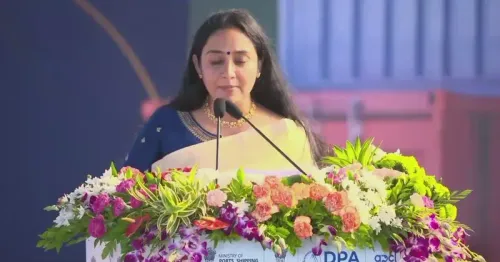
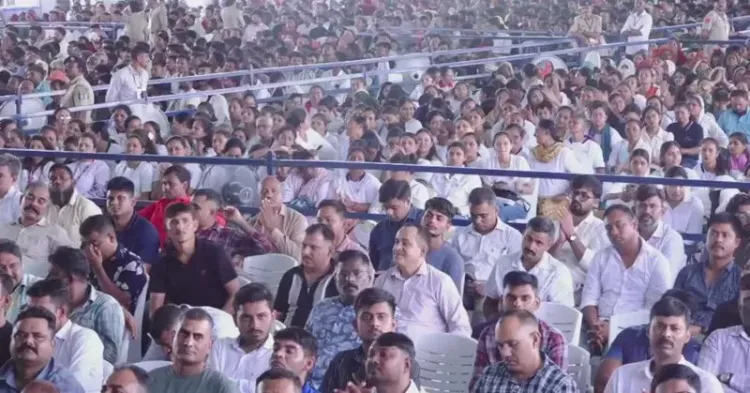
India's maritime decarbonisation drive just got a landmark moment on the Gujarat coastline. Union Minister of Ports, Shipping and Waterways Sarbananda Sonowal on Saturday, September 26, 2026, addressed the Shilanyas — the foundation-laying ceremony — of a 150 tonnes-per-day (TPD) e-Methanol Plant at Deendayal Port, Kandla, calling the project a collaboration between Assam and Gujarat for India's green future.
What is getting built at Kandla — and why it matters
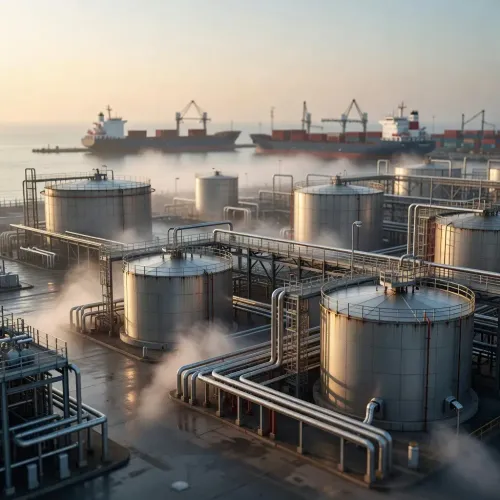
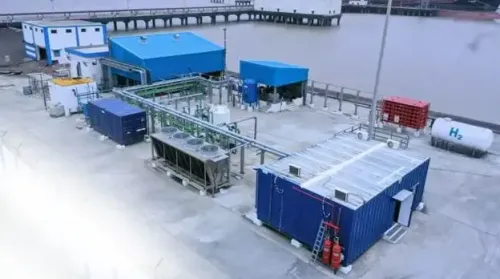
Deendayal Port is one of India's 12 major ports, a high-volume cargo hub anchoring Gujarat's industrial coastline. The new facility will produce electro-methanol — commonly called e-Methanol — a synthetic fuel manufactured using green hydrogen and captured carbon dioxide. At 150 TPD, the plant is among the larger green-fuel production facilities proposed at any Indian port, and its location directly on port premises is intentional: it brings the fuel to the ships that need it.
E-Methanol is gaining global traction as a low-emission marine fuel because it can be stored and bunkered using existing infrastructure, unlike liquid hydrogen, which demands cryogenic handling. For a port like Kandla, producing it on-site could eventually position the facility as a regional bunkering hub for green shipping corridors.
The Assam-Gujarat axis behind the project
Sonowal framed the plant as an Assam-Gujarat collaboration — an inter-state pairing that brings together Assam's renewable energy and feedstock potential with Gujarat's port infrastructure and industrial scale. As a former Chief Minister of Assam now leading India's ports ministry, Sonowal's framing of this as a northeast-west collaboration is pointed: it signals that the green energy transition is expected to draw on resources spread across the country, not just the coastal states.
The project sits squarely within India's National Green Hydrogen Mission, launched in 2023, which targets the production of green hydrogen and its derivatives — including e-Methanol — to decarbonise hard-to-abate sectors. Shipping is near the top of that list.
Maritime India Vision 2030 and the net-zero clock
India has committed to achieving net-zero emissions by 2070, and the shipping sector — responsible for roughly 3 percent of global greenhouse gas emissions — faces mounting regulatory pressure from the International Maritime Organization, which has set its own decarbonisation targets. Maritime India Vision 2030, the government's blueprint for the sector, explicitly identifies green fuel production at major ports as a strategic priority. Kandla's e-Methanol plant is a direct, concrete expression of that strategy.
The next milestones to watch: construction progress, a commissioning timeline, and whether similar plants are announced at other major ports on India's eastern and western coasts. The Kandla foundation-laying sets a precedent — and a benchmark.
Point of View
Which also serves to highlight northeastern India's role in the national energy economy. With IMO emission norms tightening and global shipping lines seeking compliant fuel sources, early movers in port-based green fuel production stand to capture significant bunkering revenue. The real test will be the commissioning timeline: foundation-laying is a milestone, but the industry is watching for when the first tonne of e-Methanol actually reaches a vessel.
NationPress
26 Sept 2026
Frequently Asked Questions
What is an e-Methanol plant and how does it work?
An e-Methanol plant produces electro-methanol by combining green hydrogen — made using renewable electricity — with captured carbon dioxide. The resulting fuel, e-Methanol, can power ships and is compatible with existing marine fuel infrastructure, making it a practical alternative to fossil-based maritime fuels.
Where is the new e-Methanol plant being built?
The 150 TPD e-Methanol Plant is being built at Deendayal Port, Kandla , in Gujarat — one of India's 12 major ports.
What is the Assam-Gujarat connection in this project?
Union Minister Sarbananda Sonowal described the project as a collaboration between Assam and Gujarat, suggesting the initiative draws on inter-state resources — potentially Assam's feedstock or renewable energy potential — combined with Gujarat's port infrastructure. Exact collaboration details have not been officially specified beyond the minister's remarks.
How does this plant relate to India's National Green Hydrogen Mission?
India's National Green Hydrogen Mission , launched in 2023 , targets the production of green hydrogen and its derivatives — including e-Methanol — to decarbonise sectors like shipping. The Kandla plant is a direct project under this policy framework.
Why is e-Methanol important for shipping emissions?
Shipping accounts for roughly 3 percent of global greenhouse gas emissions. The International Maritime Organization has set binding decarbonisation targets for the sector. E-Methanol offers a lower-emission fuel that can be stored and handled using modified versions of existing infrastructure, making it one of the more commercially viable green alternatives for the industry.