Sonowal Lays Stone for India's First Port-Based eMethanol Plant
Synopsis
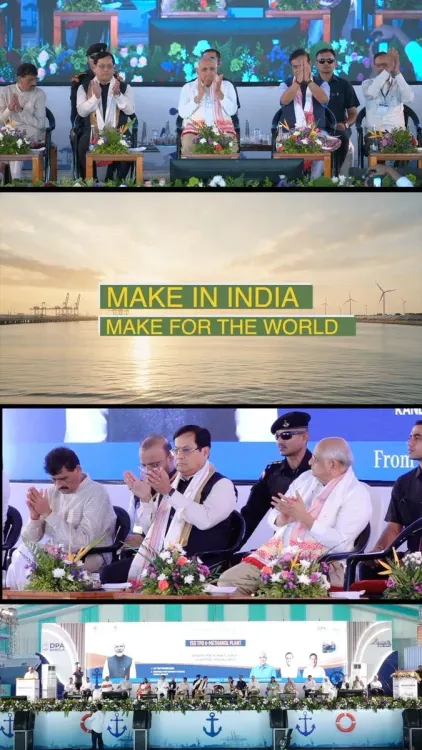
Union Minister Sarbananda Sonowal laid the foundation stone of India's first port-based eMethanol production facility at Deendayal Port, Kandla on September 27, 2026, advancing India's maritime decarbonisation agenda under the National Green Hydrogen Mission and the Sagarmala Project.
Key Takeaways
Union Minister Sarbananda Sonowal laid the foundation stone of India's first port-based eMethanol production facility on 27 September 2026 .
The facility is located at Deendayal Port, Kandla in Gujarat , one of India's busiest bulk and energy cargo hubs. eMethanol is a green marine fuel produced from green hydrogen and captured CO₂, compatible with existing ship engines.
The project links to the National Green Hydrogen Mission (2023) and the Sagarmala Project (2015) , both of which prioritise port-led green energy development.
Sonowal framed the initiative as a Gujarat–Assam inter-state collaboration, signalling an intent to connect inland energy corridors to coastal production.
Production capacity, investment size, partners, and commissioning timelines have not yet been publicly confirmed.
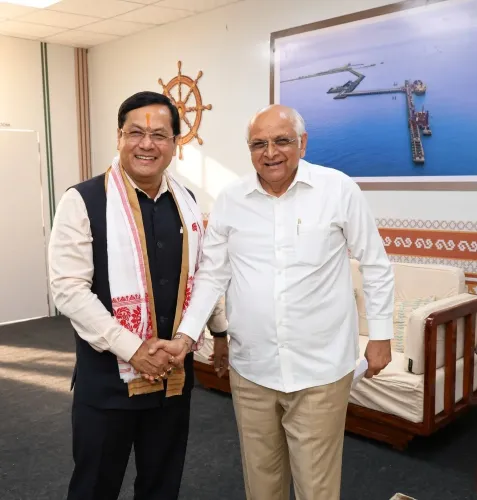
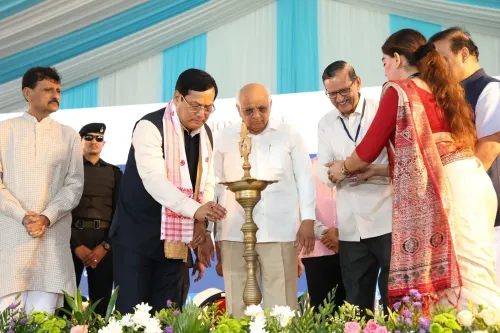
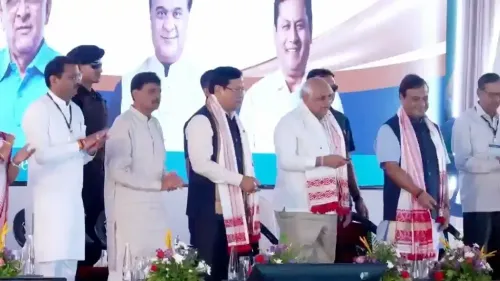
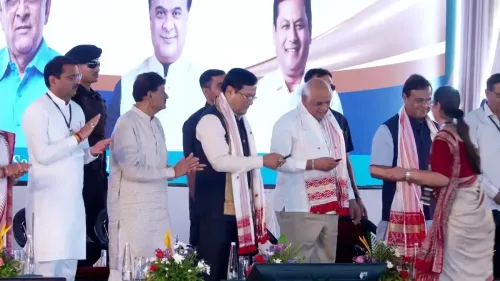
India's green maritime future has a foundation — and it was laid on Sunday, September 27, 2026, at Deendayal Port, Kandla in Gujarat. Union Minister of Ports, Shipping and Waterways Sarbananda Sonowal inaugurated the foundation stone of India's first port-based eMethanol production facility, marking a landmark step in the country's push to decarbonise its shipping sector.
What Makes Kandla the Right Address for This Facility
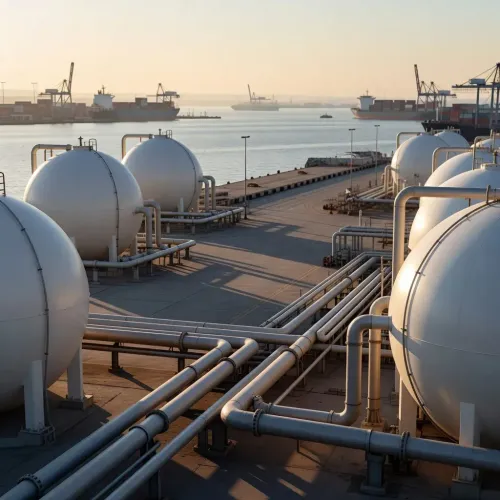
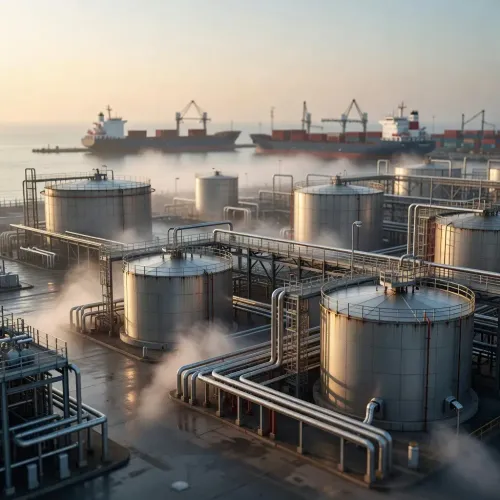
Deendayal Port — formerly Kandla Port and one of India's busiest cargo hubs — handles bulk commodities and energy cargo at scale, making it a logical anchor for a green marine fuel facility. Locating eMethanol production directly at a major port cuts the logistics chain for fuel delivery to ships, a critical advantage as global shipping lines race to meet tightening emission standards set by the International Maritime Organisation (IMO).
eMethanol is produced by combining green hydrogen with captured carbon dioxide, yielding a liquid fuel that existing ship engines can run on with minimal modification. India's National Green Hydrogen Mission, approved in 2023, explicitly identifies green fuel derivatives — including eMethanol — as a priority for maritime use, giving this project a clear policy runway.
The Gujarat–Assam Axis Sonowal Is Building
Minister Sonowal, himself a former Chief Minister of Assam, framed the project as an exercise in inter-state collaboration, writing on X: 'Bringing Gujarat and Assam together for a sustainable tomorrow.' The pairing carries symbolic weight — Gujarat, India's industrial western powerhouse with a commanding coastline, and Assam, a northeastern state with growing stakes in energy production and river logistics.
The gesture reflects a broader Ministry of Ports strategy under the Sagarmala Project — launched in 2015 — which envisions port-led development as an engine for pulling hinterland states into maritime value chains. Assam's involvement in a Kandla-based green-fuel project signals that the ministry is stitching inland energy corridors to coastal production nodes.
Where India's Maritime Decarbonisation Push Goes Next
The Kandla facility is explicitly India's first port-based eMethanol unit — meaning the template, if it proves viable, is designed to travel. The ministry's green port programme leaves room for replication at other major Indian ports as domestic and international shipping demand for low-carbon bunker fuels accelerates through the late 2020s.
Exact production capacity, project partners, and a commissioning timeline have not been publicly confirmed. What is clear is the strategic intent: India wants to be not just a consumer of green marine fuels, but a producer — and it wants that production sitting right at the waterfront.
The anchor has been dropped at Kandla. The question now is how fast the fuel will flow.
Point of View
Not merely an importer, of next-generation marine fuels before IMO decarbonisation mandates tighten in the late 2020s. Sonowal's decision to brand the project as a Gujarat–Assam partnership is politically astute, threading the needle between the BJP's industrial Gujarat identity and its northeastern stronghold in Assam. If the facility proves replicable across major Indian ports, it could give India a genuine first-mover advantage in the Asian eMethanol bunkering market — but the absence of confirmed capacity and partner details means the real test of intent is still to come.
NationPress
27 Sept 2026
Frequently Asked Questions
What is India's first port-based eMethanol production facility?
It is a green marine fuel production plant being built at Deendayal Port, Kandla in Gujarat, whose foundation stone was laid by Union Minister Sarbananda Sonowal on September 27, 2026. It will produce eMethanol — a low-carbon fuel made from green hydrogen and captured CO₂ — for use in ships docking at the port.
What is eMethanol and why does it matter for shipping?
eMethanol is a synthetic liquid fuel produced by combining green hydrogen with carbon dioxide. It can be used in ship engines with minimal modification and produces significantly lower emissions than conventional bunker fuel, making it a key option for meeting International Maritime Organisation decarbonisation targets.
What is Deendayal Port, Kandla?
Deendayal Port — formerly Kandla Port — is one of India's largest ports, located in Gujarat. It specialises in bulk and energy cargo and is a strategic choice for hosting a green marine fuel facility due to its high vessel traffic and existing energy infrastructure.
How does this project fit into India's green hydrogen policy?
India's National Green Hydrogen Mission, approved in 2023, prioritises green fuel derivatives including eMethanol for maritime use. The Kandla facility directly aligns with that mission, as well as the Sagarmala Project launched in 2015 for port-led industrial development.
Why did Sonowal mention Gujarat and Assam together in this project?
Minister Sonowal, a former Chief Minister of Assam, framed the project as an inter-state collaboration between Gujarat — the industrial state hosting the facility — and Assam, his home state with growing links to energy production. It reflects the ministry's broader strategy of connecting inland states to maritime value chains.