Sonowal Lays Foundation for ₹2,300 Cr e-Methanol Plant at Kandla
Synopsis
Union Minister Sarbananda Sonowal laid the foundation stone for a ₹2,300 crore, 150 TPD e-Methanol plant at Deendayal Port, Kandla, alongside Gujarat CM Bhupendra Patel and Assam CM Himanta Biswa Sarma, advancing India's green maritime decarbonisation agenda.
Key Takeaways
A ₹2,300 crore e-Methanol plant with a capacity of 150 tonnes per day (TPD) was foundation-stoned at Deendayal Port, Kandla on 26 September 2026 .
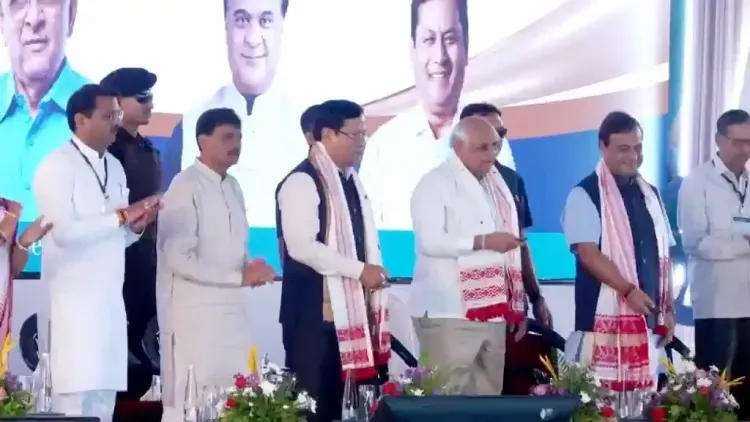
Union Minister Sarbananda Sonowal was joined by Gujarat CM Bhupendra Patel and Assam CM Himanta Biswa Sarma at the ceremony.
The project aligns with India's National Green Hydrogen Mission (2023) , which targets green hydrogen and its derivatives for decarbonisation.
Deendayal Port is India's largest major port by cargo volume, making it a strategic anchor for green marine bunkering infrastructure.
The event was framed under the Ek Bharat, Shreshtha Bharat initiative, highlighting cross-state collaboration between Gujarat and Assam.
The facility positions India to supply IMO-compliant low-emission fuels to international shipping lines as global decarbonisation norms tighten.
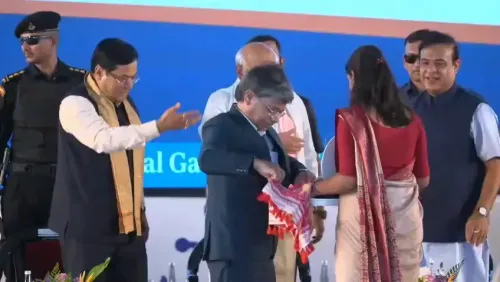
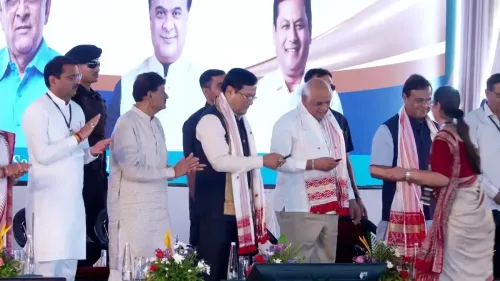
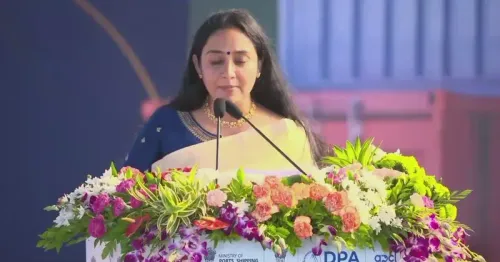
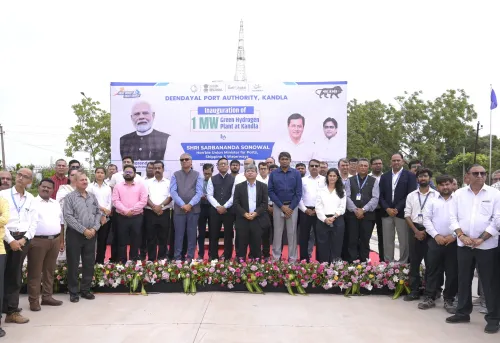
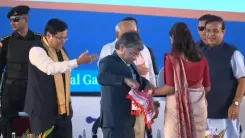
A ₹2,300 crore green fuel facility broke ground at Deendayal Port, Kandla on Saturday, 26 September 2026 — and the symbolism was as deliberate as the engineering. Union Minister of Ports, Shipping and Waterways Sarbananda Sonowal laid the foundation stone for an e-Methanol plant with a capacity of 150 tonnes per day (TPD), flanked by Gujarat Chief Minister Bhupendra Patel and Assam Chief Minister Himanta Biswa Sarma — two states, one stage, one shared maritime ambition.
What 150 TPD of e-Methanol Actually Means for India's Ports
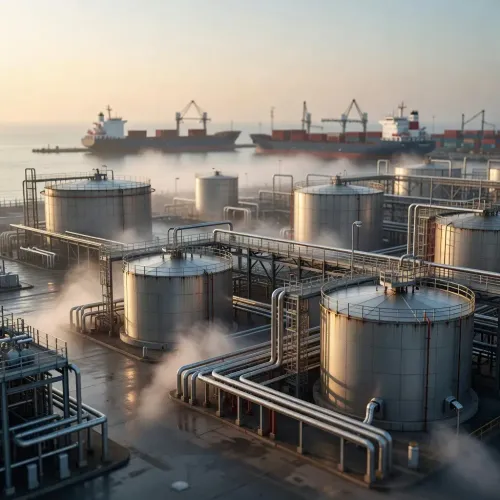
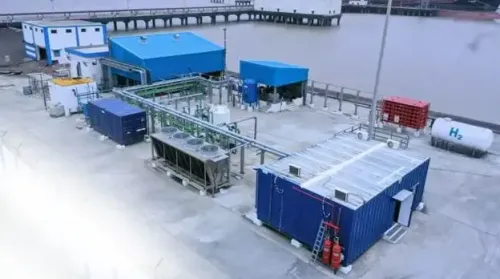
E-methanol — produced by combining green hydrogen with captured carbon dioxide — is rapidly emerging as one of the most viable low-emission fuels for the global shipping industry. At 150 tonnes per day, the Kandla plant would rank among the larger dedicated e-methanol facilities in Asia once operational. Deendayal Port, one of India's 12 major ports and the country's single largest by cargo volume, is a logical anchor for such infrastructure: it already handles a vast share of bulk and chemical cargo, making it a natural bunkering hub for green marine fuels.
Sonowal framed the event in expansive terms, writing on X: 'Translating Vision to Reality!' — and invoking the 'Mantra of Ek Bharat, Shrestha Bharat' as the ideological scaffolding powering what he called India's 'Green Maritime future.'
Green Hydrogen Mission Meets Port-Led Development
The project sits at the intersection of two significant policy streams. India's National Green Hydrogen Mission, approved in 2023, specifically targets production of green hydrogen and its derivatives — including e-methanol — to drive industrial and transport decarbonisation. Simultaneously, the Sagarmala Project, launched in 2015, has been pushing port modernisation and green upgrades across the country's major port network. The Kandla plant is, in effect, where both currents converge.
International shipping faces tightening emission norms from the International Maritime Organization (IMO), which has set ambitious targets for reducing greenhouse gas emissions from global fleets. Indian ports that can supply compliant fuels like e-methanol stand to capture significant bunkering business as shipowners scramble to decarbonise their operations. Getting the infrastructure right — and early — is the bet Sonowal's ministry is making.
Two CMs, One Port — The Ek Bharat Subtext
The presence of both Bhupendra Patel (Gujarat) and Himanta Biswa Sarma (Assam) on the Kandla dais was not accidental. The Ek Bharat, Shreshtha Bharat initiative — launched in 2015 to foster cross-state developmental and cultural ties — provided the framework Sonowal explicitly cited. Sarma's attendance at a Gujarat port ceremony is a pointed illustration of how the Centre is using high-visibility infrastructure events to project inter-state solidarity under BJP governance. Sonowal himself, a former Chief Minister of Assam, carries personal credibility in that equation.
For Gujarat, the plant reinforces Kandla's strategic positioning as a green-energy port. For Assam and the northeast, the association signals a connectivity of aspiration even if the physical infrastructure sits a continent away from Guwahati.
What Comes Next at India's Major Ports
The Kandla foundation stone is the most visible signal yet of where the ministry intends to take green fuel infrastructure. The broader question — one the shipping industry will be watching closely — is how quickly similar capacity follows at other major ports: JNPA near Mumbai, Chennai, Paradip, and Vizag all handle fuel-intensive traffic where e-methanol bunkering could transform economics. Rollout speed, private investment mobilisation, and grid connectivity for green hydrogen electrolysis will determine whether today's foundation stone becomes tomorrow's operational hub — or another ambitious headline waiting for follow-through.
India's green maritime window is open. The clock, and the shipping lanes, are moving.
Point of View
Shreshtha Bharat banner, the Centre is simultaneously advancing a maritime decarbonisation agenda and projecting a model of inter-state governance cohesion. The strategic logic is clear: whichever port ecosystem corners compliant green fuel supply earliest will capture outsized bunkering revenue as IMO emission timelines bite. The test, however, remains execution — India's major port green projects have historically faced delays in private financing and grid integration that the ministry will need to preempt if the Kandla plant is to become a replicable template rather than a symbolic one-off.
NationPress
26 Sept 2026
Frequently Asked Questions
What is the e-Methanol plant at Deendayal Port, Kandla?
It is a green fuel facility with a planned capacity of 150 tonnes per day (TPD) of e-methanol — a low-emission marine fuel produced using green hydrogen — being built at Deendayal Port in Kandla, Gujarat, at an estimated cost of ₹2,300 crore. The foundation stone was laid on 26 September 2026.
Why is e-methanol important for shipping?
E-methanol is produced by combining green hydrogen with captured CO2 and generates significantly lower greenhouse gas emissions than conventional marine fuels. It is one of the fuels endorsed by the International Maritime Organization (IMO) for ships seeking to meet tightening global emission norms.
What is the National Green Hydrogen Mission and how does this project relate to it?
India's National Green Hydrogen Mission was approved in 2023 to scale up production of green hydrogen and its derivatives — including e-methanol — for industrial and transport decarbonisation. The Kandla plant is a direct infrastructure output of that policy ambition.
Why were both the Gujarat and Assam chief ministers present at a Kandla port event?
Union Minister Sonowal explicitly cited the 'Ek Bharat, Shreshtha Bharat' framework — a government initiative to promote cross-state cooperation — as the connecting theme. Sonowal is himself a former Chief Minister of Assam, lending personal significance to Assam CM Himanta Biswa Sarma's presence at a Gujarat infrastructure event.
What is Deendayal Port and why was it chosen for this plant?
Deendayal Port at Kandla in Gujarat is one of India's 12 major ports and the country's largest by cargo volume, making it a strategic choice for green marine fuel infrastructure. Its existing bulk and chemical cargo traffic creates a natural base for future e-methanol bunkering operations.