CM Pema Khandu Plans Kidney Transplants at TRIHMS, Hands Orders to 72 Specialists

Synopsis
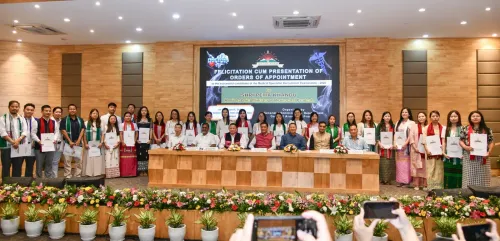
Chief Minister Pema Khandu announced plans to introduce kidney transplant services at TRIHMS and handed appointment orders to 72 newly recruited medical specialists on 13 August 2026, marking a significant push to expand tertiary and specialist healthcare across Arunachal Pradesh.
Key Takeaways
CM Pema Khandu announced plans to introduce kidney transplant facilities at TRIHMS , Arunachal Pradesh's primary tertiary care institution.
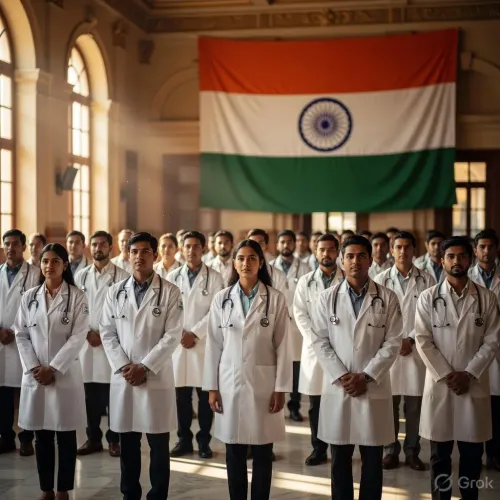
72 newly recruited medical specialists received appointment orders to strengthen healthcare services across the state.
TRIHMS was established around 2017 as Arunachal Pradesh's first medical college and has grown into its apex referral facility.
Kidney transplant capability would end the need for renal patients to travel to metros like Delhi, Guwahati, or Vellore for definitive treatment.
Regulatory clearances and an operational timeline for the transplant programme have not yet been publicly disclosed.
The move fits a broader Northeast India pattern of building super-specialty services at existing state medical institutes to curb patient outflows.
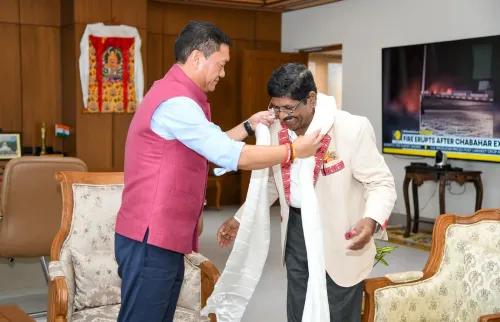
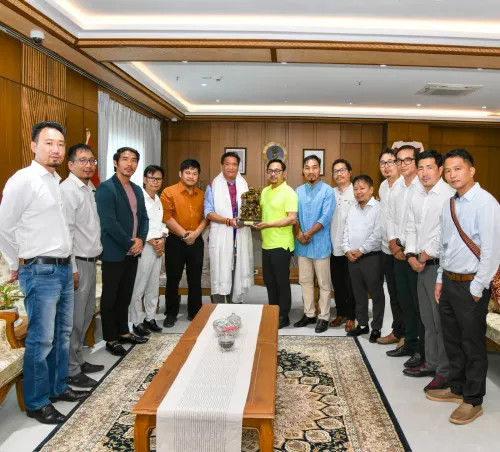
For years, an Arunachal Pradesh resident needing a kidney transplant had only one option: pack a bag and travel hundreds of kilometres to a metro hospital. Chief Minister Pema Khandu moved to change that on Thursday, 13 August 2026, announcing plans to introduce kidney transplant facilities at TRIHMS — the state's apex tertiary care institution — while simultaneously handing appointment orders to 72 newly recruited medical specialists to reinforce healthcare delivery across the state.
What the TRIHMS kidney transplant announcement means for the Northeast
The Tomo Riba Institute of Health and Medical Sciences (TRIHMS), established around 2017 as Arunachal Pradesh's first medical college, has steadily grown into the state's primary referral facility. Adding kidney transplant capability would represent a qualitative leap — moving TRIHMS from a facility that manages chronic renal disease to one that can offer definitive surgical intervention. For a state whose remote, mountainous terrain makes inter-state medical travel genuinely arduous, that distinction is not administrative. It is the difference between a patient staying close to family or making a desperate journey to Guwahati, Delhi, or Vellore. Across India's Northeast, state governments have pursued exactly this playbook: build super-specialty services at existing medical institutes rather than sending patients — and their health expenditure — out of the region. Arunachal's announcement fits that pattern squarely, and raises the stakes for neighbouring states still lagging on tertiary care.72 specialists and the staffing gap they are meant to close
The appointment orders handed over by CM Khandu cover 72 medical specialists recruited to strengthen services across the state's district and sub-district facilities. Specialist retention in remote northeastern postings has historically been a persistent challenge — doctors trained in metros often resist long-term postings in areas with limited infrastructure and connectivity. Whether these recruits are absorbed effectively into district hospitals will be the real test of the initiative's reach beyond Itanagar. The twin moves — a flagship super-specialty announcement at TRIHMS and a bulk specialist induction — signal a deliberate two-track strategy: upgrade the apex facility while simultaneously pushing specialist coverage deeper into the districts.Regulatory hurdles still ahead for transplant services
Announcing transplant intent and operationalising it are two different milestones. Kidney transplant programmes require clearances under the Transplantation of Human Organs and Tissues Act, a dedicated surgical team, an immunology and nephrology support structure, and sustained post-operative follow-up capacity. The timeline and regulatory pathway for TRIHMS to clear these requirements have not yet been disclosed. Those details will determine whether this announcement translates into patients being treated at home within months or years. The patients waiting on dialysis in Arunachal Pradesh's district towns are watching. So is every health administrator in the Northeast wondering whether TRIHMS is about to set a new regional benchmark.Point of View
Moving from institution-building to capability expansion. For CM Pema Khandu, it also carries clear political logic: reducing dependence on out-of-state referrals is a tangible, visible metric of governance that resonates with voters in a state where medical travel is a financial burden on families. The harder question is implementation — specialist retention in remote postings and the regulatory runway for transplant services will determine whether this becomes a genuine healthcare milestone or a well-intentioned announcement that stalls in paperwork. Watched against the Northeast's broader pattern of incremental tertiary care upgrades, Arunachal's ambition here is real; the execution will be the story.
NationPress
13 Aug 2026
Frequently Asked Questions
What did CM Pema Khandu announce for TRIHMS?
CM Pema Khandu announced plans to introduce kidney transplant facilities at TRIHMS, the Tomo Riba Institute of Health and Medical Sciences, which is Arunachal Pradesh's primary tertiary care hospital and medical college.
What is TRIHMS and where is it located?
TRIHMS stands for Tomo Riba Institute of Health and Medical Sciences. It is Arunachal Pradesh's first medical college and apex referral hospital, established around 2017 and located in Itanagar, the state capital.
How many medical specialists were appointed in Arunachal Pradesh?
The Chief Minister's Office confirmed that 72 newly recruited medical specialists received appointment orders from CM Pema Khandu to strengthen healthcare services across Arunachal Pradesh.
Why do Arunachal Pradesh patients currently travel outside for kidney transplants?
Arunachal Pradesh currently lacks kidney transplant facilities, so patients with end-stage renal disease must travel to hospitals in cities like Guwahati, Delhi, or Vellore, which is costly and difficult given the state's remote terrain.
When will the kidney transplant facility at TRIHMS become operational?
No specific timeline or regulatory clearance details have been publicly disclosed yet. The announcement covers the intent to introduce the facility; the operational schedule will depend on approvals under transplant regulations and infrastructure readiness.