Bastar's Daughters Walk the Ramp in Kosa Silk
Synopsis
Women from Bastar, once linked to Naxalite groups, walked a runway in Raipur wearing Kosa silk and Chhattisgarhi handloom garments on National Handloom Day. CM Vishnu Deo Sai met the women personally, framing the event as proof that skill development and sensitive rehabilitation can redirect lives from violence to dignity.
Key Takeaways
Women from Bastar formerly associated with Naxalite groups performed a ramp walk in Raipur on 13 August 2026 , wearing Kosa silk and Chhattisgarhi handloom garments.
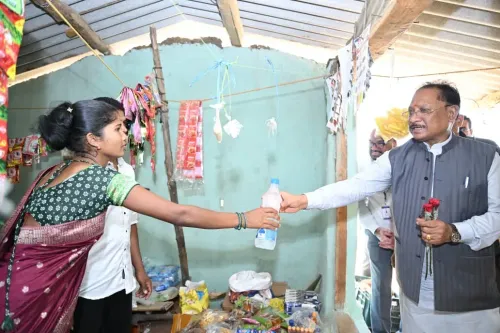
Chief Minister Vishnu Deo Sai held a personal dialogue with the participants to encourage them.
The event was held on National Handloom Day and tagged under #NaxalFreeBastar and #ViksitChhattisgarh .
Chhattisgarh's rehabilitation policy combines surrender packages with skill training, particularly in the handloom sector, for former insurgents in Bastar and Sukma .
The Sai government, in office since December 2023 , has made tribal development and a Naxal-free Bastar central to its agenda.
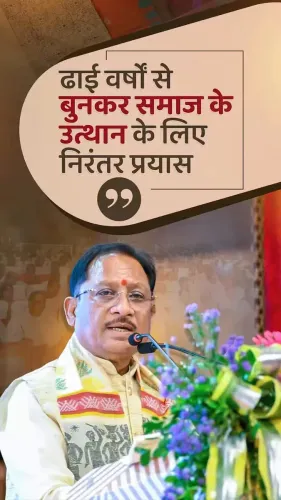
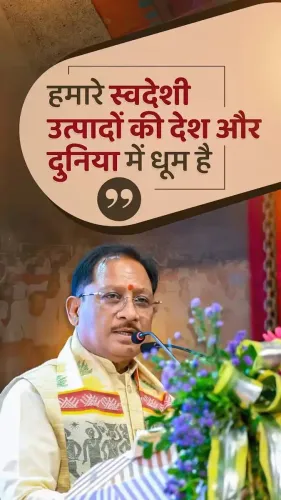
They once carried weapons through the forests of southern Chhattisgarh. On Thursday, 13 August 2026, in Raipur, the same hands draped in Kosa silk and handloom weaves walked a runway — and told a story no policy document ever could. The Chief Minister's Office of Chhattisgarh shared the moment, announcing that women from Bastar formerly associated with Naxalite groups had performed a ramp walk in traditional Chhattisgarhi handloom garments, with Chief Minister Vishnu Deo Sai present to personally encourage them.
The post, written in Hindi, captured the transformation in a single sharp contrast: 'Kabhi haathon mein bandookein theen, aaj unhi haathon mein hathkarghe ki khoobsoorti aur aatmanirbharta ka vishwas hai' — 'Once those hands held guns; today those same hands carry the beauty of the loom and the confidence of self-reliance.' CM Sai held what the office described as an 'intimate dialogue' with the women, listening to their journeys and boosting their resolve.
From Sukma's Forests to Raipur's Runway
Bastar — the sprawling southern division of Chhattisgarh spanning districts including Sukma — has been the epicentre of left-wing extremism in India for decades. Successive state governments have layered security operations with surrender-and-rehabilitation packages since the early 2000s, offering former insurgents skill training and livelihood support as a pathway back into mainstream society. The handloom sector, with its deep roots in tribal craft traditions, has emerged as one of the more sustainable anchors for that reintegration.
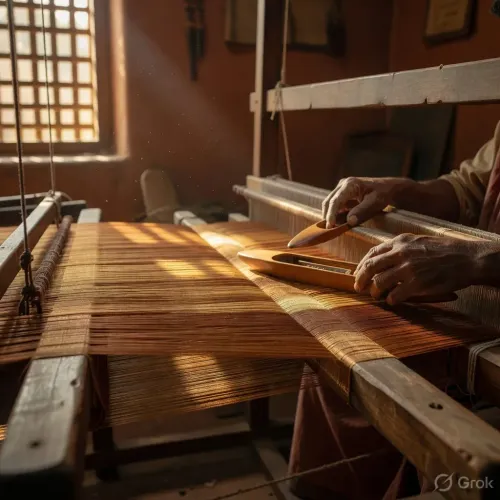
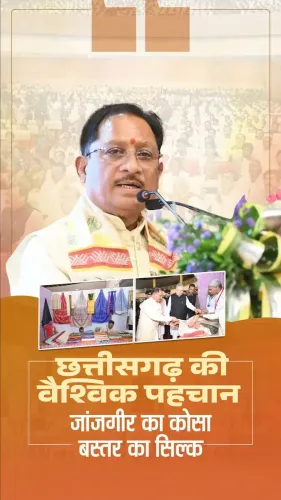
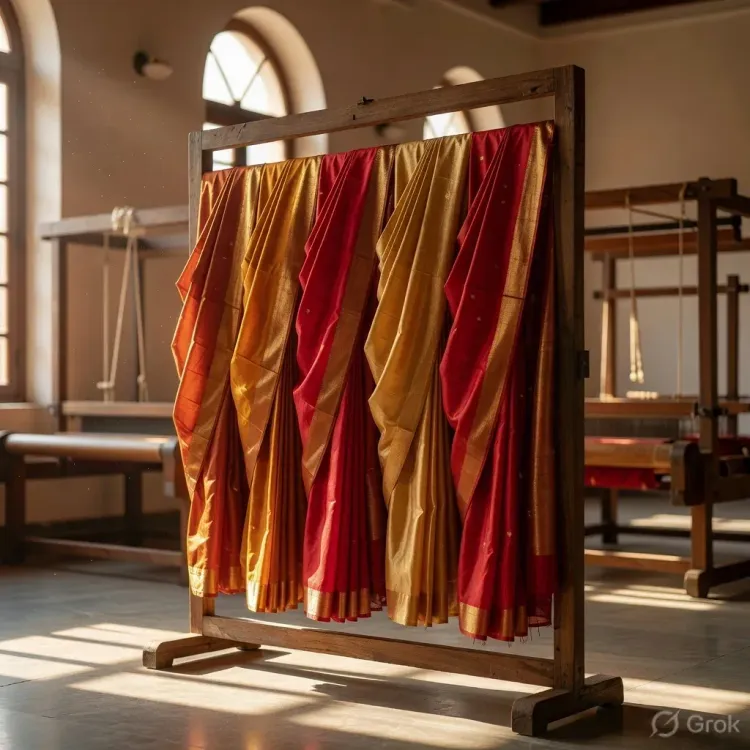
The ramp walk, staged on National Handloom Day, fused two signals into one image: the state's claim of a security turnaround in Bastar, and its push for women's economic self-reliance through weaving. Kosa silk, produced from the cocoons of the Antheraea mylitta silkworm and long associated with Chhattisgarh's tribal belt, is both a livelihood and a cultural marker — its appearance on the runway was not incidental.
Sai Government's Dual Track: Security and Livelihood
Chief Minister Vishnu Deo Sai, who took office in December 2023 after the BJP's assembly election victory, has made tribal development and the push for a Naxal-free Bastar twin pillars of his administration. The event aligns with a broader national objective of dismantling left-wing extremism through livelihood alternatives rather than enforcement alone — a strategy that gains symbolic force when its beneficiaries walk a public stage.
The CMO's post tagged the event under #NaxalFreeBastar, #ViksitChhattisgarh, and #NationalHandloomDay, signalling that Raipur intends this moment to travel — as both a governance achievement and an aspirational image of what rehabilitation can look like when it works.
The question now is whether the runway moment translates into sustained market access and income for these women. Handloom skill centres and steady buyer networks, not just ceremonies, will determine whether the story holds.
Point of View
Combining security pressure with livelihood anchors like handloom, reflects a maturing counter-insurgency doctrine that Delhi has quietly encouraged across Naxal-affected states. For the Sai government, the imagery of former insurgents in Kosa silk is politically potent: it lets the BJP claim both a security win and a welfare narrative ahead of any future electoral cycle. The real test, however, lies beyond the runway — whether skill centres and market linkages in Sukma and Bastar deliver incomes durable enough to make return to extremism genuinely unattractive.
NationPress
27 Sept 2026
Frequently Asked Questions
Who are the Bastar women who walked the ramp in Raipur?
They are women from the Bastar region of Chhattisgarh who were formerly associated with Naxalite groups and have since been rehabilitated through state skill development and livelihood programmes, including handloom training.
What is Kosa silk and why is it significant in Chhattisgarh?
Kosa silk is a variety of silk produced from the cocoons of the Antheraea mylitta silkworm, traditionally associated with Chhattisgarh's tribal belt. It is a key livelihood product and a cultural symbol of the region's handloom heritage.
What is Chhattisgarh's Naxal rehabilitation policy?
Since the early 2000s, Chhattisgarh has offered surrender-and-rehabilitation packages to Naxalites, including skill training, livelihood support, and social reintegration programmes. The handloom sector is one of the primary vocational anchors for women in these schemes.
Who is Vishnu Deo Sai and what is his stance on Bastar?
Vishnu Deo Sai is the Chief Minister of Chhattisgarh, in office since December 2023 . He has made tribal development and the goal of a Naxal-free Bastar central pillars of his administration.
What is National Handloom Day and when is it observed?
National Handloom Day is observed on 7 August each year in India to honour the handloom weaving community and promote indigenous textile traditions. The Raipur event was held in the days around this occasion.