CM Sai Pitches Kosa Silk, Bastar Weaves for Global Markets
Synopsis
Chief Minister Vishnu Deo Sai has pledged to connect Chhattisgarh's Kosa silk weavers and Bastar artisans to national and global markets, framing the push as central to an Atmanirbhar Chhattisgarh vision.
Key Takeaways
CM Vishnu Deo Sai publicly committed on 8 August 2026 to securing new markets and recognition for Chhattisgarh's weavers and artisans.
Janjgir-Champa's Kosa silk and Bastar's tribal silk were named as flagship products in the state's 'local to global' push.
The initiative aligns with the central government's Atmanirbhar Bharat Abhiyan , launched in May 2020 .
Sai's framing explicitly links artisan dignity and livelihood empowerment — not just market access — as governance goals.
Concrete outcomes to watch include state budget allocations for handloom clusters and organised buyer-seller meets for Chhattisgarh silk.
From the looms of Janjgir-Champa to the tribal workshops of Bastar, Chhattisgarh's centuries-old textile traditions are being recast as export-ready brands — and the state's chief minister wants the world to know it. Chhattisgarh Chief Minister Vishnu Deo Sai on Saturday, 8 August 2026, declared his government's commitment to opening new markets and building new identities for the state's weavers and artisans.
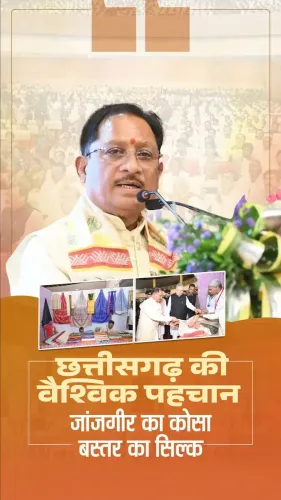
Posting in Hindi, CM Sai wrote: 'Janjgir-Champa ka Kosa ho ya Bastar ka Silk, hamari samridh virasat aaj desh-duniya ke bazaar mein Chhattisgarh ki vishisht pehchaan ban rahi hai' — 'Be it the Kosa of Janjgir-Champa or the silk of Bastar, our rich heritage is today becoming Chhattisgarh's distinct identity in domestic and global markets.' The message anchored his government's 'local to global' pitch and invoked the goal of an Atmanirbhar Chhattisgarh — a self-reliant state.
Kosa and Bastar Silk: What Makes Them Worth Watching
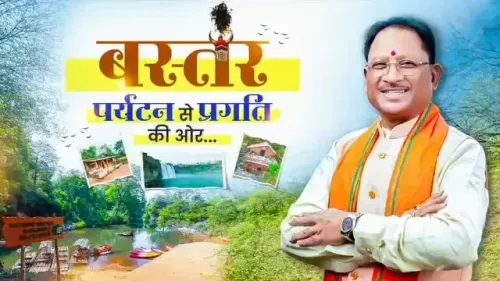
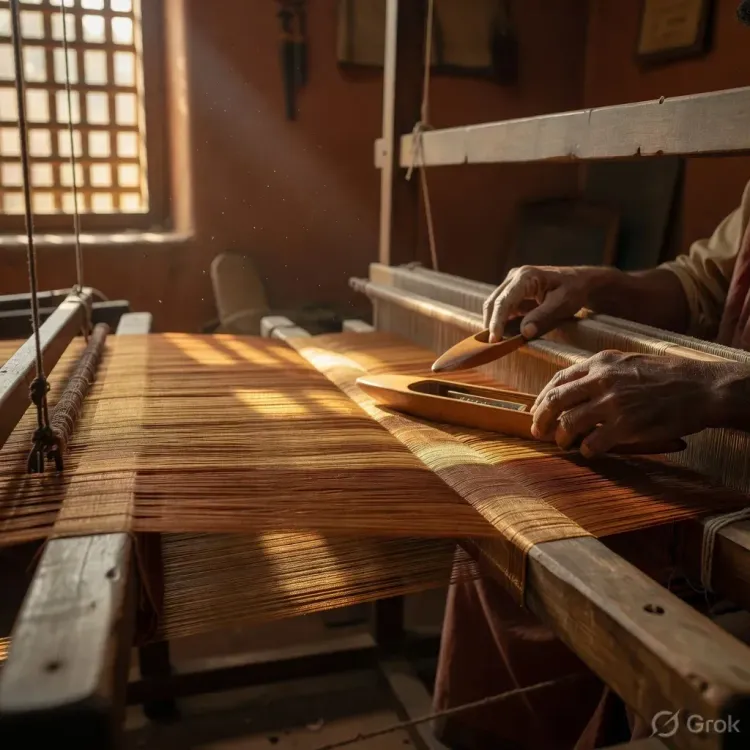
Janjgir-Champa district is the heartland of Kosa silk, a coarse-textured, lustrous fabric woven from tasar cocoons and long prized in Indian handloom markets. Bastar, the sprawling tribal region in southern Chhattisgarh, carries its own distinct silk and handloom traditions rooted in indigenous craft knowledge. Both products have struggled for decades to find consistent buyers beyond local haats and state emporiums — making the push for organised market access more than symbolic.
The broader framework CM Sai invoked aligns with the Atmanirbhar Bharat Abhiyan, the central government's self-reliance drive launched in May 2020, which earmarked support for domestic handicrafts, handlooms, and rural artisan clusters. State governments across India have since layered their own branding and procurement initiatives on top of that national scaffolding.
Weavers at the Centre — Not the Margins — of the Pitch
What stands out in Sai's framing is the explicit pairing of dignity with economics. His post spoke of 'bunakaron va karigaroon ke samman' — 'the honour of weavers and artisans' — alongside livelihood empowerment and new opportunities for traditional handloom craft. That language signals a political choice: positioning artisan welfare as a governance deliverable, not a welfare footnote.
Chhattisgarh has historically underperformed on translating craft heritage into sustained rural income. The state's handloom sector employs a significant share of its tribal and rural workforce, making market-linkage policy a direct lever on poverty metrics — particularly in districts like Bastar, where alternative livelihoods remain scarce.
The watch-point now is concrete follow-through: state budget allocations for handloom clusters, buyer-seller meets, and export promotion events that can move Chhattisgarh silk from a political talking point to a traceable trade line.
Point of View
He ties BJP governance in Chhattisgarh to tangible craft heritage rather than abstract development metrics. The 'local to global' framing mirrors a wider BJP playbook seen in Uttar Pradesh's handloom and Odisha's tribal craft promotions, suggesting coordinated state-level messaging around the Atmanirbhar Bharat umbrella. The real political test will come when budget allocations and export data either validate or undercut the narrative — artisan communities in Bastar and Janjgir-Champa have heard similar promises across successive governments. If the Sai administration can demonstrate measurable market linkages before the next election cycle, the craft-welfare pitch could become a durable vote-bank anchor in tribal and rural Chhattisgarh.
NationPress
22 Sept 2026
Frequently Asked Questions
What is Kosa silk and why is it famous in Chhattisgarh?
Kosa silk is a coarse, lustrous fabric woven from tasar cocoons, produced primarily in Janjgir-Champa district of Chhattisgarh. It is one of the state's most recognised traditional handloom products and has been sought after in Indian craft markets for generations.
What did CM Vishnu Deo Sai say about weavers and artisans?
CM Vishnu Deo Sai stated that his government is committed to the honour and livelihood empowerment of weavers and artisans, and to winning new recognition and opportunities for traditional handloom craft — framing it as a 'local to global' mission for an Atmanirbhar Chhattisgarh.
What is Atmanirbhar Chhattisgarh?
Atmanirbhar Chhattisgarh is the state-level adaptation of the central government's Atmanirbhar Bharat Abhiyan (launched May 2020 ), aimed at promoting self-reliance through local products, artisans, and domestic manufacturing.
What handloom traditions does Bastar in Chhattisgarh have?
Bastar in southern Chhattisgarh has deep-rooted tribal silk and handloom traditions, with indigenous craft knowledge passed down through generations. The region's textiles are distinct in design and technique from mainstream Indian handloom products.
How is Chhattisgarh promoting its silk products in global markets?
The Chhattisgarh government under CM Sai has signalled a push to link Kosa silk and Bastar handlooms to national and international buyers. Key mechanisms to watch include state budget allocations for handloom clusters and buyer-seller meets, though specific post-2023 scheme outcomes are yet to be publicly verified.