CM Sai Meets Former Naxal-Affected Women in Bijapur During Sushasan Tihar
Synopsis
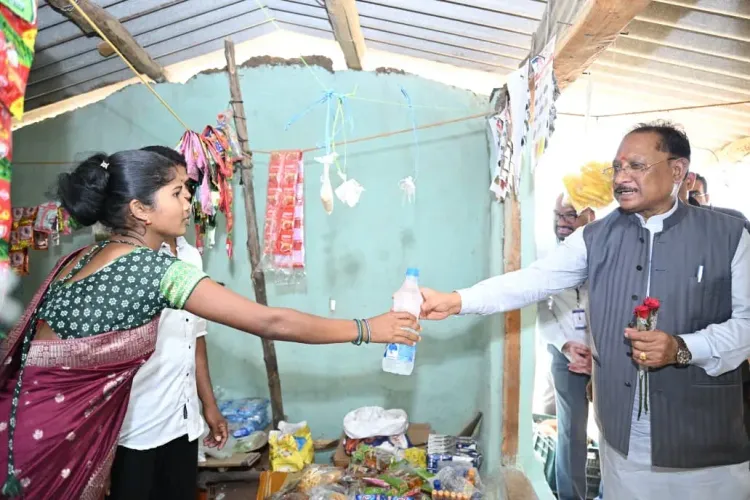
Chief Minister Vishnu Deo Sai visited Kondapalli village in Bijapur district on 2 June 2026 during Sushasan Tihar 2026, meeting two women formerly affected by Naxal conflict who now run a grocery shop — a moment the Chhattisgarh CMO presented as emblematic of Bastar's transformation under the current government.
Key Takeaways
CM Vishnu Deo Sai visited village Kondapalli, Bijapur district on 2 June 2026 as part of Sushasan Tihar 2026 .
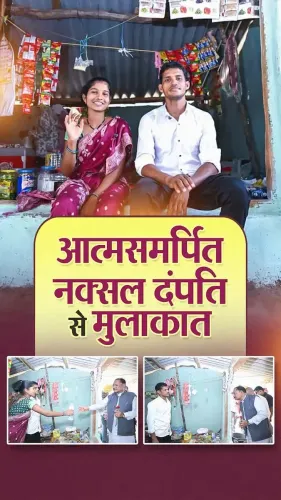
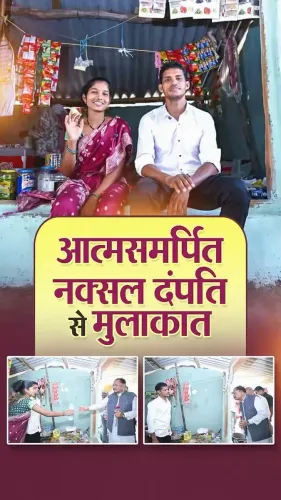
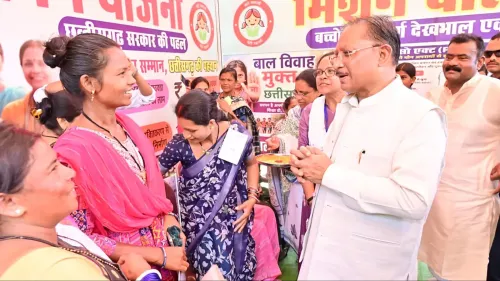
He met Masa Tamo and Jaymoti , two women whose lives were once disrupted by Naxal conflict and who now run a grocery shop.
Bijapur is among the most conflict-affected districts in Bastar division , a historically core zone of left-wing extremism in Chhattisgarh.
The Chhattisgarh government has focused on rehabilitation and self-employment schemes for women in former Naxal-affected villages since 2019 , intensified after CM Sai took office in December 2023 .
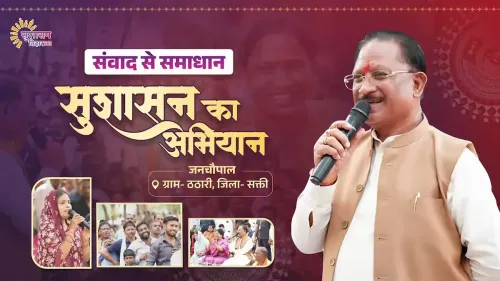
Sushasan Tihar is an annual governance outreach programme combining public hearings, scheme delivery and direct citizen engagement in rural Chhattisgarh.
Reduced Naxal incidents in Bastar since 2020 have enabled expanded state welfare and micro-enterprise outreach in the region.
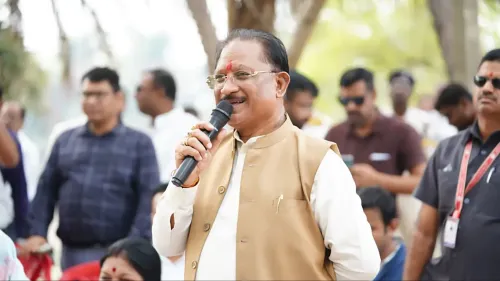
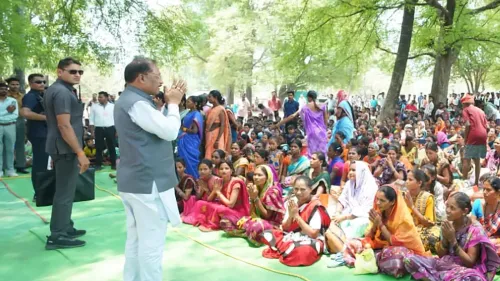
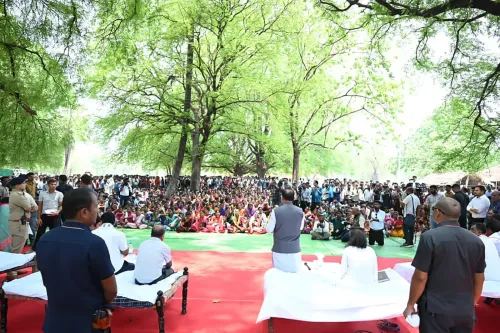
Chief Minister Vishnu Deo Sai visited village Kondapalli, Bijapur district, on Tuesday, 2 June 2026, as part of the ongoing Sushasan Tihar (Good Governance Festival) outreach, where he met two women — Masa Tamo and Jaymoti — at their grocery shop, the Chief Minister's Office of Chhattisgarh announced.
The CMO post, shared in Hindi, noted that the two women's lives were once caught in Naxal conflict, and today stand as a 'new example of hard work, dignity and self-reliance.' The post described their transformation as the 'new identity of a changing Bastar under good governance.'
Context
Kondapalli village falls within Bijapur district, one of the most conflict-affected districts in Bastar division, southern Chhattisgarh. For decades, Bastar has been a core zone of left-wing extremism, with communities bearing the brunt of violence between security forces and Naxal groups. The region has witnessed a gradual reduction in insurgency-related incidents since 2020, creating space for state welfare outreach.
The visit by CM Sai to a small grocery shop run by women with a background linked to Naxal conflict carries symbolic weight — the state government has consistently sought to highlight individual stories of rehabilitation and economic reintegration as markers of its governance record in the south Chhattisgarh belt.
Policy Backdrop
The Chhattisgarh government's post-2023 agenda under Chief Minister Vishnu Deo Sai, who took office in December 2023, has placed particular emphasis on livelihood and self-employment schemes for communities in former Naxal-affected villages of Bijapur, Sukma and neighbouring districts. These build on earlier surrender and reintegration policies initiated since 2019, which targeted women and families in insurgency-hit areas.
Sushasan Tihar — literally 'Good Governance Festival' — is an annual programme by the Chhattisgarh government that combines public hearings, direct scheme delivery, and field visits by officials and elected representatives to rural areas. The 2026 edition has seen senior leadership, including the Chief Minister, travelling to remote districts to engage directly with beneficiaries.
Stakeholders and Impact
Women in former Naxal-affected villages represent one of the most vulnerable groups in Bastar division, having faced displacement, loss of livelihoods, and social disruption over years of conflict. Micro-enterprise support — such as the grocery shop run by Masa Tamo and Jaymoti — is part of a broader state push to anchor economic activity at the village level and reduce dependence on conflict-linked networks.
Residents of Bijapur and surrounding districts stand to benefit from the increased administrative attention that events like Sushasan Tihar bring, including on-the-spot resolution of grievances and accelerated delivery of central and state welfare schemes. The broader Bastar region, home to significant tribal populations, remains a priority area for both security and development policy.
What's Next
The Sushasan Tihar 2026 programme is expected to continue across other districts, with further field visits and scheme announcements anticipated for Bijapur and neighbouring areas. The government's emphasis on documenting and publicising individual rehabilitation stories suggests that livelihood outcomes in former conflict zones will remain a central plank of its communication ahead of future political cycles. Whether the outreach translates into measurable improvements in employment and security indicators across Bastar will be closely watched by policy observers and civil society groups working in the region.
Point of View
A strategy that has gained traction since security forces reported reduced Naxal activity across south Chhattisgarh. For the Sai government, Sushasan Tihar 2026 serves a dual purpose: it functions as an administrative accountability exercise and as a political communications vehicle ahead of future electoral cycles. The real test, however, lies in whether sustained livelihood infrastructure follows such high-visibility visits in districts like Bijapur, where the gap between symbolic outreach and structural change remains a live question.
NationPress
25 Sept 2026
Frequently Asked Questions
What is Sushasan Tihar in Chhattisgarh?
Sushasan Tihar, meaning 'Good Governance Festival', is an annual outreach programme by the Chhattisgarh government during which officials and senior leaders visit rural areas to deliver welfare schemes, hold public hearings and engage directly with citizens.
Who is CM Vishnu Deo Sai?
Vishnu Deo Sai is the Chief Minister of Chhattisgarh, heading the BJP government since December 2023. He has focused on development and rehabilitation in former Naxal-affected regions, particularly in Bastar division.
Why is Bijapur district significant in Chhattisgarh?
Bijapur is a district in Bastar division, southern Chhattisgarh, that has been among the most affected by left-wing extremist violence. It is a priority area for the state government's security, rehabilitation and livelihood programmes.
What is the Chhattisgarh government doing for women in Naxal-affected areas?
The Chhattisgarh government has run surrender, reintegration and self-employment schemes for women in insurgency-affected villages of Bijapur, Sukma and neighbouring districts since 2019, with intensified focus after 2023 on micro-enterprise support.
What happened at Kondapalli village during Sushasan Tihar 2026?
Chief Minister Vishnu Deo Sai visited Kondapalli village in Bijapur district on 2 June 2026 and met Masa Tamo and Jaymoti, two women formerly affected by Naxal conflict who now operate a grocery shop, highlighting their journey to self-reliance.