CM Vishnu Deo Sai Visits Ex-Naxalite's Shop in Bijapur Village
Synopsis
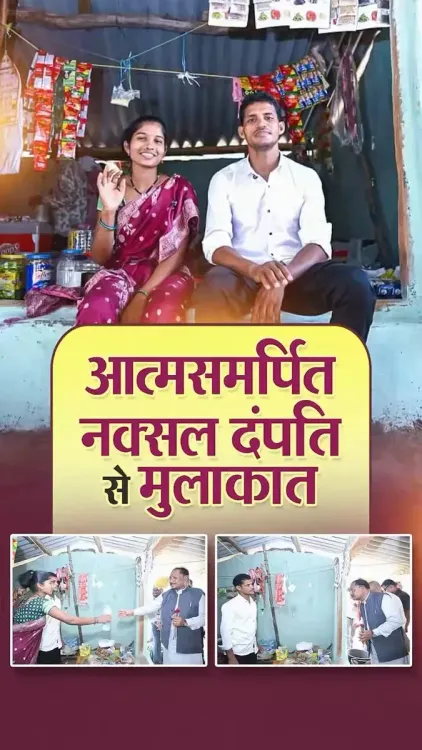
Chhattisgarh CM Vishnu Deo Sai visited rehabilitated former Naxalite Masa Tamo's shop in Kondapalli village, Bijapur, during Sushasan Tihar 2026, calling the encounter a symbol of trust and mainstream reintegration under the state's rehabilitation policy for ex-insurgents in the Bastar region.
Key Takeaways
CM Vishnu Deo Sai visited a rehabilitated former Naxalite's shop in Kondapalli village, Bijapur district.
The shop owner was identified in the CM's post as Masa Tamo.
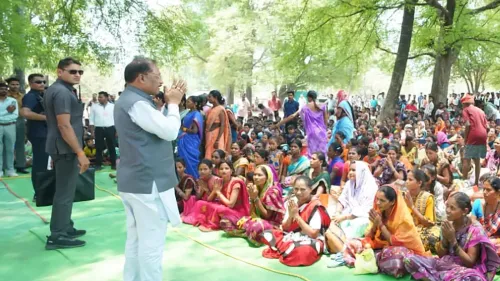
The visit was part of the Sushasan Tihar 2026 governance outreach drive.
Sai framed the meeting as a symbol of trust, opportunity and reintegration into the mainstream.
Chhattisgarh's rehabilitation policy offers financial aid, housing and livelihood support to surrendered cadres.
Bijapur lies in the Bastar region, a long-standing focus of anti-Naxal operations and development outreach.
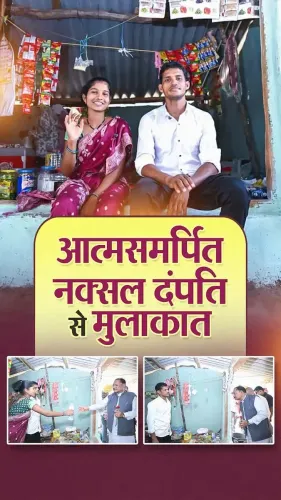
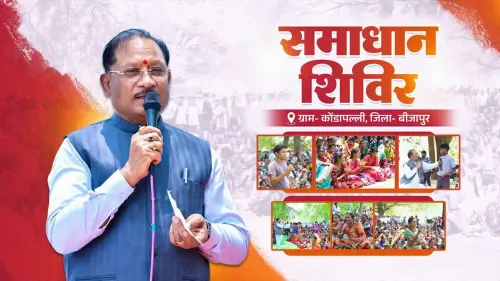
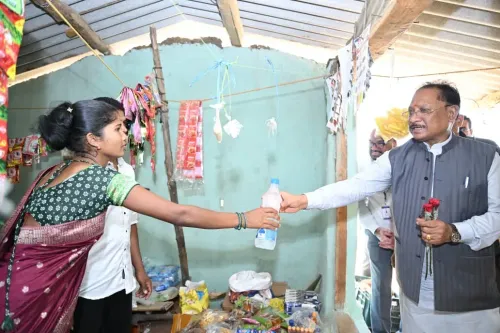
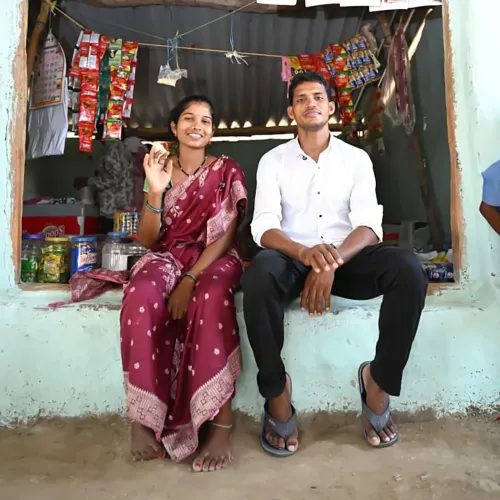
Chhattisgarh Chief Minister Vishnu Deo Sai visited the shop of a rehabilitated former Naxalite in Kondapalli village of Bijapur district on 2 June 2026, framing the encounter as proof that the state's rehabilitation policy is helping ex-insurgents rebuild dignified lives. The visit was part of the ongoing Sushasan Tihar 2026, a state-wide governance outreach drive. Sai met the shop owner, identified in his post as Masa Tamo, purchased items from him and wished him well for the future.
In his post on X, the Chief Minister wrote that 'our government's rehabilitation policy is working to give former Naxalites a dignified life and a new identity', describing the meeting as a symbol of 'trust, opportunity and a fresh start of joining the mainstream'. The original Hindi post used the phrase 'मुख्यधारा से जुड़ने की नई शुरुआत' (a new beginning of joining the mainstream) to characterise the transition.
Context
Bijapur lies in the Bastar region of southern Chhattisgarh, one of the districts most affected by Left-Wing Extremism over the past two decades. Kondapalli and surrounding villages have seen a sustained mix of security operations and welfare outreach as the state government pushes to weaken Maoist influence in tribal heartlands.
The Chief Minister's stop at an ex-cadre's shop is a visual element of this strategy, signalling to other surrendered individuals and local residents that reintegration into civilian livelihoods is publicly endorsed at the top of the state government.
Policy backdrop
Chhattisgarh has run district-level surrender and rehabilitation programmes since the mid-2000s, offering surrendered cadres financial aid, housing support and avenues into trades and small enterprise. These efforts sit alongside the Union Ministry of Home Affairs' Surrender-cum-Rehabilitation Scheme for Left Wing Extremists, introduced in 2009, which provides standardised incentives and support packages.
Sai, who has led the state since December 2023, has repeatedly highlighted rehabilitation as a complement to ongoing anti-Maoist operations in the Bastar belt. The Sushasan Tihar outreach is being used by his administration to package governance delivery and grievance redressal under a single, recurring brand.
Stakeholders and impact
The most immediate stakeholders are former insurgents who have laid down arms and now seek stable livelihoods, along with the tribal communities of Bijapur and the wider Bastar division. For surrendered cadres, public engagement by the Chief Minister can reduce social stigma and improve access to state benefits.
For the local population, such visits are intended to demonstrate that the path out of insurgency leads to tangible support — a shop, a customer base, official recognition. Security agencies operating in the region have long argued that visible success stories are critical to discouraging fresh recruitment by Maoist groups.
What's next
Further Sushasan Tihar 2026 events are expected across other Left-Wing Extremism-affected districts in the coming weeks, with the state government likely to showcase more reintegration cases as part of the programme. Any expansion of rehabilitation incentives in upcoming state budget announcements will be watched closely by stakeholders working on counter-insurgency and tribal development.
For now, the Chief Minister's brief stop at a small village shop has been positioned as a marker of the policy arc Chhattisgarh is pursuing in Bastar — one that pairs hard security measures with public, person-to-person signals of mainstream acceptance.
Point of View
Where a Chief Minister's purchase at a former cadre's shop carries as much signalling weight as a security operation. It fits the broader arc of pairing kinetic action in Bastar with publicly staged proof of reintegration. By branding the outreach as Sushasan Tihar, the Sai administration is also consolidating governance delivery into a recurring political event. The real test will be whether rehabilitation incentives scale beyond individual showcase cases into a measurable drop in recruitment.
NationPress
25 Sept 2026
Frequently Asked Questions
What is Chhattisgarh's Naxalite rehabilitation policy?
It is a state programme offering surrendered Naxalites financial aid, housing support and livelihood options to help them reintegrate into mainstream society. Chhattisgarh has run such district-level schemes since the mid-2000s, complementing the Union government's 2009 Surrender-cum-Rehabilitation Scheme for Left Wing Extremists.
What is Sushasan Tihar 2026?
Sushasan Tihar 2026 is a recurring public outreach programme run by the Chhattisgarh government to highlight governance initiatives and address citizen grievances. The 2026 edition is being held across districts, with the Chief Minister personally visiting beneficiaries and project sites.
Where is Kondapalli village located?
Kondapalli is a village in Bijapur district in southern Chhattisgarh, part of the Bastar region. The area has long been affected by Left-Wing Extremism and is a focus of both security operations and rehabilitation outreach.
Why does the Chhattisgarh CM visit ex-Naxalites publicly?
Such visits are intended to publicly endorse reintegration and reduce stigma around surrender. They are part of a wider strategy combining security operations with visible development and rehabilitation outreach to weaken Maoist recruitment in the Bastar belt.