Chhattisgarh CMO highlights surrendered Naxalite's new life in Bijapur
Synopsis
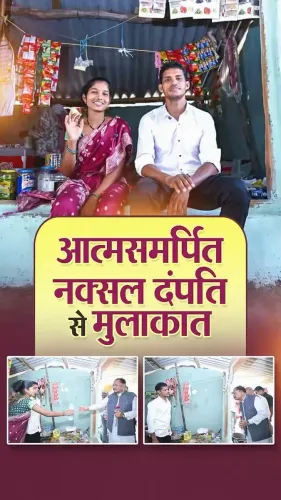
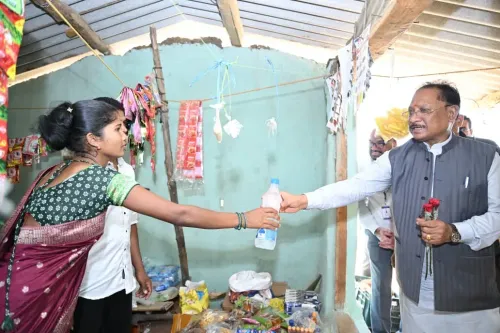
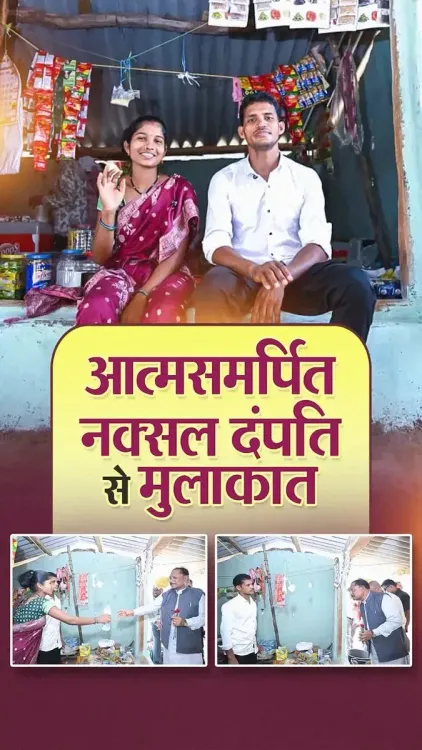
The Chhattisgarh CMO highlighted surrendered Naxalite Masa Tamo, who now runs a shop in Bijapur's Kondapalli village, as an example of the state's rehabilitation policy. Chief Minister Vishnu Deo Sai met him during Sushasan Tihar and wished him a better future, framing the case as a sign of mainstream reintegration.
Key Takeaways
CM Vishnu Deo Sai met surrendered Naxalite Masa Tamo in Kondapalli village, Bijapur during Sushasan Tihar.
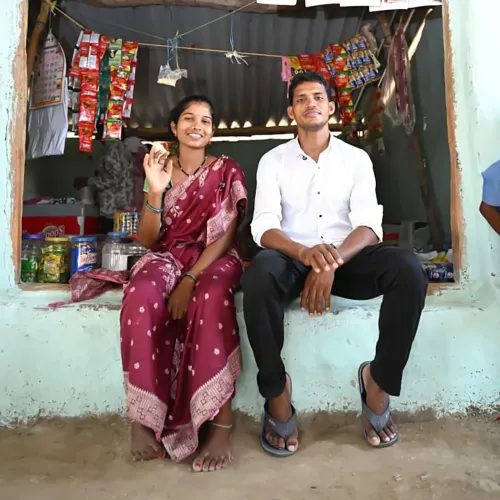
Tamo now runs a shop and supports his family, cited as an example of the state's Surrender and Rehabilitation Policy.
The CMO framed the case as a symbol of trust, opportunity and mainstream reintegration.
Bijapur lies in the Bastar division, a long-standing Left Wing Extremism stronghold.
Chhattisgarh pairs security operations with rehabilitation incentives under MHA-aligned guidelines.
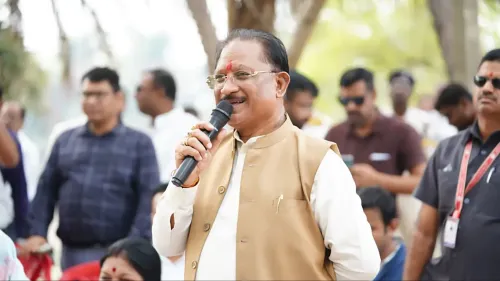
The Chief Minister's Office of Chhattisgarh on 3 June 2026 spotlighted the case of Masa Tamo, a surrendered Naxalite now running a shop in Kondapalli village of Bijapur district, as an example of the state's Surrender and Rehabilitation Policy. The post said Chief Minister Vishnu Deo Sai met Tamo during the ongoing Sushasan Tihar outreach and wished him a better future.
Context
In its post, the CMO stated that the 'good governance government's surrender and rehabilitation policy has given surrendered Naxalites a dignified life and a new identity'. It described Tamo, who now runs a shop and supports his family in Kondapalli, as an illustration of that shift.
The post added that the meeting took place during Sushasan Tihar in Bijapur district, where the Chief Minister extended his good wishes. The CMO framed the moment as a symbol of 'vishwas, avsar aur mukhyadhara se judne ki nayi shuruaat' (trust, opportunity and a new beginning of joining the mainstream).
Policy backdrop
Chhattisgarh has operated successive iterations of a surrender-cum-rehabilitation policy for Left Wing Extremism cadres since the mid-2000s, periodically revised in line with Ministry of Home Affairs guidelines. The framework typically combines financial assistance, skill training and livelihood support aimed at reintegrating former cadres into civilian life.
Bijapur, part of the Bastar division in southern Chhattisgarh, has long been identified as a core area of Left Wing Extremism activity within the so-called Red Corridor. Successive state governments have paired security operations there with development and rehabilitation measures to reduce insurgent recruitment.
Stakeholders and impact
The primary stakeholders highlighted in the post are surrendered Naxalites and tribal residents of south Chhattisgarh, for whom small enterprise ownership represents a tangible alternative to armed cadre life. By foregrounding an individual rehabilitation story, the CMO is positioning the policy as a personalised, outcome-led intervention rather than a purely administrative scheme.
Sushasan Tihar, the statewide outreach programme launched by the Sai government, has been used as a vehicle for citizen engagement, grievance redressal and direct promotion of welfare schemes. Field visits by the Chief Minister to remote villages such as Kondapalli are central to that template, bringing senior leadership into districts that have historically had limited interaction with the state machinery.
For the BJP-led government, which assumed office in December 2023, the messaging dovetails with its broader narrative of combining a firm security posture in Bastar with visible development dividends. The choice of a surrendered cadre's shop as the showcase venue underscores the political weight placed on rehabilitation as a counter-insurgency tool.
What's next
Further announcements under Sushasan Tihar 2026 are likely to feature additional district-level camps and rehabilitation case studies from Bastar's interior blocks. Observers will watch for updated incentives or expanded skill-training components for surrendered cadres in the next state budget or assembly session.
The longer-term test will be whether individual success stories such as Tamo's translate into sustained reductions in cadre strength and improved economic indicators across Bijapur and neighbouring districts, where the security-and-development model continues to be the state's central approach to ending the insurgency.
Point of View
The CMO is humanising a policy that has historically been measured in security metrics. The choice of Bijapur, one of the most contested districts in the Red Corridor, signals confidence in the state's combined security-development posture. The real test will lie in scale and durability, not in showcase visits.
NationPress
26 Sept 2026
Frequently Asked Questions
What is Chhattisgarh's surrender and rehabilitation policy?
It is a state government framework that offers financial assistance, skill training and livelihood support to surrendered Naxalites to help them reintegrate into mainstream society. Chhattisgarh has run versions of the policy since the mid-2000s, periodically updated in line with Ministry of Home Affairs guidelines.
Who is Masa Tamo from Bijapur's Kondapalli village?
Masa Tamo is a surrendered Naxalite who now runs a shop in Kondapalli village in Bijapur district, supporting his family. The Chhattisgarh CMO has cited him as an example of successful rehabilitation under the state policy.
What is Sushasan Tihar 2026?
Sushasan Tihar is a statewide outreach programme run by the Chhattisgarh government for citizen engagement, grievance redressal and promotion of welfare schemes. The 2026 edition includes district-level visits by Chief Minister Vishnu Deo Sai across regions including Bastar.
Why is Bijapur district significant in Naxal affairs?
Bijapur, in southern Chhattisgarh's Bastar division, has long been identified as a core area of Left Wing Extremism activity within the Red Corridor. It has been a key focus of both security operations and rehabilitation efforts.
When did Vishnu Deo Sai become Chief Minister of Chhattisgarh?
Vishnu Deo Sai took charge as Chief Minister of Chhattisgarh in December 2023, leading the BJP government in the state with a focus on development in Naxal-affected regions.