CM Sai Highlights Surrendered Maoist Couple's New Life in Bastar
Synopsis
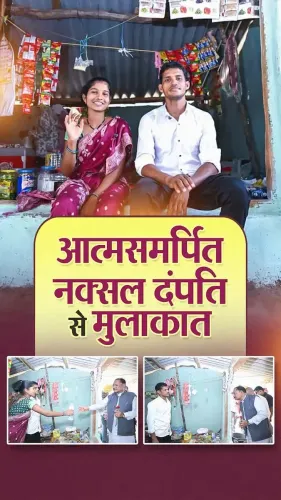
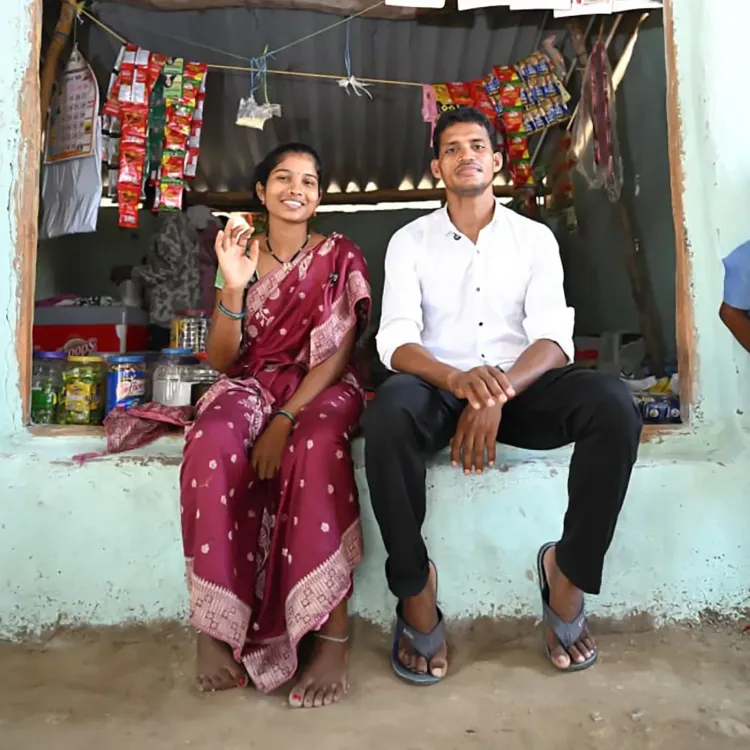
Chhattisgarh CM Vishnu Deo Sai, during Sushasan Tihar 2026, spotlighted surrendered Maoist couple Masa Tamo and Jaymoti from Bijapur's Kondapalli, who rebuilt their lives through rehabilitation, skill training, and a kirana shop — a symbol of Bastar's shifting story from conflict to self-reliance.
Key Takeaways
Chhattisgarh CM Vishnu Deo Sai shared the rehabilitation story of surrendered Maoist couple Masa Tamo and Jaymoti from Kondapalli, Bijapur district on 2 June 2026 .
The couple now run a kirana (grocery) shop and credit a government rehabilitation centre and skill training programmes for turning their lives around.
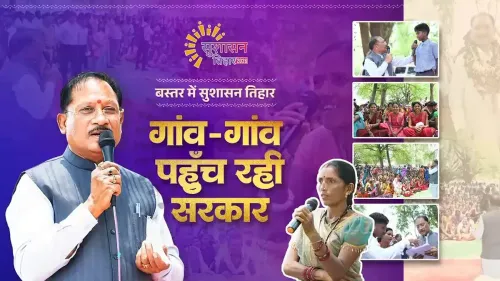
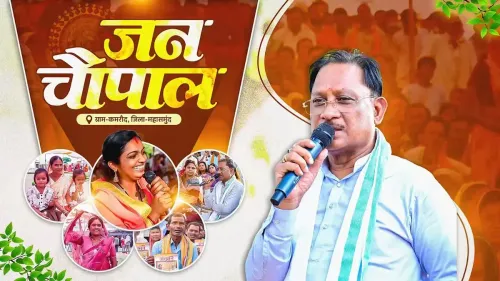
The post was shared during Sushasan Tihar 2026 , a state-level governance outreach programme highlighting scheme implementation across Chhattisgarh.
Bijapur is part of the Bastar division , one of India's most historically conflict-affected Left-Wing Extremism zones.
Chhattisgarh's surrender-and-rehabilitation policy, in place since the mid-2000s, combines financial aid, skill training and housing support for former cadres.
The state is expected to showcase more such stories from Bastar as Sushasan Tihar 2026 events continue across the division.
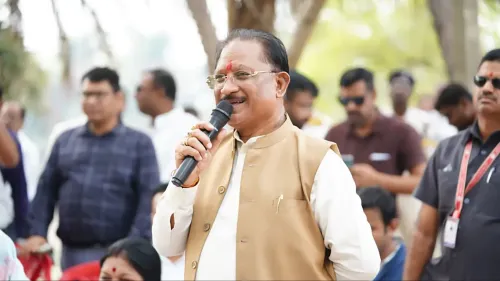
Chhattisgarh Chief Minister Vishnu Deo Sai on Tuesday, 2 June 2026, shared the story of a surrendered Maoist couple from Kondapalli, Bijapur district, who now run a kirana shop and have rebuilt their lives through government rehabilitation support — posting the account during the ongoing Sushasan Tihar 2026 governance outreach programme.
Context
In his post, CM Sai described what he called a 'small shop, big transformation' story. 'जहां कभी बंदूक भविष्य तय करती थी, वहां आज मेहनत, स्वाभिमान और सपने नई राह बना रहे हैं' ['Where once a gun decided the future, today hard work, self-respect and dreams are forging a new path'], he wrote. The post is headlined by the phrase 'सम्मान, स्वावलंबन और नई उड़ान' — 'Dignity, self-reliance and a new flight.'
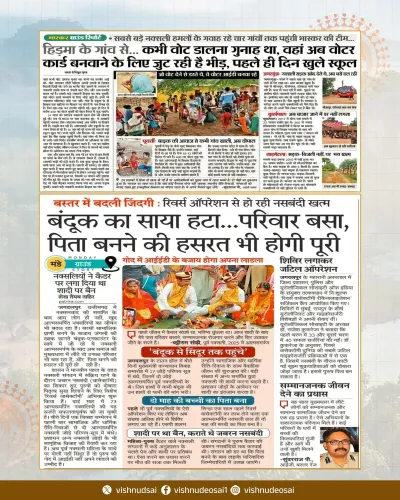
The couple at the centre of the story, Masa Tamo and his wife Jaymoti, are described as having surrendered their armed past and subsequently accessed a rehabilitation centre that the Chief Minister says 'brought a new ray of hope into their lives.' They told officials that skill training and linkage to government schemes gave them the confidence to run a grocery business and plan a better future for their family.
Policy Backdrop
Chhattisgarh has maintained formal Maoist surrender-and-rehabilitation policies since the mid-2000s, offering surrendered cadres a package that typically includes financial assistance, skill training, housing support and integration into mainstream welfare schemes. Bijapur district, located in the Bastar division, has historically been one of the most conflict-affected areas in the country's Left-Wing Extremism (LWE) belt.
Successive state governments, across party lines, have combined security operations with livelihood programmes to encourage voluntary surrenders. The shift toward publicising individual rehabilitation success stories — rather than only security metrics — reflects a broader strategic pivot: demonstrating that economic opportunity exists for those who lay down arms. CM Sai's post fits squarely within this communication template, amplified through Sushasan Tihar 2026, a state-level outreach initiative that documents on-ground implementation of government schemes.
Stakeholders and Impact
The primary beneficiaries of Chhattisgarh's rehabilitation framework are surrendered Maoist cadres and their families, as well as tribal households in the Bastar region who live in areas historically under LWE influence. For communities in districts such as Bijapur, Sukma and Dantewada, access to skill training and self-employment schemes can be transformative given the limited formal employment base.
The story of Masa Tamo and Jaymoti is being positioned by the state government as proof-of-concept: that rehabilitation, when paired with scheme delivery and social trust, can redirect lives away from armed conflict. Security analysts and civil society groups working in Bastar have long argued that durable peace in LWE districts requires exactly this kind of economic integration alongside law-enforcement action.
What's Next
Sushasan Tihar 2026 events are expected to continue across other districts of the Bastar division, with the state likely to surface additional rehabilitation and scheme-delivery stories as the programme progresses. The broader question is whether the administration will announce enhanced packages for surrendered cadres or expand skill-training infrastructure in LWE-affected blocks. Observers will also watch whether the visibility given to cases like that of Masa Tamo and Jaymoti translates into measurable increases in voluntary surrenders across the region.
Point of View
The messaging targets both domestic audiences in tribal districts and a national audience that associates Bastar primarily with conflict. The timing within Sushasan Tihar 2026 suggests a deliberate effort to reframe the Bastar narrative ahead of what could be a politically significant period for the BJP government in the state. The broader arc here is a gradual but consistent shift: from measuring LWE policy success in encounter tallies to measuring it in livelihood outcomes.
NationPress
18 Oct 2026
Frequently Asked Questions
What is Sushasan Tihar 2026 in Chhattisgarh?
Sushasan Tihar 2026 is a state-level governance outreach programme run by the Chhattisgarh government to showcase on-ground implementation of welfare schemes and document citizen success stories across districts, including in the Bastar division.
Who are Masa Tamo and Jaymoti?
Masa Tamo and Jaymoti are a couple from Kondapalli in Bijapur district, Chhattisgarh, who surrendered their Maoist past and subsequently rebuilt their lives through a government rehabilitation centre, skill training, and by running a kirana shop.
What is Chhattisgarh's Maoist surrender and rehabilitation policy?
Chhattisgarh has maintained a formal surrender-and-rehabilitation policy for Maoist cadres since the mid-2000s, offering financial incentives, skill training, housing support, and linkage to mainstream government welfare schemes to encourage voluntary surrenders.
Why is Bijapur district significant in the context of Left-Wing Extremism?
Bijapur is part of the Bastar division in Chhattisgarh and has historically been one of the most conflict-affected districts in India's LWE belt, making rehabilitation and development initiatives there especially significant for state and national security policy.
What did CM Vishnu Deo Sai say about Bastar's transformation?
CM Sai wrote that 'where once a gun decided the future, today hard work, self-respect and dreams are forging a new path,' framing the couple's story as evidence that development opportunities, government support, and social trust can fundamentally change lives in conflict zones.