CM Pema Khandu Salutes Heroes of 1962 Battle of Nuranang
Synopsis
Arunachal Pradesh CM Pema Khandu honoured the soldiers of the 1962 Battle of Nuranang on Nuranang Day, welcoming the Indian Army's launch of ShauryaBhoomi — a digital webpage and QR code — alongside a Vijayanta Tank display in Jang, Tawang district.
Key Takeaways
Nuranang Day 2026 was organised by the Indian Army in Jang, Tawang district, Arunachal Pradesh on 18 November 2026 .
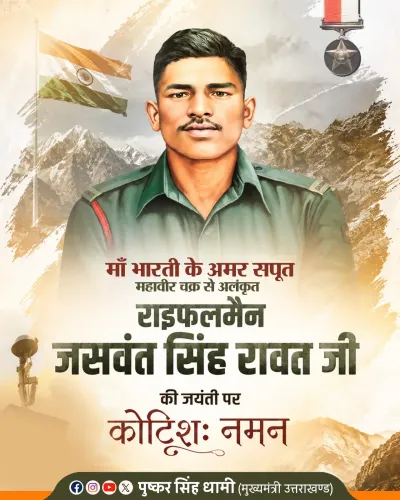
CM Pema Khandu saluted Rifleman Jaswant Singh Rawat and the soldiers of the 1962 Battle of Nuranang .
ShauryaBhoomi — a dedicated digital webpage and QR code on the Battle of Nuranang — was inaugurated at the event.
A Vijayanta Tank was also unveiled as part of the commemorative display.
Rifleman Jaswant Singh Rawat of the Garhwal Rifles was posthumously awarded the Maha Vir Chakra for his actions during the Sino-Indian War of November 1962 .
The digital initiative is part of a broader effort to preserve and make accessible India's 1962 border war heritage in the Northeast.
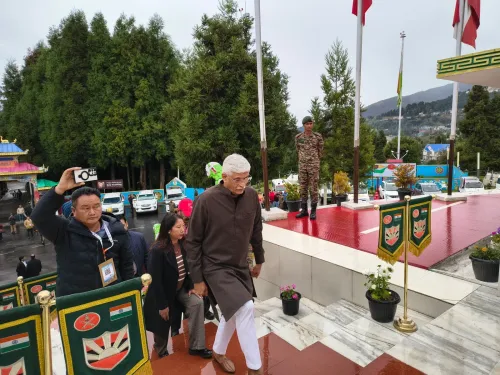
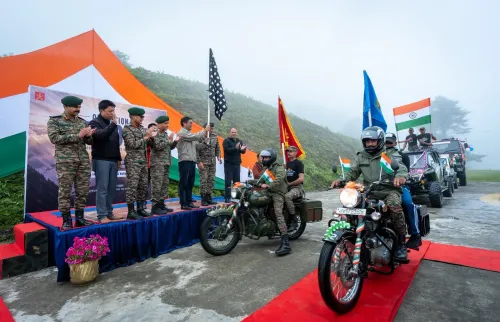
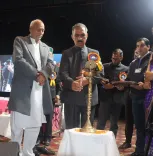
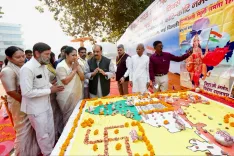
Sixty-four years after Rifleman Jaswant Singh Rawat and his comrades held the line at Nuranang, Arunachal Pradesh Chief Minister Pema Khandu paid tribute to those soldiers on Wednesday, 18 November 2026 — as the Indian Army marked #NuranangDay with a commemoration that now carries a digital heartbeat.
A battle site gets a digital monument
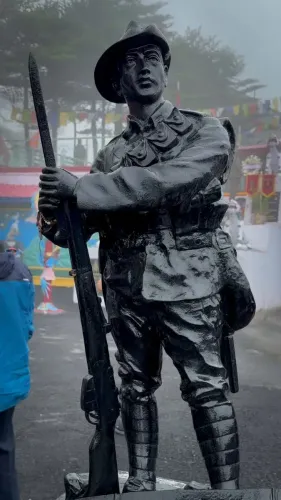
The centrepiece of this year's observance was the inauguration of #ShauryaBhoomi — a dedicated digital webpage and QR code anchored to the Battle of Nuranang — alongside the display of a Vijayanta Tank, the workhorse of the Indian Army's armoured corps in that era. Together, these additions layer a new, accessible dimension onto the physical memorials that have stood in Jang, Tawang district, since the 1960s. A visitor today can scan a code on-site and step straight into the documented history of that November engagement.
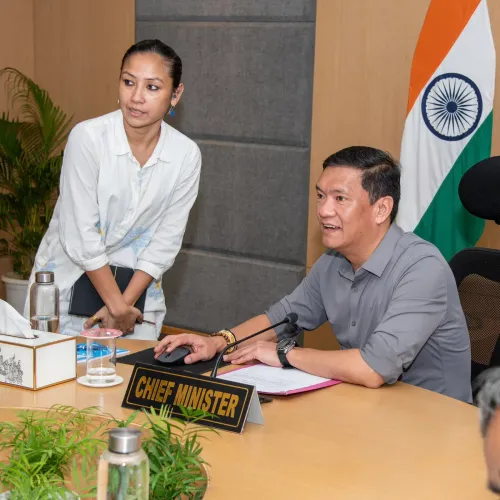
CM Khandu called the initiatives 'commendable,' noting they 'will help preserve this historic chapter of our nation's military history' and make it accessible to visitors while inspiring younger generations 'with stories of courage, patriotism and sacrifice.'
Jaswant Singh Rawat — the soldier the valley remembers
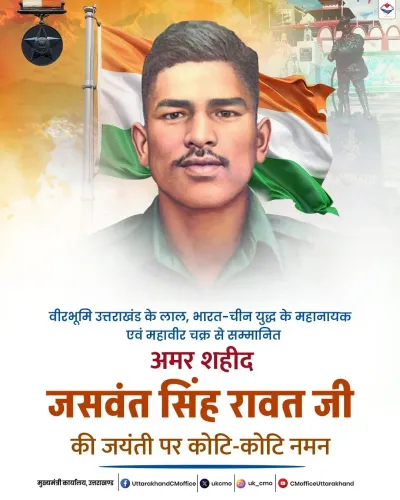
At the heart of the commemoration is Rifleman Jaswant Singh Rawat of the Garhwal Rifles, posthumously awarded the Maha Vir Chakra for his extraordinary stand during the Sino-Indian War of November 1962. The Battle of Nuranang unfolded in the Tawang sector — terrain that has remained strategically and symbolically significant in India's northeastern border consciousness ever since. Rawat's story has been kept alive through physical memorials, annual Army events, and local civil administration efforts in Jang — and now, through digital infrastructure.
Army, civil administration, and Jang's ex-servicemen community
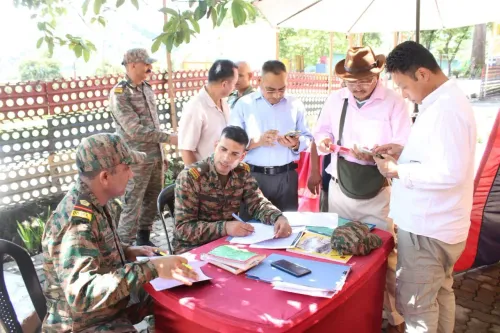
The Indian Army organised the core commemorative programme, while the Civil Administration, the people of Jang, and the region's ex-servicemen community provided the civic backbone of the event. CM Khandu extended congratulations to all those involved, underscoring the rare convergence of military and civilian ownership over a shared piece of border history. That convergence matters: Tawang's proximity to the India-China boundary gives these annual observances a quiet geopolitical resonance that extends well beyond ceremony.
Digital heritage, one QR code at a time
The addition of a webpage and QR code to Nuranang fits into a broader, emerging pattern of digitising India's border war heritage sites in the Northeast. Where earlier generations maintained stone-and-mortar memorials, the current push attaches machine-readable layers — turning a battlefield visit into an interactive history lesson. If the ShauryaBhoomi model proves effective at Nuranang, it offers a template readily replicable at other 1962 war sites across Arunachal Pradesh.
Sixty-four years on, Rifleman Rawat's stand at Nuranang is no longer just a story passed down through regimental lore — it now has a URL.
Point of View
The Army and civil administration are broadening the audience for 1962 narratives beyond regimental reunions and into the hands of every smartphone user who visits Tawang. For CM Khandu, whose political identity is deeply intertwined with Arunachal Pradesh's border sensitivity, backing such initiatives signals continuity with New Delhi's posture on the region's strategic significance. The model — QR code, webpage, tank display — is low-cost and highly replicable, and its rollout at other 1962 sites could quietly consolidate India's historical claim narrative in the Northeast.
NationPress
18 Nov 2026
Frequently Asked Questions
Who was Rifleman Jaswant Singh Rawat and why is he remembered?
Rifleman Jaswant Singh Rawat of the Garhwal Rifles was a soldier who displayed exceptional bravery during the Battle of Nuranang in November 1962 during the Sino-Indian War. He was posthumously awarded the Maha Vir Chakra , India's second-highest wartime gallantry honour, and is commemorated through memorials and annual events in Jang, Tawang district, Arunachal Pradesh .
What is ShauryaBhoomi in the context of Nuranang Day?
ShauryaBhoomi is a digital initiative launched by the Indian Army on Nuranang Day 2026 comprising a dedicated webpage and a QR code linked to the history of the Battle of Nuranang . It is designed to make the battle's history accessible to visitors at the site in Jang, Tawang district .
Where did the Battle of Nuranang take place?
The Battle of Nuranang was fought in November 1962 in the Nuranang area of Jang, Tawang district, Arunachal Pradesh , during the Sino-Indian War . It is one of the significant engagements remembered in India's northeastern border military history.
What is the Vijayanta Tank and why was it displayed at Nuranang Day?
The Vijayanta Tank was a main battle tank used by the Indian Army and was displayed at the Nuranang Day 2026 commemoration as a heritage exhibit honouring India's military history. It forms part of the commemorative infrastructure at the memorial site in Jang .
What did Arunachal Pradesh CM Pema Khandu say about Nuranang Day 2026?
CM Pema Khandu described the initiatives — including the ShauryaBhoomi webpage, QR code, and Vijayanta Tank display — as 'commendable,' saying they would 'help preserve this historic chapter of our nation's military history' and inspire younger generations with stories of courage and sacrifice.