CM Pema Khandu visits Tawang DIC, meets Usha Silai School trainees
Synopsis
Arunachal Pradesh CM Pema Khandu visited the District Industries Centre in Tawang on 30 October 2026, meeting women completing a Usha Silai School Teachers' Training Programme and inspecting DIC facilities including carpet-making, wool products, woodcrafts, and computerised knitting.
Key Takeaways
CM Pema Khandu visited District Industries Centre, Tawang on 30 October 2026 .
He interacted with participants of the Usha Silai School Teachers' Training Programme held from 19–27 October 2026 at the Craft Centre, Tawang .
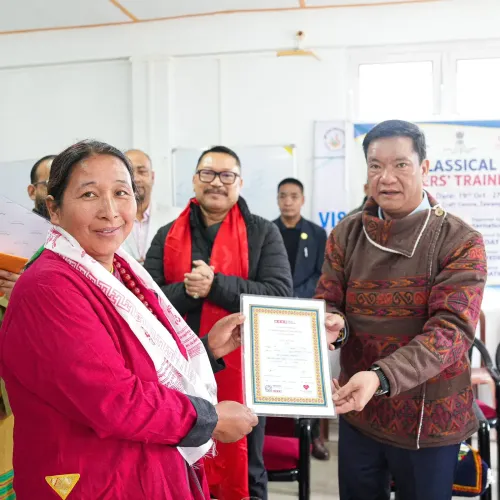
Graduates receive teacher certificates and identity cards , enabling them to train other women and create local livelihoods.
The Usha Silai School initiative, a Usha International CSR programme launched in the early 2010s , trains rural women in sewing and embroidery across India.
DIC Tawang facilities include traditional carpet making, wool products, woodcrafts , and computerised knitting .
The visit reflects Arunachal Pradesh 's broader push to combine women's skilling with preservation of local craft heritage in border districts.
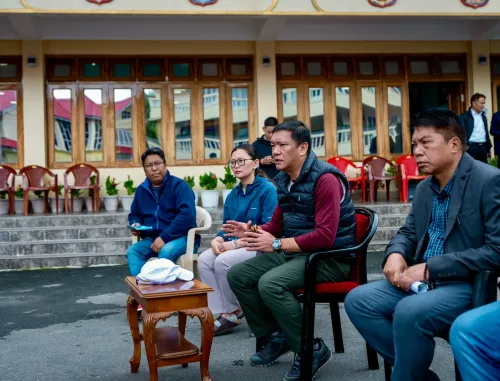
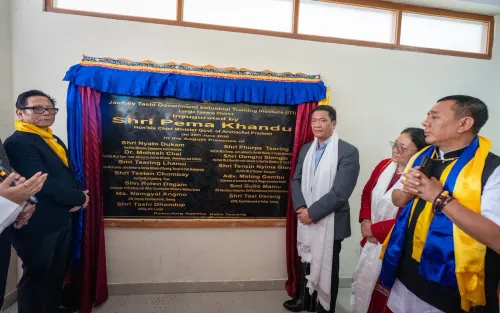
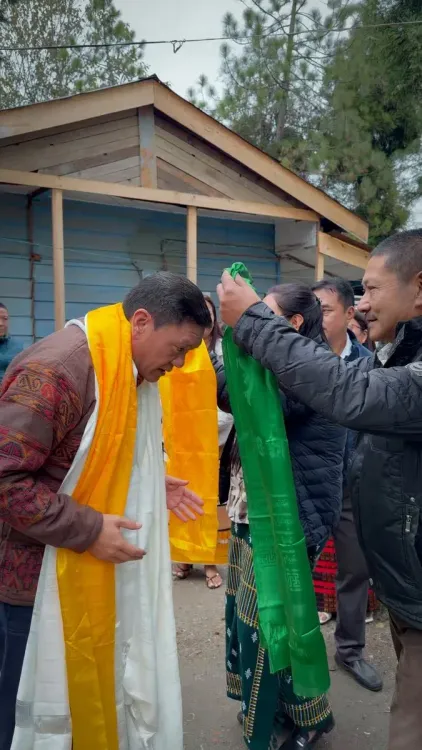
In the high-altitude border district of Tawang, women are learning to stitch their way to economic independence — and now, to teach others to do the same. Arunachal Pradesh Chief Minister Pema Khandu on Friday, 30 October 2026, visited the District Industries Centre (DIC), Tawang, where he interacted with participants of the Usha Silai School Teachers' Training Programme, held from 19th to 27th October 2026 at the Craft Centre, Tawang.
The training programme, run under the Usha Silai School initiative, equips women with skills in sewing and embroidery and prepares them to become certified teachers themselves. On completing the course, participants receive teacher certificates and identity cards — credentials that allow them to run their own training sessions, multiplying the programme's reach within their own communities.
A multiplier model: from trainee to trainer
The design of the Usha Silai School model is deliberately self-replicating. Rather than creating dependence on a central institution, it turns each graduate into a node — capable of training the next cohort of women in her village or neighbourhood. Usha International launched its Silai Schools programme in the early 2010s as a corporate social responsibility initiative targeting rural women across India, combining vocational skilling with a clear self-employment pathway.
In a frontier district like Tawang — known as much for its Buddhist monastery heritage and strategic border location as for its artisan traditions — the programme connects economic empowerment with deeply rooted local craft culture. The teacher-certification model adds a layer of institutional legitimacy that a simple sewing class alone cannot provide.
Carpets, wool, wood, and computerised knitting at the DIC
Beyond the Silai School interaction, CM Khandu inspected a range of activities underway at the District Industries Centre. The DIC, a state government body supporting local industry, currently hosts facilities for traditional carpet making, wool products, woodcrafts, and — notably — computerised knitting. The last item signals an intent to modernise without abandoning the district's textile identity.
The Arunachal Pradesh government has long positioned women-centric skill programmes as a dual-purpose tool: generating rural livelihoods while preserving the northeast's distinctive craft heritage. DIC Tawang sits at the intersection of both ambitions, functioning as a hub where traditional techniques meet modern training infrastructure.
Administrative engagement in a border district
Khandu's visit is part of a pattern of active administrative engagement with district-level institutions across the state. For Tawang specifically — a district that carries outsized geopolitical significance given its proximity to the China border — visible investment in local livelihoods carries both economic and strategic weight. Programmes that generate employment and community rootedness in border areas have long been viewed as instruments of soft integration.
The real test of today's visit will play out in the weeks ahead: whether the certified teachers from this batch go on to open Silai School sessions in their home villages, and whether the state scales similar training batches to other districts. The blueprint exists. The question is replication.
Point of View
The programme attempts to build self-sustaining local ecosystems rather than creating dependence on periodic government interventions. For a border district like Tawang, livelihood programmes carry an added strategic dimension, as economic integration in frontier areas has long been a soft-power priority for successive state and central governments. The broader policy question is whether this one-district engagement translates into a state-wide rollout with dedicated budget lines.
NationPress
30 Oct 2026
Frequently Asked Questions
What is the Usha Silai School programme?
The Usha Silai School is a corporate social responsibility initiative by Usha International , launched in the early 2010s , that trains rural women in sewing and embroidery for self-employment. Participants who complete advanced training receive teacher certificates allowing them to train other women in their communities.
Why did CM Pema Khandu visit the District Industries Centre in Tawang?
CM Pema Khandu visited DIC Tawang on 30 October 2026 to interact with women completing the Usha Silai School Teachers' Training Programme and to inspect the centre's facilities, including carpet-making, wool products, woodcrafts, and computerised knitting.
What certificate do women receive after completing the Usha Silai School training in Tawang?
On completing the programme, women receive a teacher certificate and an identity card that authorise them to conduct their own Silai School training sessions and generate livelihood opportunities within their communities.
What activities take place at the District Industries Centre Tawang?
The DIC Tawang hosts facilities for traditional carpet making , wool products , woodcrafts , and computerised knitting , supporting local artisans and skill-based industries in the district.
How does the Usha Silai School relate to women empowerment in Arunachal Pradesh?
The programme is part of Arunachal Pradesh 's broader strategy of women-centric skilling that combines vocational training with preservation of traditional crafts, aiming to generate sustainable rural livelihoods especially in border districts like Tawang .