CM Punjab's Mawaan-Dhiyaan Scheme Empowers Women Beneficiaries
Synopsis
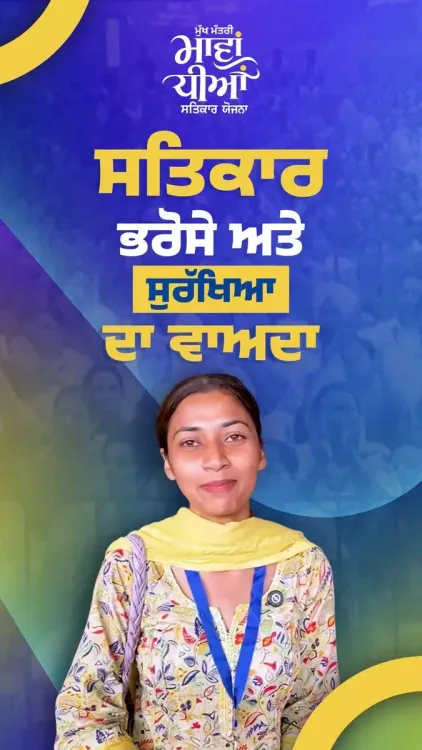
The Chief Minister's Office of Punjab shared beneficiary voices on 14 July 2026, with women receiving funds under the Mukhya Mantri Mawaan-Dhiyaan Satikaar Yojana saying the scheme has made them self-reliant for daily expenses — a key marker of the Bhagwant Mann government's gender welfare push.
Key Takeaways
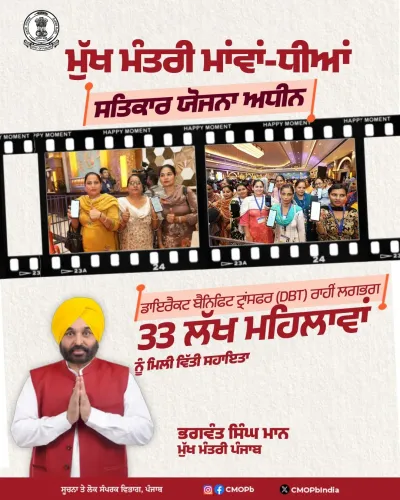
The Chief Minister's Office of Punjab shared beneficiary testimonials on 14 July 2026 highlighting the impact of the Mukhya Mantri Mawaan-Dhiyaan Satikaar Yojana .
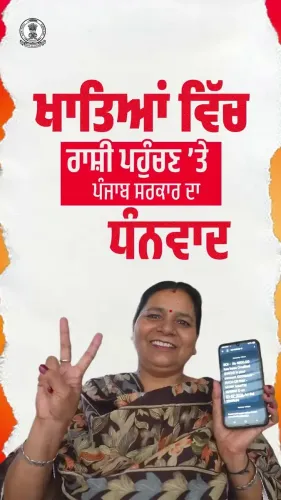
Women receiving the satikaar raashi (respect grant) said the scheme has become a 'great support' enabling them to manage daily expenses independently.
The scheme is a gender-targeted direct benefit transfer programme under the Bhagwant Mann -led AAP government in Punjab.
Punjab's initiative follows a broader national trend of state-level cash transfer schemes for women focused on self-reliance rather than one-time payments.
Key details including the benefit quantum, launch date, and total beneficiary count are yet to be confirmed through official state government notifications.
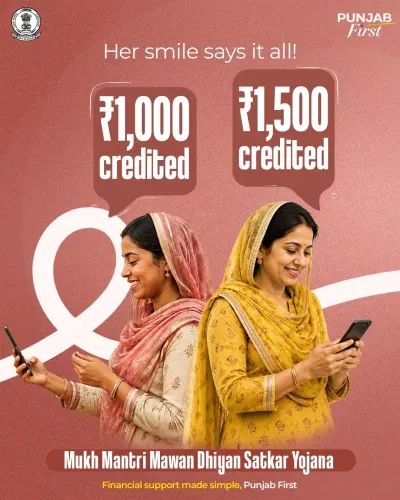
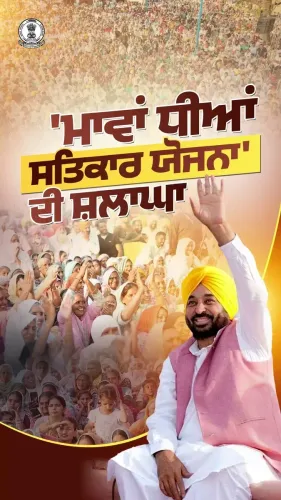
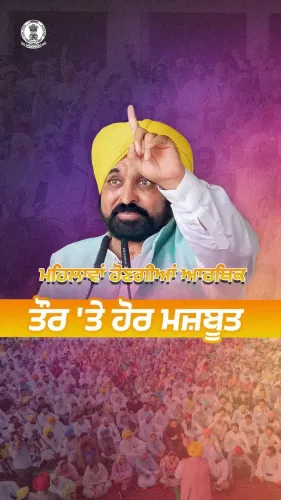
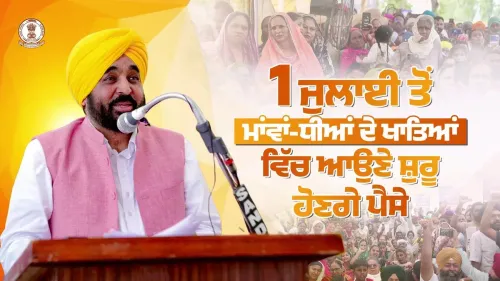
The Chief Minister's Office of Punjab shared testimonials on Tuesday, 14 July 2026 from women beneficiaries of the Mukhya Mantri Mawaan-Dhiyaan Satikaar Yojana, highlighting how the scheme's financial assistance has become a critical support system for daughters across the state.
Beneficiaries receiving the satikaar raashi (respect grant) under the scheme have stated that it has become a 'vadda sahara' — a great support — enabling them to meet daily expenses independently. The CMO's post quoted recipients saying they can now be self-reliant for their day-to-day expenditures, marking a tangible shift in household financial autonomy for women in the state.
Context
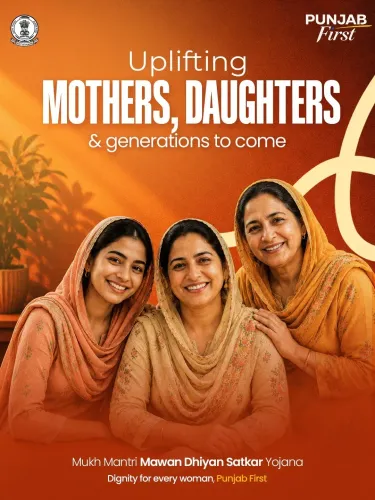
The Mukhya Mantri Mawaan-Dhiyaan Satikaar Yojana — translating to the 'Chief Minister Mothers-Daughters Respect Scheme' — is a gender-targeted direct benefit transfer programme by the Government of Punjab. It is designed to provide periodic financial assistance to women and girls, with self-reliance as its stated goal. The scheme's name itself reflects an emphasis on dignity and respect for women within the family and society.
The Aam Aadmi Party government led by Chief Minister Bhagwant Mann, in power since March 2022, has positioned social welfare and direct cash transfers as central planks of its governance agenda in Punjab.
Policy Backdrop
Punjab's scheme is part of a broader national pattern in which multiple Indian states have introduced direct benefit cash transfer programmes specifically targeting women and girls to foster economic independence and address household financial vulnerabilities. These initiatives typically provide monthly or periodic support rather than one-time payments, linking disbursements to self-reliance outcomes.
At the national level, the Beti Bachao Beti Padhao initiative, launched in 2015, set a policy precedent for state-level gender welfare by focusing on improving the child sex ratio and supporting girls' empowerment. Punjab's Mawaan-Dhiyaan Yojana builds on this lineage, applying a direct-transfer model at the state level.
Stakeholders and Impact
The primary beneficiaries are daughters and women in Punjab who qualify under the scheme's eligibility criteria. Testimonials shared by the CMO indicate that recipients view the satikaar raashi not merely as financial aid but as a means of achieving independence in managing routine household costs — a significant shift for women who may have previously depended entirely on family members.
Welfare economists and gender policy advocates have consistently noted that periodic direct transfers to women tend to improve intra-household bargaining power and are more likely to be spent on education, health, and nutrition compared to transfers routed through male household heads.
What's Next
Official state budget documents and government notifications detailing the scheme's eligibility norms, the quantum of the satikaar raashi, and coverage targets are expected to provide a fuller picture of the programme's scale and fiscal commitment. As the Bhagwant Mann government approaches the midpoint of its term, the rollout and expansion of such welfare schemes are likely to feature prominently in its political messaging ahead of future electoral cycles in Punjab.
Point of View
The government is building a narrative of social impact ahead of what will likely be a data-backed rollout announcement. The scheme also signals Punjab's alignment with a pan-India state-level trend of gender-targeted cash transfers, a space where political credit is closely contested.
NationPress
14 Jul 2026
Frequently Asked Questions
What is the Mukhya Mantri Mawaan-Dhiyaan Satikaar Yojana in Punjab?
The Mukhya Mantri Mawaan-Dhiyaan Satikaar Yojana is a Punjab government welfare scheme that provides financial assistance — called satikaar raashi or respect grant — to women and daughters in the state to help them meet daily expenses and become self-reliant.
Who launched the Mawaan-Dhiyaan Satikaar Yojana?
The scheme was launched by the Government of Punjab under Chief Minister Bhagwant Mann, who has led the Aam Aadmi Party government in the state since March 2022.
How much money do beneficiaries get under the Punjab Mawaan-Dhiyaan scheme?
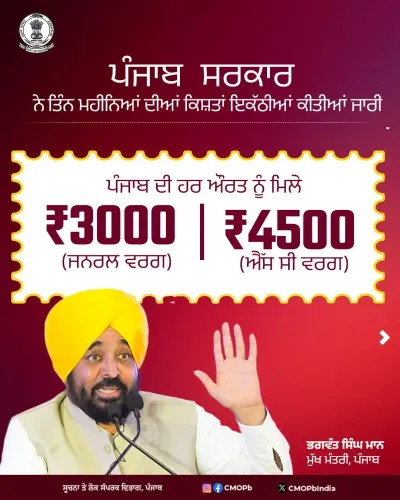
The exact quantum of the satikaar raashi has not been officially confirmed in publicly available records as of July 2026; official government notifications are expected to detail the benefit amount and eligibility norms.
Who is eligible for the Mukhya Mantri Mawaan-Dhiyaan Satikaar Yojana?
The scheme targets daughters and women in Punjab, though precise eligibility criteria including age limits, income thresholds, and residency requirements are subject to official government notifications.
How does the Punjab daughters scheme compare to Beti Bachao Beti Padhao?
While the national Beti Bachao Beti Padhao initiative launched in 2015 focused on improving child sex ratios and girls' education, Punjab's Mawaan-Dhiyaan Satikaar Yojana is a direct cash transfer scheme aimed at enabling financial self-reliance for women in their daily lives.