CM Rajasthan Directs Rajivika to Skill Up Tribal Women
Synopsis
The Chief Minister's Office of Rajasthan directed Rajivika on 3 August 2026 to train tribal women in self-help groups, aiming to sharpen their skills, raise product quality, and increase household incomes under the state's rural livelihoods mission.
Key Takeaways
The Rajasthan CMO on 3 August 2026 directed Rajivika to provide skill training to tribal women enrolled in self-help groups.
The stated goals are improved product quality and higher income for participating tribal women.
Rajivika (Rajasthan Gramin Aajeevika Vikas Parishad) is the state's agency implementing the central National Rural Livelihood Mission , launched in 2011 .
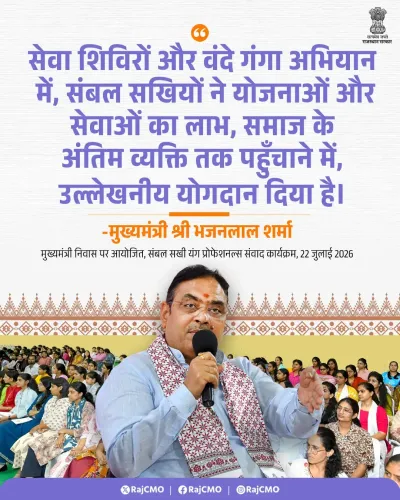
The directive was tagged to CM Bhajan Lal Sharma , who has been in office since December 2023 .
The post was published under the #आपणो_अग्रणी_राजस्थान campaign, the BJP-led government's governance branding.
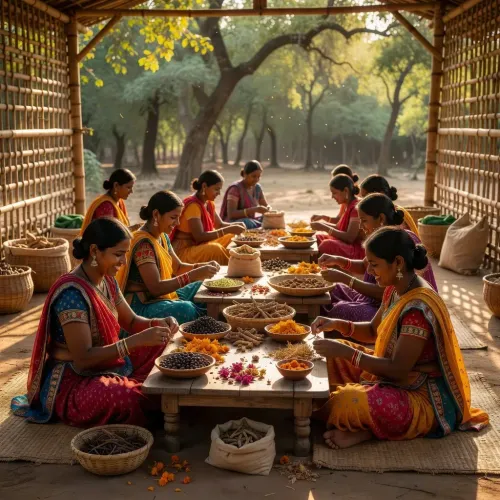
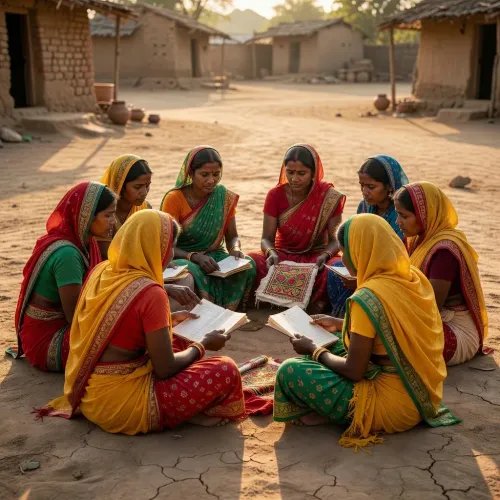
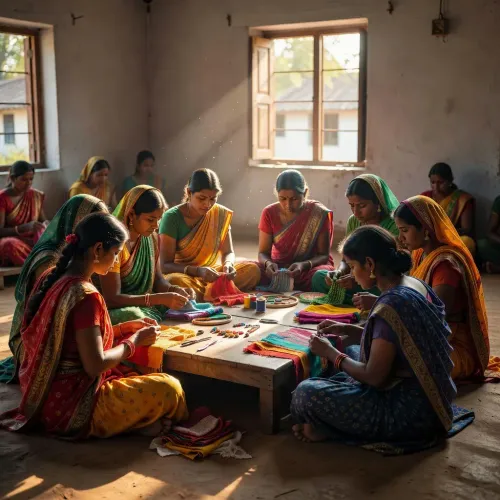
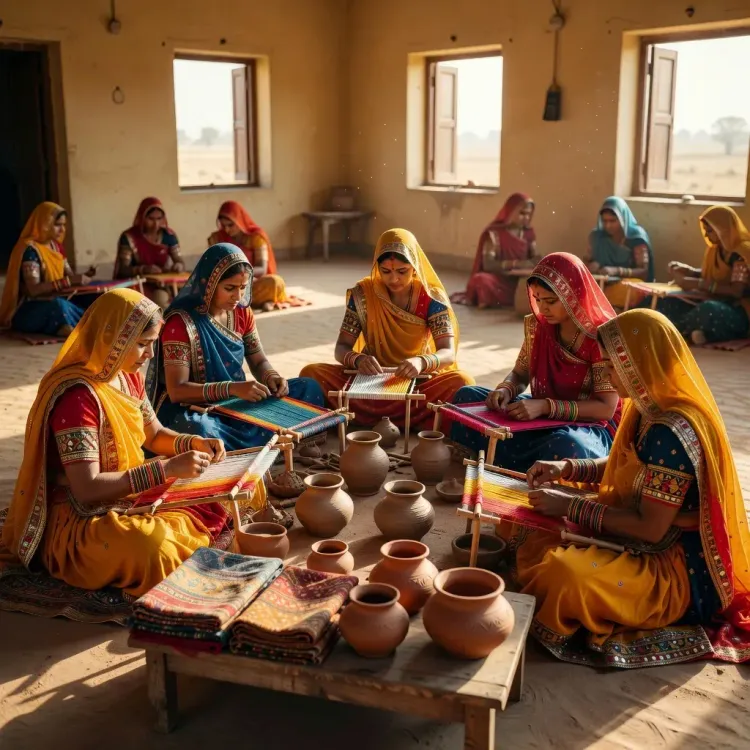
Tribal women enrolled in Rajivika self-help groups are set to receive targeted skill training — a directive that could directly lift incomes for one of Rajasthan's most economically marginalised communities. The Chief Minister's Office of Rajasthan issued the instruction on Monday, 3 August 2026, tagging Chief Minister Bhajan Lal Sharma in the post.
The CMO's message was direct: 'Rajivika se judi janjati mahilaon ko prashikshan diya jae, jisse unke kaushal mein vriddhi ho aur ve apne utpadon ki gunvatta mein sudhar kar, aay mein vriddhi kar sakein.' — 'Tribal women linked to Rajivika should be given training so that their skills improve, enabling them to enhance the quality of their products and increase their income.'What Rajivika Does — and Why Tribal Women Need More From It
Rajivika, formally the Rajasthan Gramin Aajeevika Vikas Parishad, is the state's nodal agency for implementing the National Rural Livelihood Mission (NRLM) — a central government programme launched in 2011 to organise rural poor households into self-help groups and build sustainable livelihoods. Rajasthan established Rajivika as its own NRLM arm to channel that mission at the district and village level, forming thousands of women's SHGs across the state. Tribal communities, concentrated in Rajasthan's southern districts such as Udaipur, Dungarpur, Banswara, and Pratapgarh, have historically been enrolled in these groups — but skill gaps and limited market access have kept product quality and earnings below potential. The CMO's directive squarely targets that gap: better training, better products, better income.Sharma's Tribal Welfare Push Under 'Aapno Agrani Rajasthan'
The post carries the hashtag #आपणो_अग्रणी_राजस्थान (Aapno Agrani Rajasthan — 'Our Leading Rajasthan'), the BJP-led state government's flagship branding for its governance agenda since CM Bhajan Lal Sharma took office in December 2023. Directing Rajivika to prioritise tribal women's upskilling fits within the broader pattern of state rural livelihood missions using skill-building components to raise product quality and market earnings for scheduled tribe communities. The question now is execution: which training modules get rolled out, in which districts, and on what timeline. Income and sales data from participating tribal households will be the real measure of whether this directive moves beyond a social-media post into field impact.Rajasthan's tribal women have the craft, the SHG structure, and now a fresh government push. The gap between a directive and a pay rise is always implementation — and that clock starts now.
Point of View
Visible outreach to scheduled tribe women via established SHG infrastructure is both a welfare move and a constituency signal ahead of ongoing local governance cycles. The real test will be whether Rajivika translates this directive into measurable training coverage and verifiable income gains, or whether it remains an aspirational social-media moment.
NationPress
3 Aug 2026
Frequently Asked Questions
What is Rajivika in Rajasthan?
Rajivika, or Rajasthan Gramin Aajeevika Vikas Parishad, is the state government's agency that implements the National Rural Livelihood Mission by organising rural women into self-help groups and supporting their livelihoods.
What did the Rajasthan CMO direct on 3 August 2026?
The Chief Minister's Office of Rajasthan directed Rajivika to provide skill training to tribal women in self-help groups so they can improve product quality and increase their income.
Who is Bhajan Lal Sharma?
Bhajan Lal Sharma is the Chief Minister of Rajasthan from the BJP, serving since December 2023.
What is the National Rural Livelihood Mission?
The National Rural Livelihood Mission is a central government programme launched in 2011 to promote self-help groups and sustainable livelihoods for rural poor households across India.
What does Aapno Agrani Rajasthan mean?
'Aapno Agrani Rajasthan' translates to 'Our Leading Rajasthan' and is the BJP-led Rajasthan government's branding hashtag for its governance and development agenda.