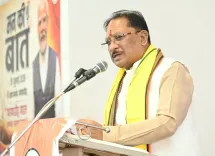
CM Rekha Gupta Backs Modi's Call for Eco-Friendly Ganesh Idols

Synopsis
Delhi Chief Minister Rekha Gupta amplified PM Modi's Mann Ki Baat appeal calling on citizens to install Ganesh idols made from Indian soil this Ganesh Chaturthi, framing the choice as an act of worship of nature and reinforcing a decade-long policy push against chemically harmful Plaster of Paris idols.
Key Takeaways
Delhi CM Rekha Gupta shared PM Narendra Modi 's appeal on 26 July 2026 via her official X account.
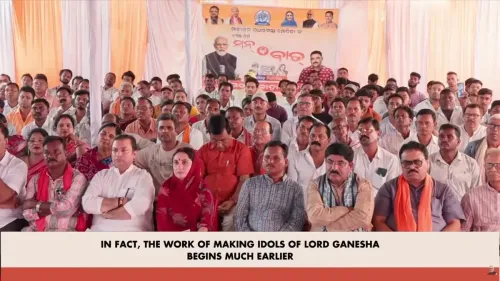
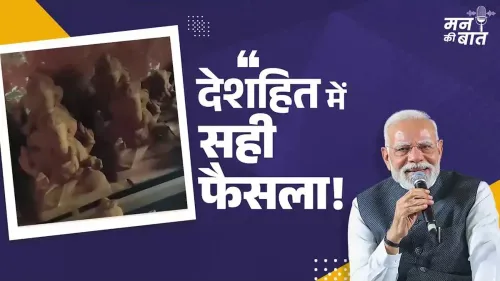
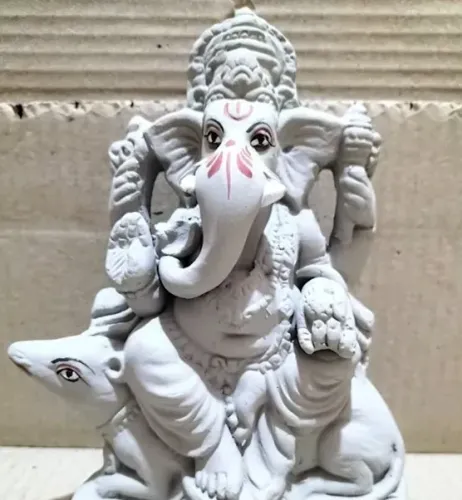
PM Modi, speaking on Mann Ki Baat , urged citizens to install Ganesh idols made from the soil of India during Ganesh Chaturthi .
He described the act as 'worship of nature itself,' linking religious observance to environmental responsibility.
The National Green Tribunal has restricted Plaster of Paris idols since 2015 , promoting natural clay alternatives to protect water bodies.
The Swachh Bharat Abhiyan (launched 2014 ) included reducing festival-related pollution as an explicit goal.
The Yamuna river in Delhi is among the most ecologically stressed water bodies affected by idol immersion practices.
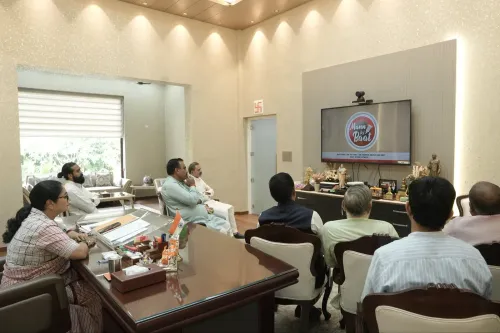
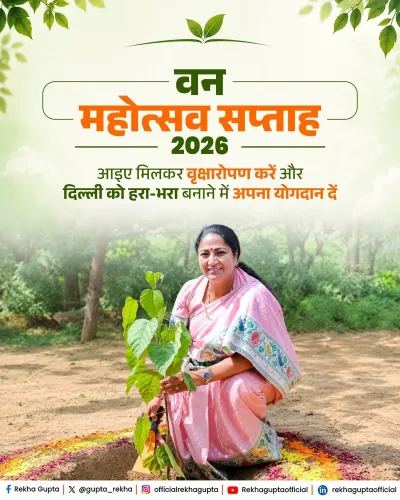
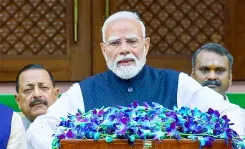
Delhi Chief Minister Rekha Gupta on Sunday, 26 July 2026 shared a message from Prime Minister Narendra Modi urging citizens to install Ganesh idols made from the soil of India during the upcoming Ganesh Chaturthi festival, calling it an act of worship of nature itself.
Context
The message, originally delivered by PM Modi on his monthly radio programme Mann Ki Baat, read: 'Is baar Ganapati puja mein desh ki mitti se bane Ganesh ji ko apne ghar mein sthapit karein' — 'This time, during Ganesh Puja, install a Ganesh idol made from the soil of this country in your home.' The Prime Minister added that such an effort 'would in a way be worship of nature itself.' CM Gupta amplified the appeal on her official X (formerly Twitter) account, tagging @narendramodi and using the hashtag #MannKiBaat.
Mann Ki Baat is a monthly radio address in which the Prime Minister highlights citizen-led initiatives, governance themes, and social causes. The programme has previously been used to promote environmental and cleanliness campaigns ahead of major festivals.
Policy Backdrop
The call for soil-based, eco-friendly idols is rooted in a policy lineage stretching back over a decade. The Swachh Bharat Abhiyan, launched in 2014, explicitly included reducing pollution from idol immersion as one of its goals. From 2015 onward, the National Green Tribunal (NGT) issued a series of orders restricting the use of Plaster of Paris (PoP) idols and promoting natural clay and locally sourced soil alternatives to protect rivers, lakes, and other water bodies from chemical contamination.
Plaster of Paris idols, which are widely used due to their low cost and fine finish, do not dissolve easily and release toxic chemicals during immersion. Natural clay idols, by contrast, dissolve without harming aquatic ecosystems. The NGT and several state governments have periodically reinforced these guidelines ahead of major festivals, though compliance has varied across regions.
Stakeholders and Impact
Ganesh Chaturthi is one of India's largest public festivals, observed with particular fervour in Maharashtra, Telangana, Karnataka, and parts of Delhi. Millions of households and public mandals install idols for periods ranging from one and a half to ten days, culminating in a mass immersion ceremony. The scale of idol production and immersion makes the choice of material a significant environmental variable.
For artisans and idol-makers, a shift to soil-based materials can mean changes in sourcing, production technique, and pricing. Environmental groups and river conservation bodies have long advocated for such a shift, and official endorsement from the Prime Minister and state leaders lends the campaign renewed visibility. Devotees in Delhi, where the Yamuna river is already under severe ecological stress, are a particular focus of such messaging.
What's Next
Observers will watch for state-level advisories from the Delhi government and other administrations formalising guidelines on permissible idol materials and immersion procedures ahead of Ganesh Chaturthi. The next episode of Mann Ki Baat may elaborate further on the theme. If the Centre or states issue formal circulars backed by the NGT framework, the message could translate from an appeal into enforceable guidance — a step that would test both administrative will and public receptiveness at the grassroots level.
Point of View
CM Rekha Gupta is aligning Delhi's BJP administration with a well-established Centre-led environmental narrative tied to festival culture — a politically low-risk, high-visibility move ahead of Ganesh Chaturthi. The appeal sits at the intersection of cultural affirmation and ecological messaging, a combination Indian leaders have deployed with increasing frequency since the Swachh Bharat era. Whether the message produces behavioural change at scale depends on whether it is backed by enforceable state-level advisories, not just social media amplification. The broader pattern suggests this is as much about political optics as environmental outcomes, though the two are not mutually exclusive.
NationPress
26 Jul 2026
Frequently Asked Questions
What did PM Modi say about Ganesh idols on Mann Ki Baat?
PM Modi urged citizens to install Ganesh idols made from the soil of India during Ganesh Chaturthi, saying such an effort would amount to worship of nature itself.
Why are soil or clay Ganesh idols considered eco-friendly?
Natural clay and soil-based idols dissolve in water without releasing toxic chemicals, unlike Plaster of Paris idols which harm aquatic life and pollute rivers and lakes during immersion.
What is the National Green Tribunal's stance on Plaster of Paris Ganesh idols?
The National Green Tribunal has issued orders from 2015 onward restricting the use of Plaster of Paris idols and encouraging natural clay alternatives to protect water bodies from chemical pollution.
Why did Delhi CM Rekha Gupta share this message?
CM Rekha Gupta shared PM Modi's Mann Ki Baat appeal on her X account to amplify the eco-friendly festival message among Delhi residents, tagging the Prime Minister and using the hashtag #MannKiBaat.
When is Ganesh Chaturthi celebrated in India?
Ganesh Chaturthi is an annual Hindu festival typically observed between August and September, with the exact date varying each year according to the Hindu lunar calendar.