Bihar CMO Backs PM Modi's Waste-to-Wealth Bench Initiative
Synopsis
The Chief Minister's Office of Bihar on 26 July 2026 backed PM Modi's endorsement of benches made from plastic waste, framing the initiative as a real-world expression of the Waste to Wealth concept and calling Reduce, Reuse and Recycle a way of life rather than a slogan.
Key Takeaways
The Chief Minister's Office of Bihar shared PM Modi's statement on 26 July 2026 endorsing plastic-waste benches as strong, durable and environment-friendly.
The post frames 'Reduce, Reuse and Recycle' as a life principle, not merely a government slogan.
The initiative is described as giving concrete form to the Waste to Wealth concept championed nationally by NITI Aayog.
The policy sits within the Swachh Bharat Mission (2014) and Plastic Waste Management Rules (2016) framework.
Urban local bodies and waste recyclers are the key stakeholders who would implement and benefit from any Bihar-level rollout.
State-level procurement guidelines or budget allocations will determine whether the endorsement leads to measurable environmental impact.
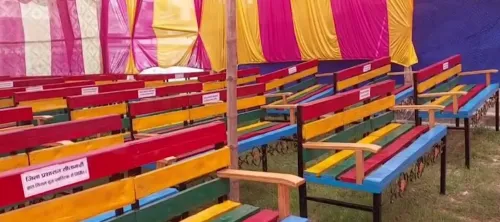
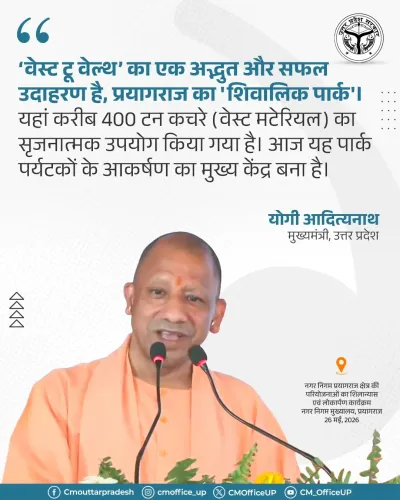
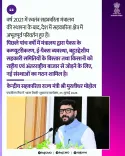
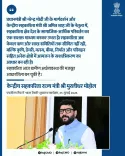
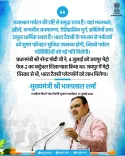
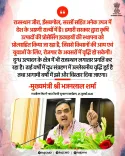
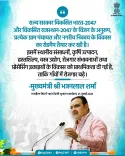
The Chief Minister's Office of Bihar on Sunday, 26 July 2026 shared a statement attributed to Prime Minister Narendra Modi endorsing benches manufactured from plastic waste, calling the initiative a practical realisation of the 'Waste to Wealth' concept and urging citizens to treat the 'Reduce, Reuse and Recycle' principle as a way of life rather than a slogan.
The post quotes the Prime Minister as saying that benches made from plastic waste are 'not only strong, durable and comfortable, but also environment-friendly.' The original Hindi reads: 'प्लास्टिक कचरे से निर्मित बेंच न केवल मजबूत, टिकाऊ और आरामदायक है, बल्कि पर्यावरण-अनुकूल भी है' — underscoring that recycled-plastic public furniture meets both functional and ecological standards.
Context
The Bihar CMO's amplification of this message places the state administration squarely behind a national push to convert plastic waste into durable public assets. The statement frames 'Reduce, Reuse and Recycle' not as a bureaucratic directive but as a cultural shift — a significant rhetorical move for a state that has large urban and peri-urban populations generating substantial quantities of solid waste daily. The post explicitly invokes the Waste to Wealth concept, describing the bench initiative as giving that idea concrete, visible form. Plastic-waste benches installed in public spaces serve a dual purpose: they divert non-biodegradable material from landfills and provide low-cost, weather-resistant street furniture for municipalities.Policy Backdrop
The initiative sits within a layered policy framework. The Swachh Bharat Mission, launched in 2014, made solid-waste management and recycling central to national cleanliness targets. The Plastic Waste Management Rules, 2016, set binding standards for the collection and recycling of plastics across urban local bodies. Building on these foundations, the Waste to Wealth Mission — led by NITI Aayog — was scaled nationally from 2021 onward to demonstrate how different categories of waste can be converted into infrastructure assets and consumer goods. Recycled-plastic benches, road sub-base material and paving tiles have emerged as flagship products of this circular-economy push, offering state governments a visible, low-cost way to demonstrate compliance with central environmental mandates while improving public amenities.Stakeholders and Impact
Urban local bodies in Bihar are the primary implementing agencies for any such rollout, responsible for procuring or commissioning recycled-plastic furniture and integrating it into parks, bus stands, railway platforms and public squares. Waste recyclers and informal sector workers who collect and process plastic scrap stand to benefit if municipal demand for recycled-plastic products grows, as it creates a more stable market for segregated plastic waste. For ordinary residents, the initiative offers a tangible, everyday touchpoint with circular-economy principles — a bench in a local park becomes a visible reminder that discarded plastic can re-enter productive use rather than accumulating in drains or open dumps.What's Next
Attention will now turn to whether Bihar issues specific guidelines or budget allocations directing urban local bodies to procure recycled-plastic infrastructure at scale. A state-level policy or procurement mandate would move the initiative from symbolic endorsement to measurable impact, and could serve as a model for other large states navigating the intersection of urban sanitation, plastic-waste reduction and circular-economy targets. The pace at which such pilot projects are mainstreamed into municipal procurement norms will determine whether the 'Waste to Wealth' vision translates into lasting environmental gains on the ground.Point of View
Feel-good environmental initiative ahead of what could be a period of heightened scrutiny on Bihar's urban sanitation record. By amplifying a Prime Minister quote rather than announcing an independent state scheme, the messaging strategy keeps the spotlight on central leadership while signalling state-level buy-in. The Waste to Wealth framing is significant because it repackages environmental compliance as economic opportunity, a narrative that resonates with both urban middle-class voters and informal recyclers. Whether this rhetorical alignment translates into concrete procurement mandates for Bihar's municipalities will be the real test of the initiative's depth.
NationPress
26 Jul 2026
Frequently Asked Questions
What is the Waste to Wealth initiative mentioned by Bihar CMO?
The Waste to Wealth initiative is a NITI Aayog-led national programme, scaled from 2021, that converts different categories of waste — including plastic — into usable products such as benches, road materials and tiles, reducing landfill burden while creating economic value.
What did PM Modi say about plastic waste benches?
According to the Bihar CMO's post on 26 July 2026, PM Modi stated that benches made from plastic waste are not only strong, durable and comfortable but also environment-friendly, and called Reduce, Reuse and Recycle an important part of life rather than just a slogan.
What is the Swachh Bharat Mission's role in plastic recycling?
The Swachh Bharat Mission, launched in 2014, established solid-waste management and recycling as core national priorities, laying the groundwork for subsequent rules such as the Plastic Waste Management Rules of 2016 that set binding standards for plastic collection and recycling.
How does Bihar plan to implement the plastic waste bench initiative?
The Bihar CMO has endorsed the concept publicly, but specific state-level procurement guidelines or budget allocations directing urban local bodies to commission recycled-plastic furniture have not yet been announced as of 26 July 2026.
Who benefits from recycled plastic furniture projects in Bihar?
Urban local bodies gain low-cost, durable public furniture; informal waste recyclers and plastic scrap collectors benefit from increased municipal demand for segregated plastic; and residents gain cleaner public spaces with a visible demonstration of circular-economy principles.