Rajasthan CMO hails cooperative sector as engine of social change
Synopsis
The Rajasthan Chief Minister's Office on 26 July 2026 praised PM Narendra Modi and Union Cooperation Minister Amit Shah for transforming India's cooperative sector into a powerful socio-economic instrument, signalling strong centre-state alignment on rural cooperative policy.
Key Takeaways
The Rajasthan CMO on 26 July 2026 publicly credited PM Narendra Modi and Amit Shah for the cooperative sector's transformation.
The post described the cooperative sector as 'a powerful medium of the country's socio-economic transformation.' India's dedicated Ministry of Cooperation was established in July 2021 under Amit Shah — the first such ministry in the country's history.
The message was tagged to Murlidhar Mohol and carried the hashtag #आपणो_अग्रणी_राजस्थान , indicating coordinated political outreach.
The cooperative push is part of a broader national strategy of rural economic inclusion, modelled on successes like Amul in Gujarat.
Rajasthan's alignment signals potential state-level cooperative policy announcements or participation in national multi-state cooperative projects.
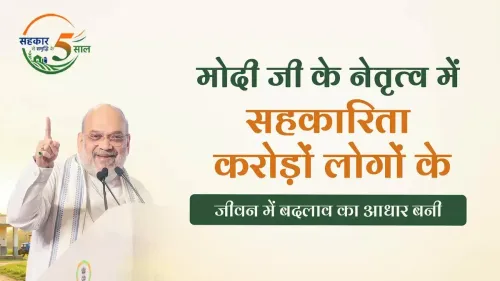
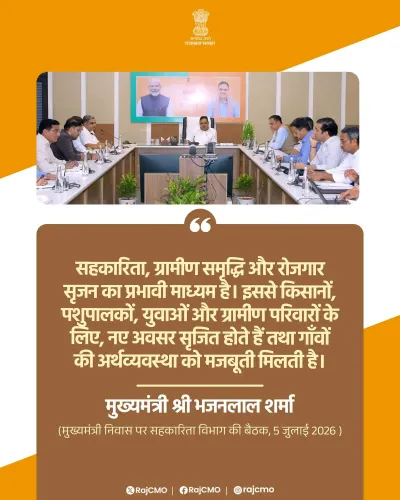
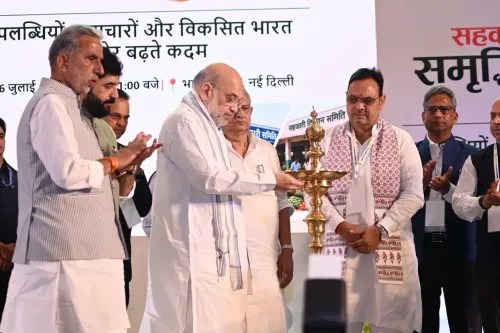
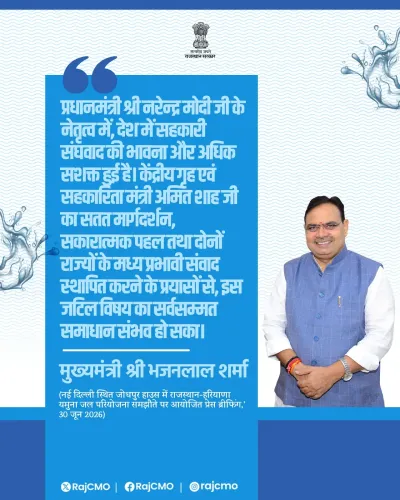
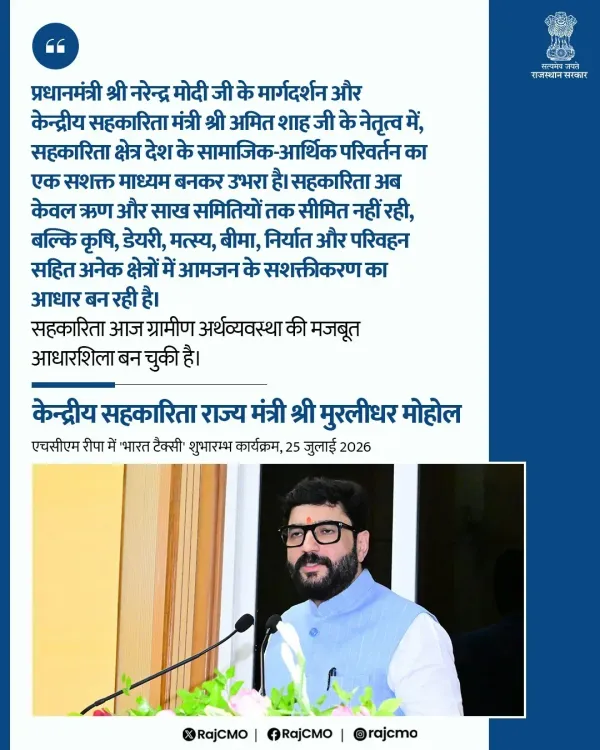
The Chief Minister's Office of Rajasthan on Sunday, 26 July 2026, credited the cooperative sector's transformation to the guidance of Prime Minister Narendra Modi and the leadership of Union Minister of Cooperation Amit Shah, calling it a powerful vehicle for the country's socio-economic change.
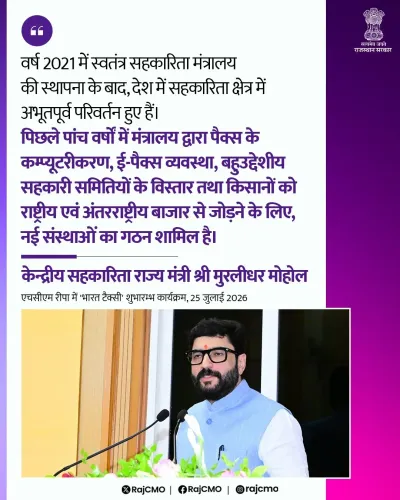
The post, shared from the official Rajasthan CMO handle and tagged to Murlidhar Mohol, stated in Hindi: 'सहकारिता क्षेत्र देश के सामाजिक-आर्थिक परिवर्तन का एक सशक्त माध्यम बनकर उभरा है' — meaning 'the cooperative sector has emerged as a powerful medium of the country's socio-economic transformation.' The post carried the hashtag #आपणो_अग्रणी_राजस्थान ('Our Leading Rajasthan'), signalling the state government's alignment with the national cooperative agenda.
Context
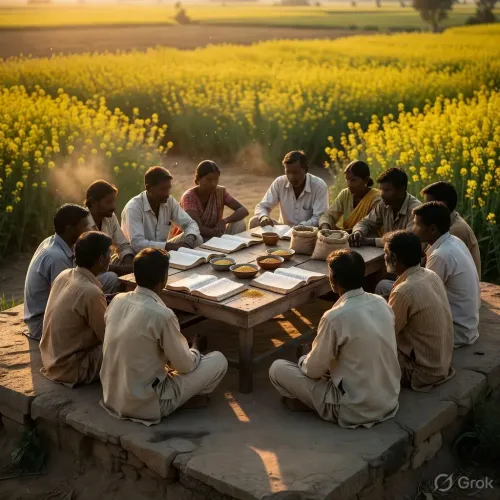
The statement from Jaipur reflects the Rajasthan government's endorsement of the central government's sustained push to reposition cooperatives at the heart of rural economic policy. The post underscores centre-state coordination in advancing the cooperative movement under the BJP-led dispensation at both the national and state levels. The tagging of Murlidhar Mohol, a politician associated with cooperative and political outreach, suggests the communication is part of a broader coordinated messaging effort.Policy Backdrop
The cooperative sector received a significant structural boost in July 2021, when the Government of India carved out a dedicated Ministry of Cooperation — the first of its kind — and placed it under Amit Shah. The move was presented as a step toward realising the vision of 'Sahakar se Samriddhi' ('Prosperity through Cooperation'), aimed at deepening the reach of cooperative institutions into rural and semi-urban India. This followed the 97th Constitutional Amendment of 2011, which had earlier sought to strengthen the governance frameworks of cooperative societies across states. Since 2014, the central government has positioned cooperatives as instruments of rural economic inclusion and self-reliance, complementing flagship schemes in agriculture and dairy. The success of models such as Amul in Gujarat has been cited repeatedly as a template to be replicated nationally, with new multi-state cooperative institutions being set up to scale that impact.Stakeholders and Impact
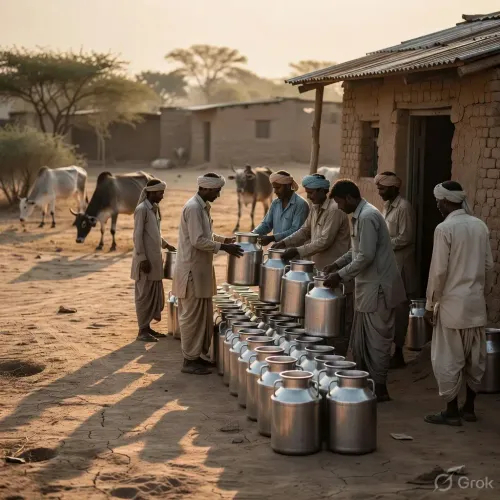
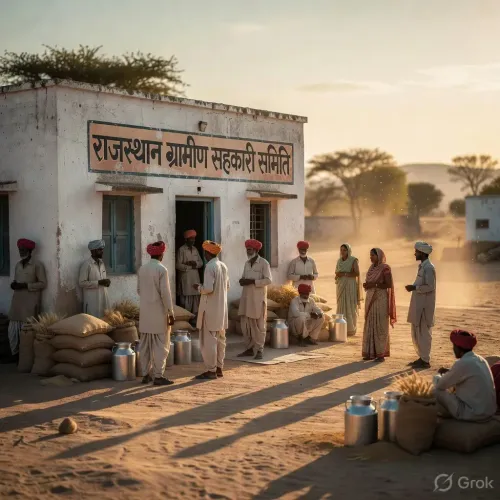
The primary beneficiaries of cooperative sector growth are rural farmers and members of cooperative societies across India. Strengthened cooperative networks can improve access to credit, agricultural inputs, storage infrastructure, and market linkages for smallholder farmers. In a state like Rajasthan — with a large agrarian population and significant dairy activity — robust cooperative institutions carry direct implications for rural livelihoods and income stabilisation. For the Rajasthan government, publicly aligning with the national cooperative narrative also serves a political purpose: it reinforces the state's participation in centrally driven economic programmes and positions the administration as an active partner in the Modi government's rural economy agenda.What's Next
Attention will now turn to whether the Rajasthan government follows this statement with concrete policy announcements — such as participation in national multi-state cooperative projects, expansion of primary agricultural credit societies, or state-level cooperative reforms. The #आपणो_अग्रणी_राजस्थान campaign framing suggests the government intends to position Rajasthan as a model state within the national cooperative framework, and further announcements on this front are likely in the coming weeks.Point of View
' it positions the state as an enthusiastic partner in the Centre's flagship cooperative agenda ahead of what could be a series of policy announcements. The tagging of Murlidhar Mohol hints at coordinated outreach within the BJP's cooperative-sector network. Analysts will watch whether this messaging translates into tangible state-level cooperative reforms or remains largely symbolic consolidation of political messaging.
NationPress
25 Oct 2026
Frequently Asked Questions
What did the Rajasthan CMO say about the cooperative sector?
The Rajasthan CMO stated on 26 July 2026 that under PM Narendra Modi's guidance and Amit Shah's leadership, the cooperative sector has emerged as a powerful medium of socio-economic transformation in India.
When was India's Ministry of Cooperation created and who heads it?
The Ministry of Cooperation was created in July 2021 by the Government of India and has been headed by Union Minister Amit Shah since its inception.
What is the significance of the hashtag #आपणो_अग्रणी_राजस्थान?
The hashtag translates to 'Our Leading Rajasthan' and is used by the Rajasthan government to frame the state as a model participant in national development programmes, including the cooperative sector agenda.
Who is Murlidhar Mohol and why was he tagged in the post?
Murlidhar Mohol is a politician associated with cooperative and political outreach activities. His tagging suggests the post is part of a coordinated BJP communication effort around the cooperative sector.
How does the cooperative sector benefit farmers in Rajasthan?
Strengthened cooperatives can improve rural farmers' access to credit, agricultural inputs, storage facilities, and market linkages, directly supporting livelihoods in Rajasthan's large agrarian economy.