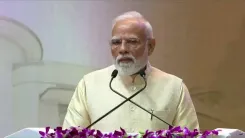
Rajasthan CMO backs Modi's vision of prosperous villages via cooperatives
Synopsis
The Chief Minister's Office of Rajasthan on 17 August 2026 publicly endorsed PM Modi's vision of rural prosperity through cooperatives, tagging Union Minister Amit Shah — signalling state-level commitment to the central cooperative expansion agenda launched with the Ministry of Cooperation in 2021.
Key Takeaways
The Chief Minister's Office of Rajasthan on 17 August 2026 publicly backed PM Modi's goal of village prosperity through cooperatives.
The post tagged Amit Shah , Union Minister holding the Cooperation portfolio, signalling direct alignment with central cooperative policy.
The Ministry of Cooperation was created in July 2021 as India's first dedicated cabinet-level body for the cooperative sector.
The central model draws on cooperative successes in Gujarat and Maharashtra and aims for nationwide replication.
Rajasthan's framing under #आपणो_अग्रणी_राजस्थान positions the state as a front-runner in implementing the cooperative expansion agenda.
Analysts will watch for concrete follow-up: joint announcements, funding allocations, or new cooperative registrations between Rajasthan and the Ministry of Cooperation.
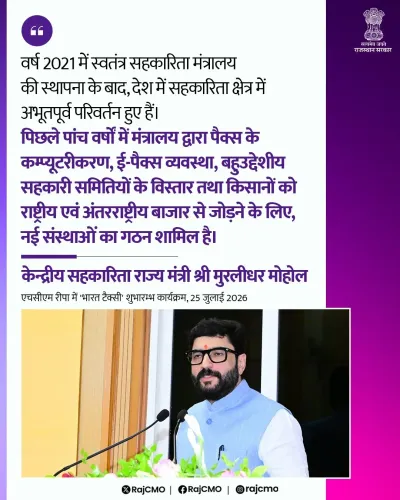
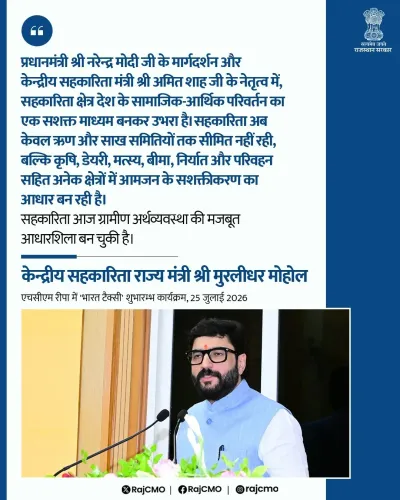
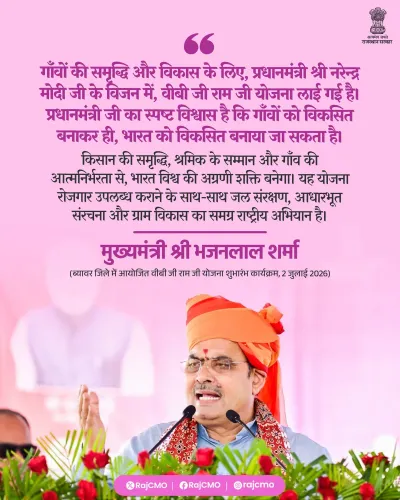
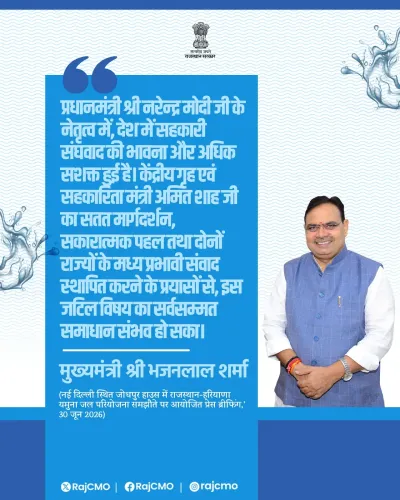
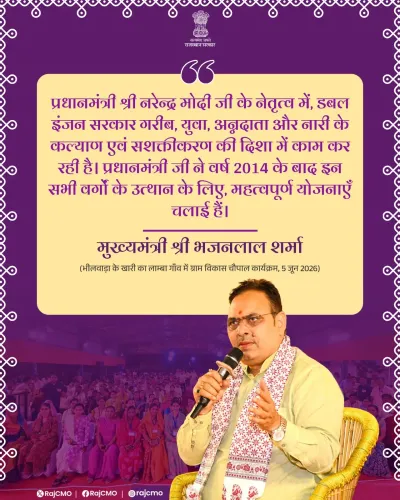
Every village in India prosperous through cooperatives — that is the stated goal Prime Minister Narendra Modi has set for the country, and the Chief Minister's Office of Rajasthan is making clear the state stands behind it. On Monday, 17 August 2026, the official Rajasthan CMO account posted the message, tagging Union Home and Cooperation Minister Amit Shah under the hashtag #आपणो_अग्रणी_राजस्थान ('Our Leading Rajasthan').
The post, in Hindi, reads: 'Prime Minister Shri Narendra Modi's goal is that through cooperatives, every village of the country should be prosperous.' The tag to Amit Shah — the minister who holds the Cooperation portfolio — signals this is not ceremonial alignment. It is a direct nod to the institutional machinery Shah has been building since the Ministry of Cooperation was established in July 2021.Why a dedicated Ministry of Cooperation changed the equation
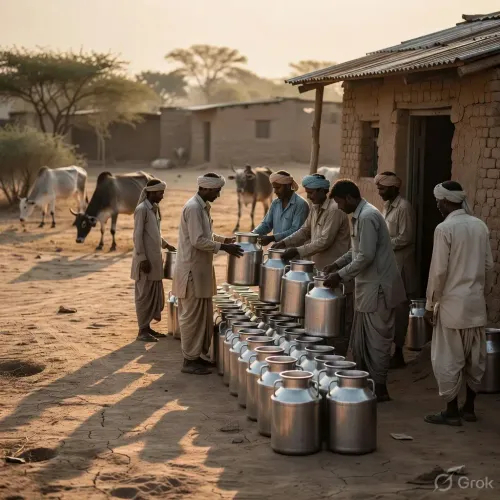
Before 2021, cooperative policy was spread across multiple departments with no single nodal authority. The creation of a standalone ministry gave the sector its first dedicated cabinet-level champion. Amit Shah was handed that portfolio alongside Home Affairs — an unusual pairing that underscored how seriously the central government treats cooperatives as a vehicle for rural economic integration. The model is not new to India. States like Gujarat and Maharashtra built world-class dairy and credit cooperative networks over decades. The central push now seeks to replicate and scale that success nationwide — moving cooperatives beyond milk and loans into broader rural economic activity: warehousing, agri-processing, retail, and digital services.Rajasthan's signal and what comes next
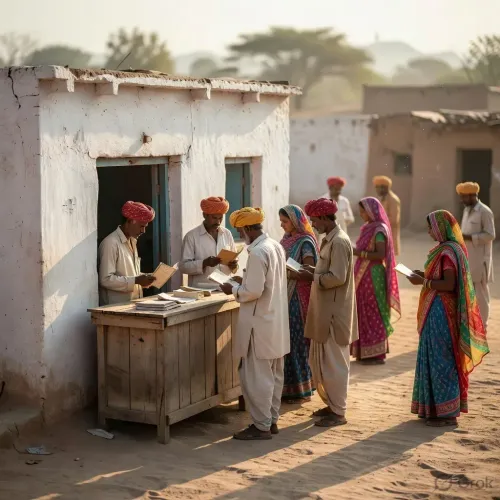
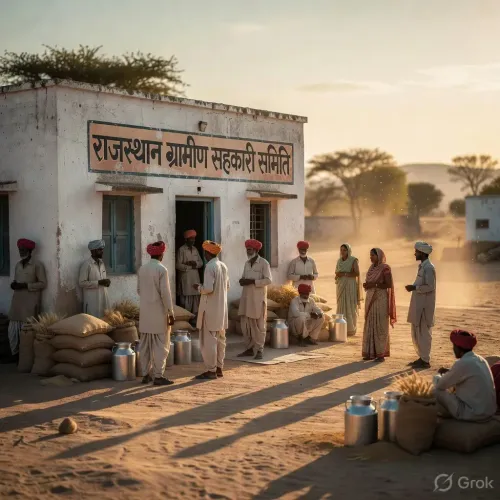
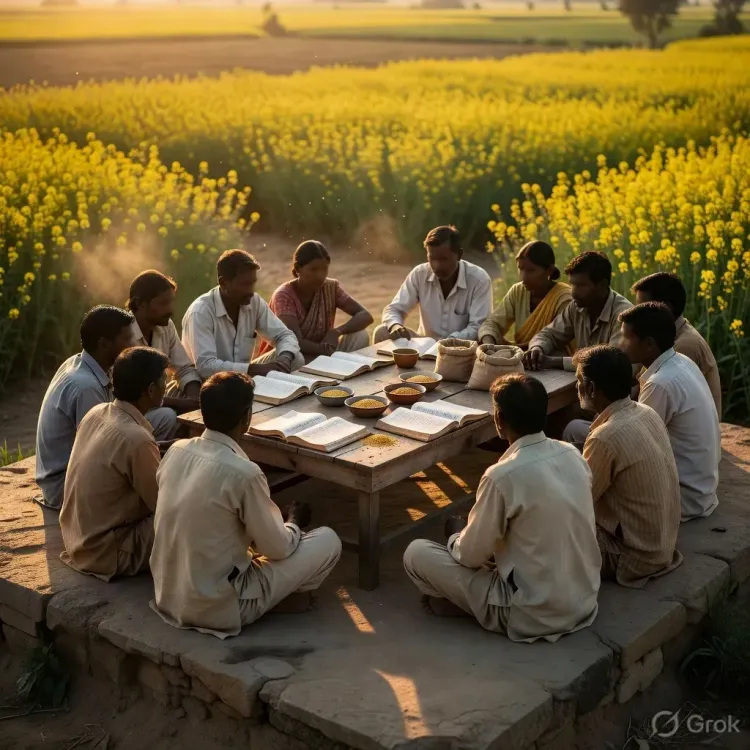
For Rajasthan — a large, predominantly rural state — cooperative expansion carries real stakes. Village-level economic inclusion remains uneven, and a well-supported cooperative network could provide farmers and rural households with market access, credit, and storage infrastructure they currently lack. The CMO's post, framed under 'Our Leading Rajasthan,' suggests the state government is positioning itself as a front-runner in rolling out the central cooperative agenda. Watchers will now track whether joint announcements between the Rajasthan government and the Ministry of Cooperation follow — concrete schemes, funding allocations, or new cooperative registrations that give this political alignment a measurable shape. Words on X are easy. The villages are waiting for the institutions.Point of View
Not a routine retweet. By tagging Amit Shah directly, the state government is staking a claim to be seen as a cooperative-sector front-runner — a position that could translate into preferential access to central scheme funding. This fits a broader BJP pattern of using cooperative policy as a rural outreach tool, drawing on Gujarat's dairy-cooperative success story as a national template. The real test will be whether Rajasthan follows the rhetoric with institutional action: new cooperative registrations, state budget allocations, or joint MoUs with the Ministry of Cooperation.
NationPress
1 Oct 2026
Frequently Asked Questions
What is PM Modi's goal for cooperatives in India?
PM Modi's stated goal is that every village in India should become prosperous through the cooperative model, expanding it beyond traditional dairy and credit societies into broader rural economic activities.
Why was the Ministry of Cooperation created in India?
The Ministry of Cooperation was established in July 2021 to give the cooperative sector a dedicated cabinet-level focus, consolidating policy that was previously scattered across multiple departments. Amit Shah was appointed its first minister.
What is Amit Shah's role in India's cooperative sector?
Amit Shah holds the Cooperation portfolio alongside Home Affairs, making him the nodal minister responsible for national cooperative policy, new institutional frameworks, and expanding the cooperative model to rural India.
What does 'Aapno Agrani Rajasthan' mean?
'Aapno Agrani Rajasthan' translates from Rajasthani/Hindi as 'Our Leading Rajasthan' — a campaign hashtag used by the Rajasthan government to signal the state's ambition to be a front-runner in development initiatives.
How can cooperatives help villages in Rajasthan?
Cooperative networks can give rural households in Rajasthan better access to credit, agricultural markets, warehousing, and processing infrastructure — addressing gaps that currently limit rural income and economic inclusion.