CM Fadnavis Joins PM Modi for Tribal Welfare Push on Janjatiya Gaurav Diwas
Synopsis
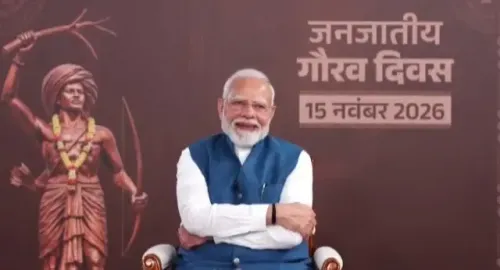
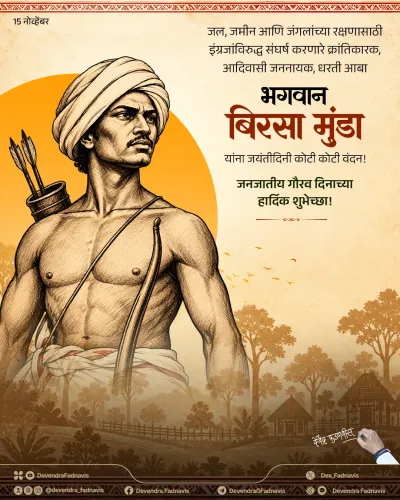
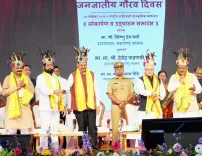
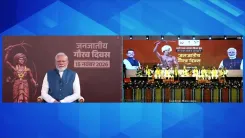
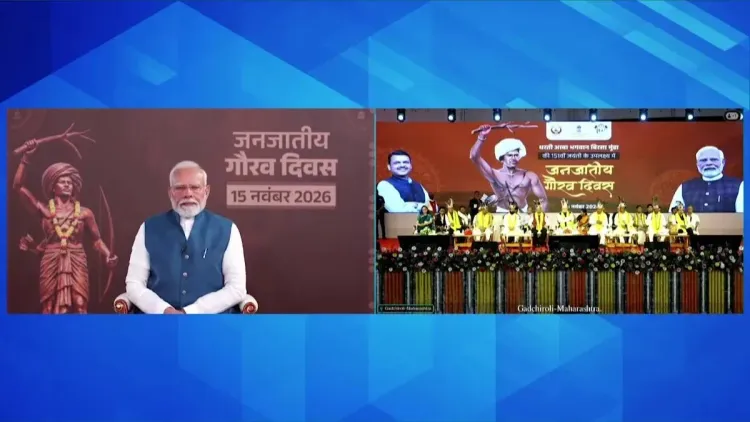
PM Narendra Modi virtually inaugurated 38 Eklavya Model Residential Schools, 100 PM-JANMAN Multi-Purpose Centres, and a tribal freedom fighter museum on Janjatiya Gaurav Diwas, with CM Devendra Fadnavis and Governor Jishnu Dev Varma present at Maharashtra's event marking Birsa Munda's 151st birth anniversary.
Key Takeaways
38 Eklavya Model Residential Schools were inaugurated by PM Modi on 15 November 2026 as part of Janjatiya Gaurav Diwas celebrations.
100 Multi-Purpose Centres under the PM-JANMAN scheme were commissioned, targeting Particularly Vulnerable Tribal Group communities.
Foundation stones were laid for 19 more EMRS , 12 Tribal Multipurpose Marketing Centres , and 22 Ashram School projects .
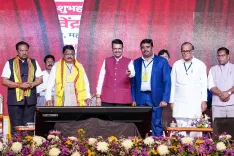
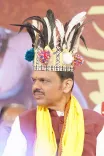
CM Devendra Fadnavis and Governor Jishnu Dev Varma represented Maharashtra at the event, with Gadchiroli district highlighted in official communications.
The Ropuiliani Tribal Freedom Fighter Museum and a Tribal Research Institute building in Itanagar were among the cultural and institutional projects inaugurated.
Janjatiya Gaurav Diwas, observed every 15 November since 2021 , has become the government's principal annual occasion for bundling tribal welfare announcements.
On the 151st birth anniversary of Bhagwan Birsa Munda — the tribal leader and freedom fighter revered as Dharti Aaba (Father of the Earth) — Prime Minister Narendra Modi inaugurated and laid foundation stones for a sweeping cluster of tribal welfare projects across the country on 15 November 2026, with Maharashtra Governor Jishnu Dev Varma and Chief Minister Devendra Fadnavis present at the state-level event. The occasion, observed nationally as Janjatiya Gaurav Diwas, saw the government deploy one of its largest single-day packages of tribal education and infrastructure commitments in recent memory.
What was inaugurated: 38 schools, 100 centres, and a freedom fighter museum
The inaugural list is formidable in its breadth. 38 Eklavya Model Residential Schools (EMRS) were formally opened — residential institutions designed to bring quality education to Scheduled Tribe students in India's remotest corners. Alongside them, 100 Multi-Purpose Centres (MPCs) under the PM-JANMAN scheme were commissioned, targeting the country's most vulnerable tribal communities. A Tribal Research Institute building in Itanagar, a Ropuiliani Tribal Freedom Fighter Museum, 18 Ashram School projects, 2 Centres of Competence, and 1 Tribal Multipurpose Marketing Centre (TMMC) rounded out the inaugurations.
Foundation stones were simultaneously laid for 19 more EMRS, 12 additional TMMCs, 22 Ashram School projects, 6 hostels, and 14 infrastructure projects — signalling a pipeline of construction that will extend the government's tribal development footprint well into the next few years.
Birsa Munda's anniversary as a policy calendar anchor
Janjatiya Gaurav Diwas was instituted in 2021 to be observed every 15 November in honour of Birsa Munda's birth anniversary. Since then, it has become a reliable annual moment for the central government to bundle major announcements for tribal communities. The EMRS scheme received a landmark expansion in the 2018–19 Union Budget, targeting hundreds of new schools across Scheduled Areas. PM-JANMAN, announced in 2023, focuses specifically on 75 Particularly Vulnerable Tribal Group (PVTG) communities, channelling multi-sectoral infrastructure into settlements that have historically remained at the margins of development programmes.
Maharashtra's prominent role in today's event is consistent with its demographics. The state hosts a significant tribal population concentrated in districts such as Gadchiroli — where development deficits in education, connectivity, and economic access remain acute. CM Fadnavis and Governor Varma lending their physical presence to the programme signals that state machinery is aligned behind the central rollout of these schemes.
Gadchiroli in the frame, marketing centres in the mix
The hashtag #DiscoverGadchiroli tagged in the official post points to a deliberate effort to highlight the district — long associated with Left-Wing Extremism — as a site of developmental transformation. The addition of Tribal Multipurpose Marketing Centres, both inaugurated and foundation-laid, is notable: TMMCs are designed to give tribal producers direct market access, cutting out intermediaries and improving economic returns for communities that have been structurally excluded from mainstream commerce.
The combination of residential schools, marketing infrastructure, and PM-JANMAN-linked MPCs reflects a government strategy of addressing tribal disadvantage across three simultaneous axes — education, livelihood, and basic infrastructure — rather than through isolated scheme-by-scheme interventions.
With dozens of projects now under construction and a fresh class of inaugurated schools awaiting students, the real measure of this anniversary commitment will arrive in enrollment figures, operational readiness, and the speed of construction on those foundation-stone projects. Birsa Munda's legacy, invoked annually, deserves nothing less than delivery.
Point of View
Marketing centres, and PM-JANMAN infrastructure — reflects the central government's deliberate strategy of using Janjatiya Gaurav Diwas as a high-visibility delivery window for tribal welfare commitments, compressing multiple scheme milestones into one commemorative moment. Maharashtra's prominence in the event, underscored by CM Fadnavis's presence and the Gadchiroli reference, suggests the state is positioning itself as a model for Centre-state coordination on tribal development — particularly significant given Gadchiroli's historical LWE context. The simultaneous inauguration and foundation-stone laying signals a maturing pipeline rather than a single-year burst. The genuine test, however, lies downstream: whether newly inaugurated EMRS achieve full enrolment, whether TMMCs generate sustained tribal income, and whether PM-JANMAN's PVTG focus translates into measurable livelihood improvements before the next anniversary cycle resets the scorecard.
NationPress
15 Nov 2026
Frequently Asked Questions
What is Janjatiya Gaurav Diwas and why is it celebrated on 15 November?
Janjatiya Gaurav Diwas is observed every 15 November to mark the birth anniversary of tribal leader and freedom fighter Bhagwan Birsa Munda . The day was instituted in 2021 to honour India's tribal heritage and to announce major welfare initiatives for Scheduled Tribe communities.
How many Eklavya Model Residential Schools were inaugurated on Janjatiya Gaurav Diwas 2026?
38 Eklavya Model Residential Schools (EMRS) were inaugurated by PM Modi on 15 November 2026 . Foundation stones for 19 additional EMRS were also laid at the same event.
What is PM-JANMAN and who does it target?
PM-JANMAN (Pradhan Mantri Janjatiya Unnat Gram Abhiyan) was launched in 2023 to improve infrastructure and living standards for 75 Particularly Vulnerable Tribal Group (PVTG) communities across India through multi-sectoral interventions including housing, roads, and community centres.
What was CM Devendra Fadnavis's role in the Janjatiya Gaurav Diwas event?
CM Devendra Fadnavis was physically present at the Maharashtra state-level event alongside Governor Jishnu Dev Varma , representing the state government as PM Modi participated virtually and inaugurated the nationwide cluster of tribal welfare projects.
What is the significance of Gadchiroli being highlighted in the Janjatiya Gaurav Diwas 2026 announcements?
Gadchiroli is a tribal-majority district in Maharashtra historically affected by Left-Wing Extremism and development deficits. Its inclusion via the #DiscoverGadchiroli hashtag in official communications signals a government push to reframe the district as a site of active development and improved tribal welfare delivery.