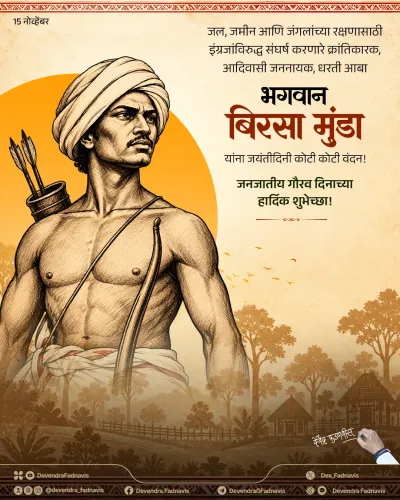
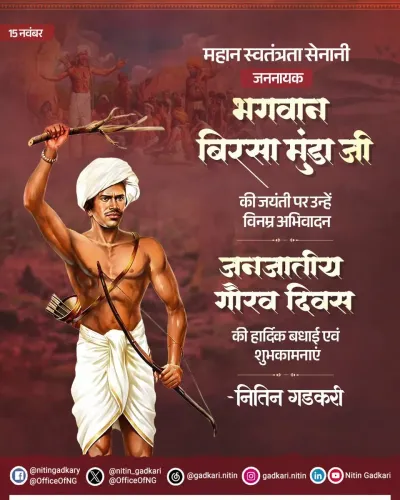
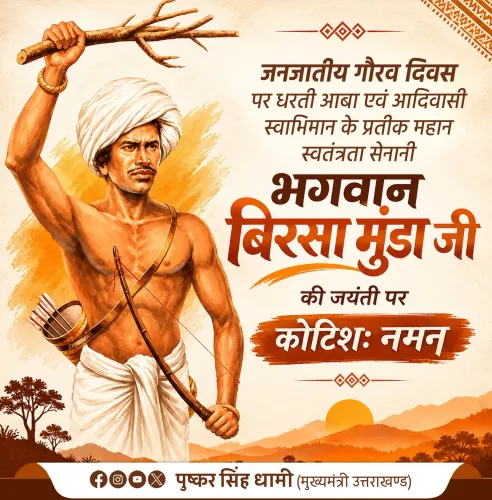
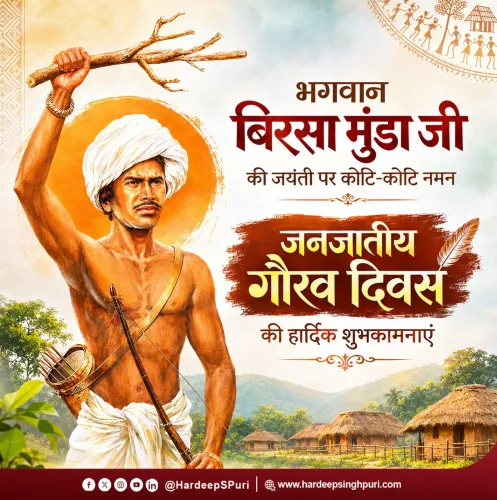
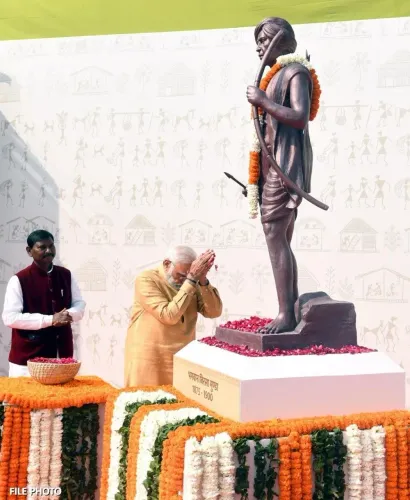
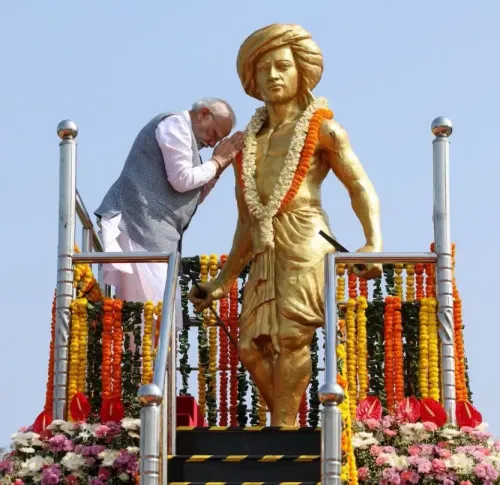
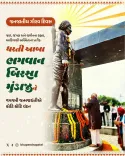
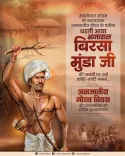
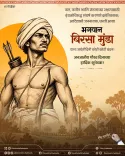
PM Modi pays tribute to Birsa Munda on Janjatiya Gaurav Divas
Synopsis
Prime Minister Narendra Modi marked Janjatiya Gaurav Divas on 15 November 2026 by paying tribute to Bhagwan Birsa Munda, the 19th-century Munda tribal leader, and reaffirming his government's commitment to the honour, opportunity and prosperity of India's tribal communities.
Key Takeaways
Prime Minister Narendra Modi posted a tribute to Bhagwan Birsa Munda on his birth anniversary, 15 November 2026 .
Janjatiya Gaurav Divas is a national observance instituted in 2021 and held every year on 15 November to honour tribal freedom fighters.
Birsa Munda, known as Dharti Aaba (Father of the Earth), led the Ulgulan movement against British land policies in present-day Jharkhand .
Modi pledged that his government is 'leaving no stone unturned' for the honour, opportunity and prosperity of Scheduled Tribe communities.
Constitutional protections for tribal areas — including the Fifth Schedule and PESA — form the legal backdrop against which these annual commemorations are framed.
A freedom fighter born in the forests of what is now Jharkhand continues to shape India's political conscience more than a century after his death. On Sunday, 15 November 2026 — the birth anniversary of Bhagwan Birsa Munda — Prime Minister Narendra Modi offered his deepest salutations to the tribal icon, calling on every Indian to honour the irreplaceable contribution of tribal communities to the nation's story.
Writing in Hindi, the Prime Minister extended greetings for Janjatiya Gaurav Divas, the national observance held every 15 November to mark Birsa Munda's birth anniversary. 'Dharti Aaba ka adamya sahas, sangharsh aur balidaan' — 'Dharti Aaba's indomitable courage, struggle and sacrifice' — the Prime Minister wrote, 'will continue to inspire every generation of this country to protect self-respect, freedom and rights.'
Who was Dharti Aaba — and why the name endures
Birsa Munda, revered as Dharti Aaba (Father of the Earth), was a 19th-century leader from the Munda tribal community who mounted a fierce resistance — the Ulgulan movement — against British land-grab policies that were dispossessing his people. His assertion of tribal land rights, dignity and spiritual identity made him a defining figure of India's pre-independence resistance. He died in 1900, aged just around 25, but his legacy outlasted the empire that imprisoned him.
The name 'Bhagwan' — literally 'God' — was not bestowed by the state; it was given by his own people, a measure of how profoundly he reshaped their sense of self-worth and possibility.
Janjatiya Gaurav Divas: from commemoration to national calendar
The Government of India formally instituted Janjatiya Gaurav Divas in 2021, anchoring the annual observance to 15 November to spotlight the contributions of Scheduled Tribe communities to India's freedom struggle and cultural heritage. The move placed tribal freedom fighters on the same commemorative plane as figures celebrated through long-established national holidays — a deliberate act of historical rebalancing.
This year's message follows that established pattern, with the Prime Minister pledging that his government 'is leaving no stone unturned for the honour, opportunity and prosperity of our tribal brothers and sisters.' He closed with an appeal for collective recognition: 'Let us all together pay tribute to the invaluable contribution of tribal society in nation-building.'
Tribal welfare as a continuing policy anchor
Indian governments across eras have used commemorations of tribal icons to reconnect historical resistance narratives with contemporary constitutional protections — the Fifth Schedule, the Panchayats (Extension to Scheduled Areas) Act (PESA), and targeted welfare allocations. The present administration has consistently framed tribal development as central to its inclusive-growth agenda, using anniversaries like this one to reinforce that positioning publicly.
The specific details of any new schemes tied to this year's observance remain to be announced, but parliamentary budget cycles in the coming months will offer the clearest test of how firmly that commitment is backed by rupees on the ground.
One hundred and twenty-six years after Birsa Munda died in a colonial jail, his name still commands a national holiday — and that, more than any speech, is the measure of what he built.
Point of View
The Prime Minister's post does double duty: it commemorates a figure who commands cross-partisan respect while simultaneously signalling electoral attentiveness to Scheduled Tribe constituencies. The institutionalisation of 15 November as a national observance in 2021 was itself a political calibration, elevating tribal freedom fighters to the same commemorative tier as other national icons. Whether the rhetoric translates into measurable improvements in tribal land rights, education and economic indices will be the sharper question when Parliament's budget session opens. For now, the anniversary gives the government a high-visibility moment to frame tribal development as a civilisational debt being actively repaid.
NationPress
15 Nov 2026
Frequently Asked Questions
What is Janjatiya Gaurav Divas and when is it celebrated?
Janjatiya Gaurav Divas is a national observance held every year on 15 November to mark the birth anniversary of tribal leader Bhagwan Birsa Munda and to recognise the contributions of Scheduled Tribe communities to India's freedom struggle and cultural heritage. It was instituted by the Government of India in 2021 .
Who was Bhagwan Birsa Munda?
Bhagwan Birsa Munda was a 19th-century tribal leader from the Munda community in present-day Jharkhand . Revered as Dharti Aaba (Father of the Earth), he led the Ulgulan movement against British land-dispossession policies and became a defining symbol of tribal self-respect and resistance. He died in 1900 at approximately 25 years of age.
What did PM Modi say on Janjatiya Gaurav Divas 2026?
Prime Minister Narendra Modi offered salutations to Bhagwan Birsa Munda on behalf of all Indians, saying that Dharti Aaba's courage, struggle and sacrifice would inspire every generation to protect self-respect, freedom and rights. He also pledged that his government is leaving no stone unturned for the honour, opportunity and prosperity of tribal brothers and sisters.
Why is Birsa Munda called Dharti Aaba?
Dharti Aaba , meaning 'Father of the Earth', is an honorific given to Birsa Munda by his own Munda community in recognition of his role in defending their land rights, asserting tribal identity, and inspiring a profound sense of dignity and self-determination among tribal peoples of the region.
What constitutional protections exist for tribal areas in India?
India's tribal areas are protected primarily through the Fifth Schedule of the Constitution, which governs the administration of Scheduled Areas, and the Panchayats (Extension to Scheduled Areas) Act, PESA , which extends local self-governance rights to tribal communities. These frameworks are frequently cited alongside commemorations of tribal icons such as Birsa Munda .