CM Bhajan Lal attends Cooperation Ministry's 5-year event
Synopsis
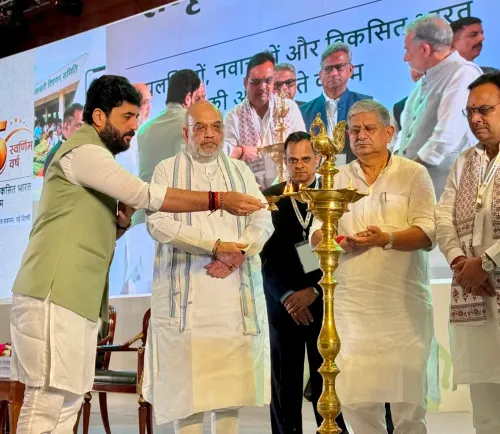
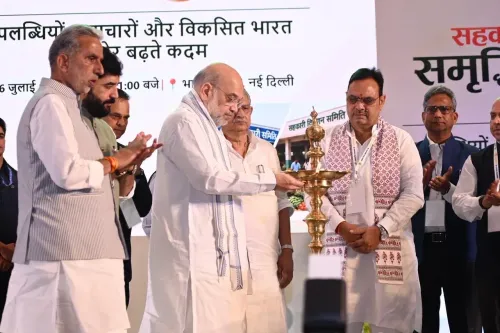
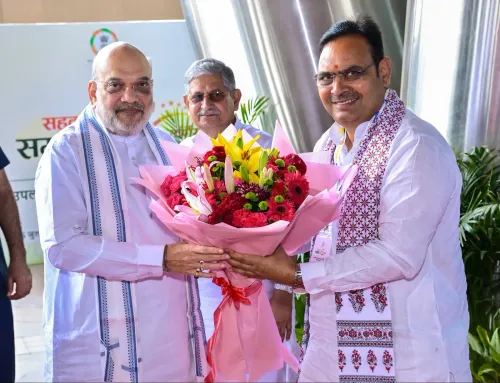
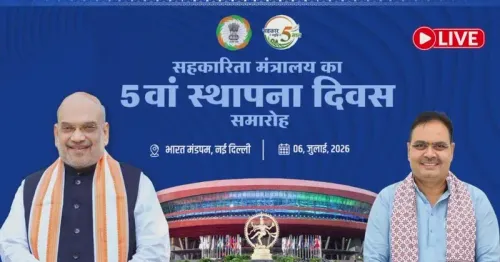
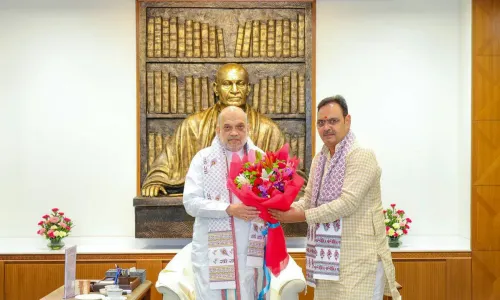
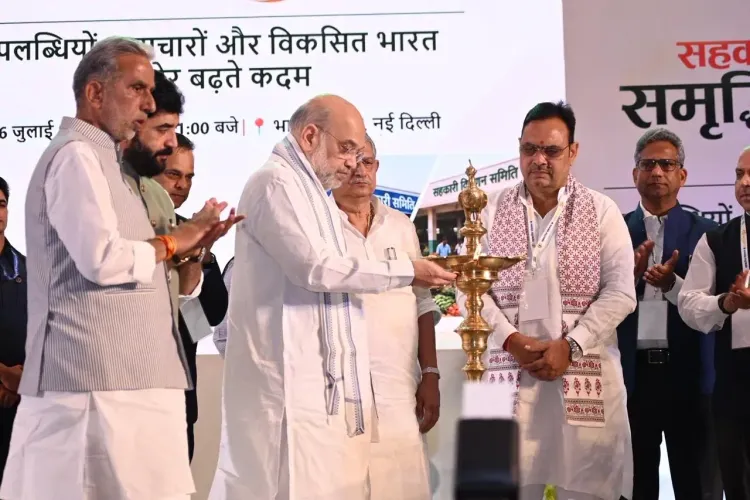
Rajasthan CM Bhajan Lal Sharma joined Union Home and Cooperation Minister Amit Shah in New Delhi on 6 July 2026 to mark five years of the Ministry of Cooperation. Sharma reaffirmed Rajasthan's commitment to the Sahkar se Samriddhi vision aimed at empowering rural and agricultural communities through the cooperative movement.
Key Takeaways
Rajasthan Chief Minister Bhajan Lal Sharma attended the five-year anniversary event of the Union Ministry of Cooperation in New Delhi on 6 July 2026 .
Union Minister Amit Shah addressed the event, reiterating the Sahkar se Samriddhi vision and new resolutions for rural and agricultural empowerment.
The Ministry of Cooperation was established in July 2021 as a standalone department focused on India's cooperative sector.
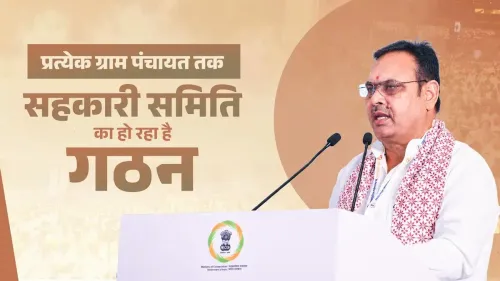
CM Sharma declared Rajasthan fully committed to implementing the Sahkar se Samriddhi vision at the grassroots level.
Senior ministers including Lalan Singh and Murlidhar Mohol were also present at the event.
The cooperative push is linked to the broader Atmanirbhar Bharat agenda, targeting rural self-reliance through farmer-owned institutions.
Rajasthan Chief Minister Bhajan Lal Sharma attended a grand event in New Delhi on Monday, 6 July 2026, marking the completion of five years of the Union Ministry of Cooperation. The event was addressed by Union Home and Cooperation Minister Amit Shah, who outlined fresh commitments to empower the country's rural and agricultural sectors through the cooperative movement.
Context
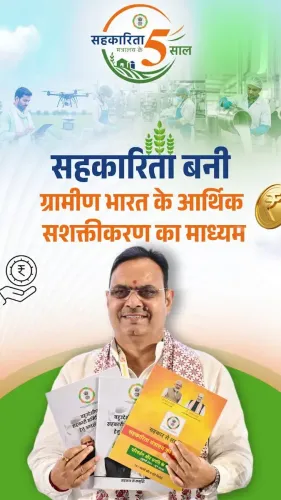
Sharma shared his experience from the event on X, writing that he received 'माननीय केंद्रीय गृह एवं सहकारिता मंत्री श्री Amit Shah जी का मार्गदर्शन' ('the guidance of Union Home and Cooperation Minister Amit Shah') at the occasion. He noted that Shah underscored the vision of 'सहकार से समृद्धि' ('prosperity through cooperation') and shared new resolutions to strengthen the rural and farm sector. Sharma also reaffirmed that Rajasthan is fully committed to translating this vision on the ground.
Also present at the event were Union Minister for Fisheries, Animal Husbandry and Dairying, and Panchayati Raj Lalan Singh; Union Minister of State for Cooperation K. P. Gangwal; and Union Minister of State for Cooperation and Civil Aviation Murlidhar Mohol, along with other dignitaries.
Policy Backdrop
The Ministry of Cooperation was established in July 2021, carved out as a standalone department to give dedicated policy focus to India's vast cooperative sector — spanning credit societies, dairy, fisheries, and agricultural marketing. Before this, cooperative affairs were handled within the broader Agriculture Ministry framework. The creation of the ministry was widely seen as a structural commitment by the central government to revive and modernise the cooperative model.
Since its formation, the ministry has pursued initiatives including the computerisation of Primary Agricultural Credit Societies (PACS) and the integration of cooperatives into dairy and agri-value chains. The overarching policy frame — Sahkar se Samriddhi — positions farmer-owned cooperative institutions as vehicles for rural self-reliance, directly linking the cooperative push to the broader Atmanirbhar Bharat agenda.
Stakeholders and Impact
The cooperative sector in India encompasses tens of millions of rural farmers and members of credit, dairy, and marketing societies. Strengthening these institutions has direct implications for agricultural income, rural credit access, and village-level economic activity. State governments play a pivotal role in operationalising central cooperative policy, making Rajasthan's stated commitment significant given the state's large agrarian population.
Sharma's presence at the event signals active coordination between the Rajasthan state government and the central ministry. His post emphasised that the cooperative movement is 'touching new milestones of self-reliance in every corner of the country' under Shah's leadership — framing state-level alignment as part of a national momentum.
What's Next
Attention will now turn to whether Rajasthan announces state-specific cooperative projects or policy measures in the weeks following the event, building on the commitments articulated at the New Delhi function. At the national level, any follow-up announcements on a new cooperative policy framework or dedicated budget allocations for the sector's next phase will be closely watched. The five-year milestone sets a natural inflection point for the ministry to chart its next cycle of reforms and outreach.
Point of View
Sharma reinforces the vertical coordination between state and Centre that is central to the BJP's cooperative federalism narrative. The event also signals that the cooperative sector — long seen as a legacy Congress stronghold through institutions like IFFCO and NAFED — is being actively reframed as a BJP governance achievement.
NationPress
5 Oct 2026
Frequently Asked Questions
What is the Ministry of Cooperation and when was it formed?
The Ministry of Cooperation is a standalone Union ministry created in July 2021 to give dedicated policy focus to India's cooperative sector, covering credit societies, dairy, fisheries, and agricultural marketing. It was carved out from the Agriculture Ministry framework.
What is Sahkar se Samriddhi?
Sahkar se Samriddhi, meaning 'prosperity through cooperation', is the core vision of the Ministry of Cooperation. It aims to strengthen farmer-owned cooperative institutions to drive rural self-reliance and agricultural income growth.
Why did Rajasthan CM Bhajan Lal Sharma attend the cooperation ministry event?
CM Sharma attended the five-year anniversary event of the Union Ministry of Cooperation in New Delhi on 6 July 2026 to receive guidance from Union Minister Amit Shah and reaffirm Rajasthan's commitment to implementing the Sahkar se Samriddhi vision at the state level.
What did Amit Shah say at the cooperation ministry anniversary event?
According to CM Sharma's post, Amit Shah underscored the Sahkar se Samriddhi vision and shared new resolutions to empower the country's rural and agricultural sectors through the cooperative movement.
How is Rajasthan involved in India's cooperative sector development?
Rajasthan, under CM Bhajan Lal Sharma, has committed to aligning its state cooperative institutions with the central government's Sahkar se Samriddhi framework, working to translate the national cooperative vision into ground-level implementation across the state's large agrarian population.