CM Rekha Gupta Expands Arpan Kendra Cloth Drive at Delhi Metro
Synopsis
Delhi CM Rekha Gupta has highlighted the Arpan Kendra initiative — 10 clothing collection centres at Delhi Metro stations under the Seva Sankalp Abhiyan — that channels unused clothes into reuse, recycling and upcycling while creating livelihood opportunities for women.
Key Takeaways
Arpan Kendra is a clothing collection initiative operating at 10 Delhi Metro stations , making drop-offs convenient for daily commuters.
Donated clothing is routed into reuse, recycling, and upcycling to reduce textile waste in the capital.
The programme is designed to generate sustainable livelihood opportunities for women as part of its circular-economy model.
It operates under the Seva Sankalp Abhiyan , a broader service and sustainability campaign promoted by Delhi CM Rekha Gupta .
The initiative aligns with the national waste-reduction framework established by the Swachh Bharat Mission in 2014 .
Expansion beyond the initial 10 centres and government data on collected volumes and jobs created are the key metrics to watch.
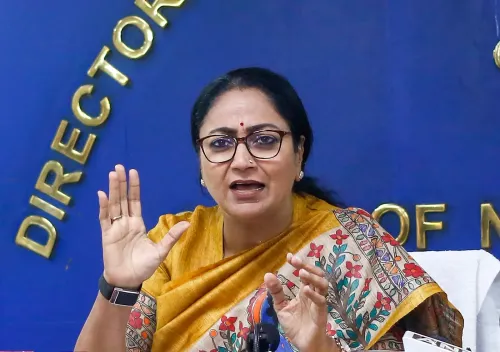
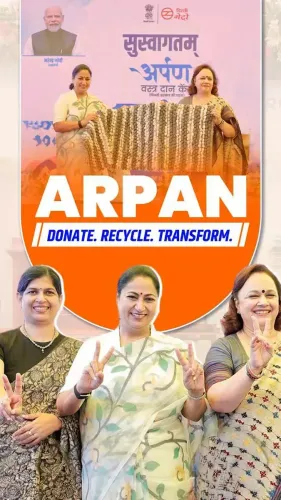
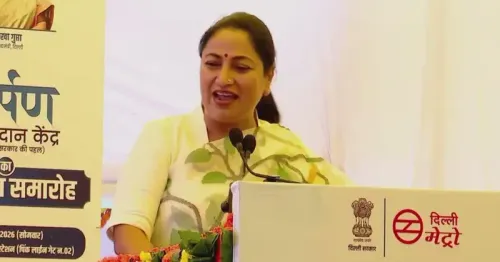
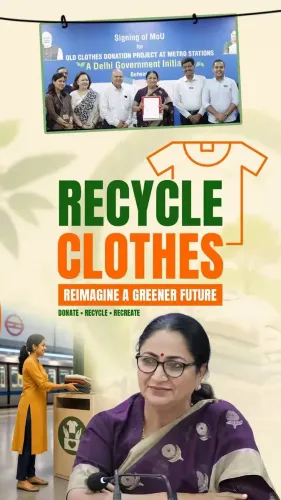
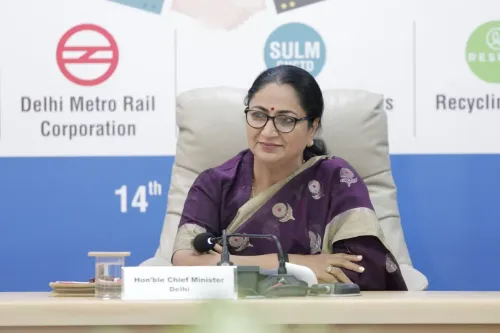
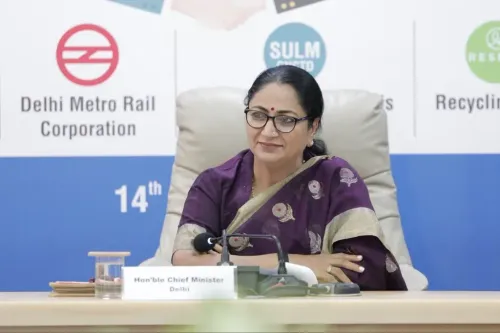
A pile of unworn clothes gathering dust in a cupboard can now find a second life — and help a woman build one too. Delhi Chief Minister Rekha Gupta on Friday, 25 September 2026, spotlighted the Arpan Kendra initiative, calling on Delhi residents to drop unused clothing at designated collection centres now operating at 10 Delhi Metro stations under the Seva Sankalp Abhiyan.
The pitch is elegantly circular: clothes that households no longer need are channelled into a pipeline of reuse, recycling, and upcycling — cutting textile waste while simultaneously generating sustainable livelihood opportunities for women in the capital.
What Arpan Kendra does and where to find one
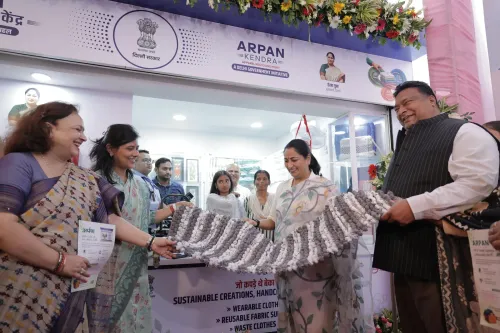
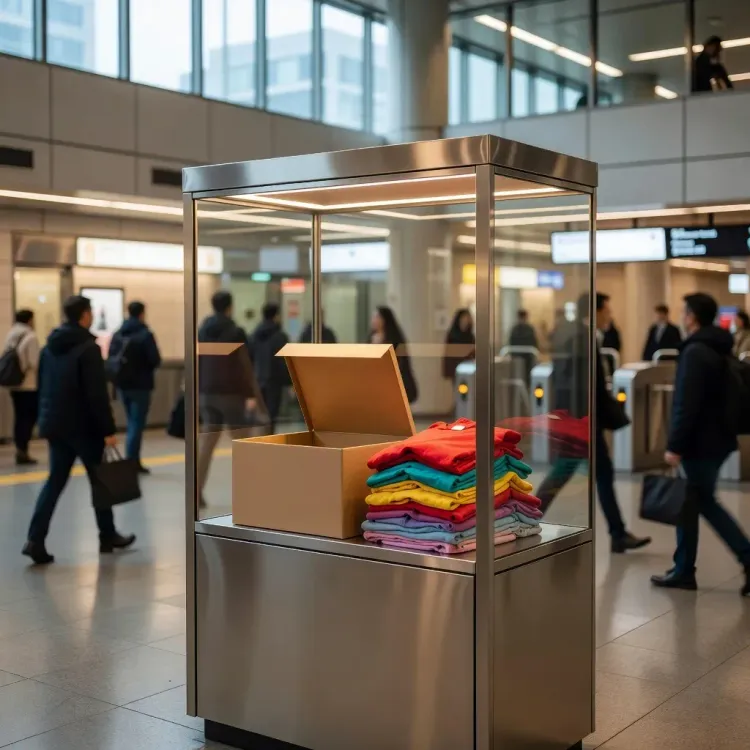
The Arpan Kendra centres are positioned at Delhi Metro stations, chosen deliberately for their footfall and accessibility. Metro stations function as natural aggregation points — millions of commuters pass through daily, making a drop-off as convenient as a coffee run. The model sidesteps a perennial problem in urban recycling drives: collection inconvenience is usually what kills participation. By embedding the kiosks inside the transit network, the programme removes that friction entirely. Donated clothing is then sorted and directed toward three outcomes — direct reuse, material recycling, or upcycling into new products — closing the loop on what would otherwise become landfill-bound textile waste. India generates millions of tonnes of textile waste annually, a figure that has grown sharply alongside fast-fashion consumption in urban centres.Women's livelihoods at the heart of the model
The initiative's second axis is economic. Processing, sorting, and upcycling donated clothing creates work, and the Seva Sankalp Abhiyan frames this explicitly as a livelihood opportunity for women. Indian urban policy has increasingly linked waste-reduction targets with women-led self-help groups and circular-economy pilots — Arpan Kendra fits squarely in that lineage. The broader policy current runs back to the Swachh Bharat Mission, launched in 2014, which established waste segregation and recycling infrastructure as a national priority. Arpan Kendra takes that framework a step further by grafting a social-employment layer onto what might otherwise be a straightforward collection drive.Beyond 10 stations: what comes next
The current footprint of 10 metro-station centres is clearly a pilot scale. The question Delhi's urban planners and civic groups will now track is how fast the network expands — and whether the government releases hard data on collected volumes and jobs created. Both metrics will determine whether Arpan Kendra becomes a replicable model for other Indian cities wrestling with textile waste and urban women's employment at the same time. A second life for an old kurta. A first step toward a steady income. Sometimes the smallest drop-off changes the most.Point of View
The Delhi government is borrowing a proven behavioural-design trick: embed the desired action in an existing daily routine. The Seva Sankalp Abhiyan framing also signals that the BJP-led Delhi administration is keen to associate civic sustainability with grassroots service imagery ahead of a potential rollout beyond the pilot phase. The real test will be whether operational data — volumes collected, women employed, garments upcycled — is made public, which would set a transparency benchmark for similar schemes nationally.
NationPress
26 Sept 2026
Frequently Asked Questions
What is Arpan Kendra in Delhi?
Arpan Kendra is a clothing collection initiative launched in Delhi where residents can drop off unused clothes at designated centres, currently located at 10 Delhi Metro stations . The clothes are then reused, recycled, or upcycled to reduce textile waste and support women's livelihoods.
Where can I donate clothes at Delhi Metro stations?
Arpan Kendra drop-off points are available at 10 Delhi Metro stations . The initiative encourages commuters to bring unused clothing and deposit it at these centres for redistribution and recycling.
What is Seva Sankalp Abhiyan?
Seva Sankalp Abhiyan is a campaign under which Delhi CM Rekha Gupta is promoting service and sustainability initiatives, including the Arpan Kendra textile collection drive.
How does Arpan Kendra help women?
The Arpan Kendra model creates sustainable livelihood opportunities for women by employing them in the sorting, processing, and upcycling of donated clothing, linking waste reduction with economic empowerment.
Is Arpan Kendra related to Swachh Bharat Mission?
While Arpan Kendra is a Delhi government initiative under the Seva Sankalp Abhiyan, it aligns with the broader waste-reduction and recycling priorities established nationally by the Swachh Bharat Mission since 2014 .