Delhi Metro launches Old Clothes Donation Project at 10 stations with DMRC-govt MoU
Synopsis
Delhi is turning its Metro stations into textile recycling hubs. The Old Clothes Donation Project — backed by a formal MoU between DMRC, the Delhi government, and two recycling organisations — will place 'Arpan' drop-off centres at 10 stations, with SHG women running operations and upcycling donated clothes into saleable products. It is one of the few urban textile-waste schemes in India that explicitly integrates women's livelihood with environmental goals.
Key Takeaways
DMRC , DLWO , SULM , Clothes Box Foundation , and Respun signed an MoU on 14 July to launch the Old Clothes Donation Project in Delhi.
10 'Arpan' Kendras will be set up at Delhi Metro stations including Hauz Khas , Lajpat Nagar , and Dwarka for clothes drop-off from 7 am to 7 pm .
Donated clothes will be sorted into three streams: upcyclable garments, industrially recyclable fabric, and sacred/ritual clothing.
Centres will be operated by Self-Help Group women trained in upcycling under the Delhi government's SULM programme.
The initiative will expand beyond the initial 10 stations to cover all parts of Delhi in subsequent phases.
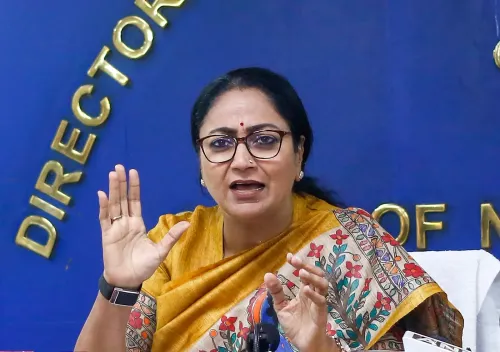
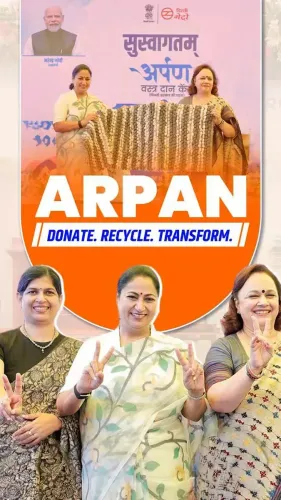
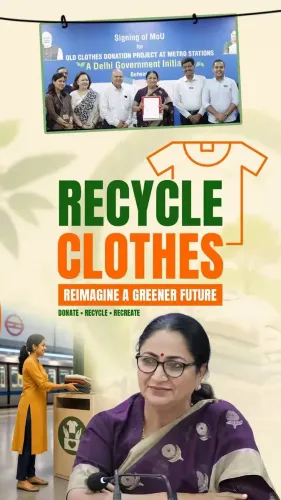
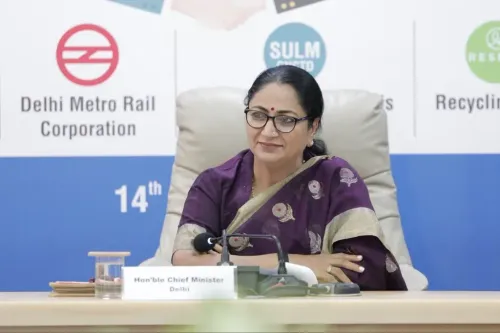
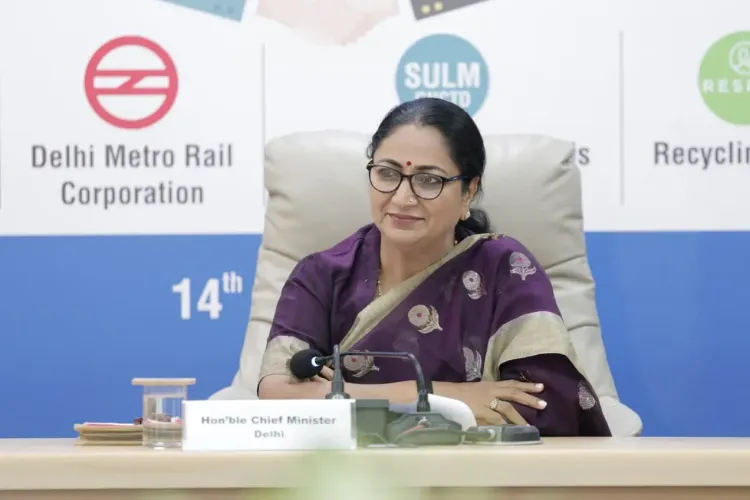
Delhi's textile waste problem has a new institutional answer. The Delhi Metro Rail Corporation (DMRC) and the DMRC Ladies Welfare Organisation (DLWO) on Tuesday, 14 July signed a Memorandum of Understanding (MoU) with the Delhi government to launch the Old Clothes Donation Project — a structured initiative to collect, sort, upcycle, and recycle used garments from households across the capital. The signing took place in the presence of Chief Minister Rekha Gupta.
What the MoU Covers
The agreement was signed between DMRC, DLWO, the Delhi government's State Urban Livelihood Mission (SULM), and two textile recycling organisations — Clothes Box Foundation and Respun. Together, these partners will manage the full cycle of collection, segregation, upcycling, and recycling of donated garments. DMRC Managing Director Vikas Kumar and representatives of all partner organisations were present at the signing.
The Arpan Kendras: How Collection Will Work
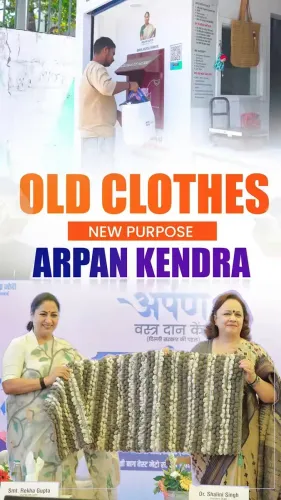
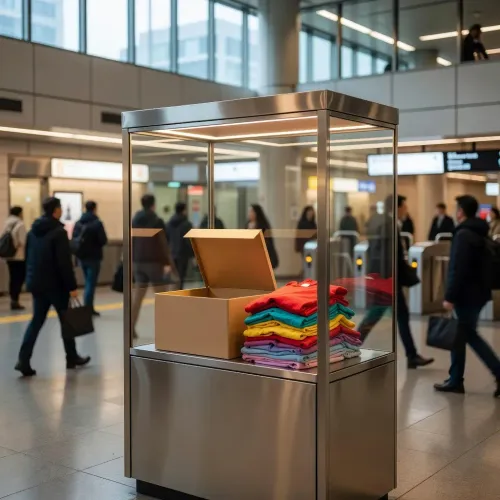
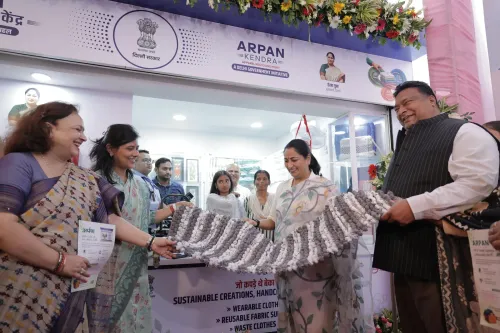
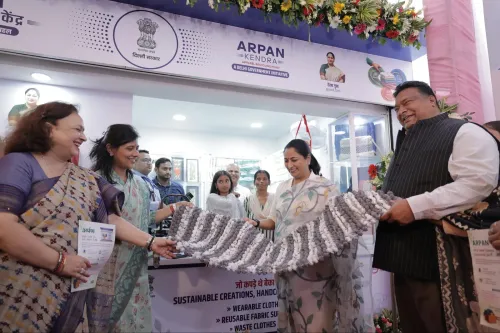
At the heart of the project are collection centres called 'Arpan' Kendras, to be set up at 10 Delhi Metro stations in the first phase. Citizens can drop off unused clothes from 7 am to 7 pm daily. The stations selected for the initial rollout are Shahdara, Dr Baba Saheb Ambedkar Hospital, Malviya Nagar, Hauz Khas, Dwarka, Mohan Estate, Lajpat Nagar, Mayur Vihar Phase-1, Punjabi Bagh West, and Shalimar Bagh. Kiosks selling recycled and upcycled products will also be installed at these locations.
Three-Category Sorting System
Donated clothes will be sorted into three distinct streams. The first covers garments suitable for upcycling — these will be handed to Self-Help Groups (SHGs) to be converted into bags, decorative items, and other usable products. The second covers clothes that are beyond reuse and will be industrially recycled into new raw materials. The third addresses clothes used in religious rituals and sacred materials, which will be respectfully reused or recycled to honour community sentiments — a detail that distinguishes this project from standard textile recycling drives.
Women's Employment at the Centre
The Arpan Kendras will be operated entirely by women associated with SHGs under SULM. They will receive specialised training in textile upcycling and recycling, and a portion of donated clothes will be made available to them directly for upcycling — creating a livelihood loop within the circular economy model. Chief Minister Gupta described the project as 'an innovative step towards reducing textile pollution, promoting sustainable lifestyles and creating new employment opportunities for women.'
Scale and What Comes Next
The 10 Arpan Kendras are explicitly described as a first phase. The Delhi government has indicated the network will eventually expand across all parts of the capital. Officials also noted that parallel solutions are being developed for damaged idols, plastic waste, and other complex waste streams. This comes amid growing pressure on Indian cities to address landfill overflow — textile waste is among the fastest-growing components of municipal solid waste nationally.
Point of View
And Delhi's landfills absorb a disproportionate share. What makes this project worth watching is the structural design: it does not rely on voluntary goodwill alone but embeds a commercial incentive — SHG women get both training and raw material from donated stock, giving them a stake in throughput. The risk is execution at scale; Delhi has a history of well-designed waste schemes that stall at the pilot phase. Whether the Arpan Kendra model survives beyond its first 10 stations will depend on whether the recycling economics — not just the civic messaging — hold up.
NationPress
13 Oct 2026
Frequently Asked Questions
What is the Old Clothes Donation Project launched in Delhi?
The Old Clothes Donation Project is a textile recycling and upcycling initiative launched on 14 July by the Delhi government in partnership with DMRC, DLWO, Clothes Box Foundation, and Respun. It sets up drop-off centres called 'Arpan Kendras' at 10 Delhi Metro stations where citizens can donate unused clothes from 7 am to 7 pm.
Which Delhi Metro stations will have Arpan Kendra collection centres?
The first phase covers Shahdara, Dr Baba Saheb Ambedkar Hospital, Malviya Nagar, Hauz Khas, Dwarka, Mohan Estate, Lajpat Nagar, Mayur Vihar Phase-1, Punjabi Bagh West, and Shalimar Bagh Metro stations. These centres are expected to open within the next few days of the MoU signing.
How will donated clothes be sorted and used?
Clothes will be divided into three categories: garments suitable for upcycling into bags and decorative items by Self-Help Groups; clothes too worn for reuse that will be industrially recycled into raw materials; and sacred or ritual clothing that will be respectfully reused. Clothes Box Foundation and Respun will manage the segregation and recycling process.
How does this project benefit women?
The Arpan Kendras will be run by women from Self-Help Groups under Delhi's State Urban Livelihood Mission (SULM). They will receive specialised training in textile upcycling and recycling, and a portion of donated clothes will be allocated to them directly for upcycling into sellable products, supporting financial self-reliance.
Will the project expand beyond the initial 10 Metro stations?
Yes. Chief Minister Rekha Gupta has stated that while 10 Arpan Kendras are being established in the first phase, the initiative will eventually be expanded to cover all parts of Delhi. No specific timeline for the expansion has been announced.