Delhi CM Rekha Gupta launches old clothes collection at 10 Metro stations
Synopsis
Delhi's Metro network is becoming a drop-off point for old clothes. Chief Minister Rekha Gupta's new initiative places collection boxes at 10 high-footfall stations, with discarded garments routed to NGOs and SHGs for upcycling — a small but visible bet on building circular-economy habits in a city that generates enormous textile waste.
Key Takeaways
Delhi CM Rekha Gupta announced old clothes collection boxes at 10 DMRC Metro stations on 26 May 2025 .
Stations span multiple lines including Shahdara, Lajpat Nagar, Hauz Khas, Dwarka , and Mayur Vihar Phase-I .
Collected garments will be sorted and distributed to NGOs and self-help groups (SHGs) for upcycling into products such as bags and rugs.
Collection zones will be branded under the Delhi Metro Ladies Welfare Organisation (DMLWO) .
The initiative targets textile waste, cited as one of the fastest-growing urban environmental challenges.
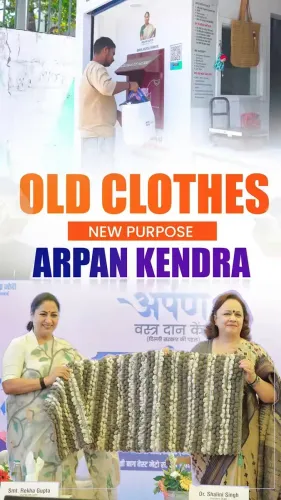
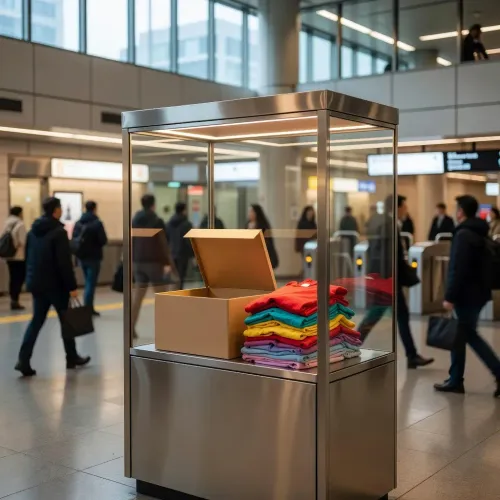
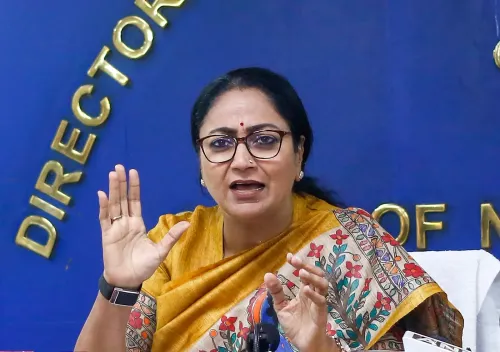
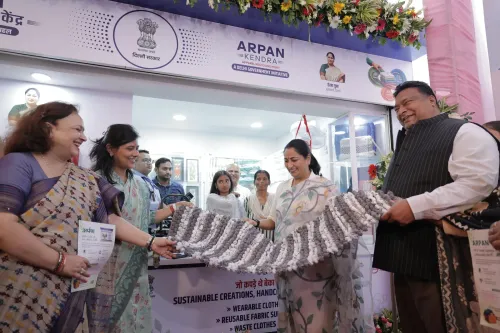
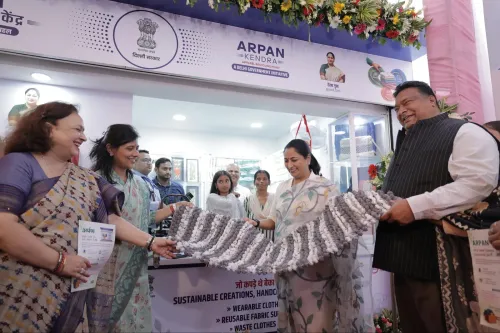
Delhi Chief Minister Rekha Gupta on Tuesday, 26 May announced that the Delhi Metro Rail Corporation (DMRC) will install dedicated collection boxes for old and unused clothing at 10 major Metro stations across the capital. The initiative, framed as a push for environmental conservation and sustainable development, aims to channel discarded garments into recycling and upcycling streams rather than landfills.
The 10 Stations Selected
The identified stations span multiple Metro lines and high-footfall corridors: Shahdara (Red Line), Mohan Estate (Violet Line), Rohini West (Red Line), Lajpat Nagar (Violet and Pink Lines), Malviya Nagar (Yellow Line), Mayur Vihar Phase-I (Blue and Pink Lines), Hauz Khas (Yellow and Magenta Lines), Punjabi Bagh West (Pink and Green Lines), Dwarka (Blue Line), and Shalimar Bagh (Pink Line). The wide geographic spread is designed to maximise public participation across north, south, east, and west Delhi.
How the Recycling Process Works
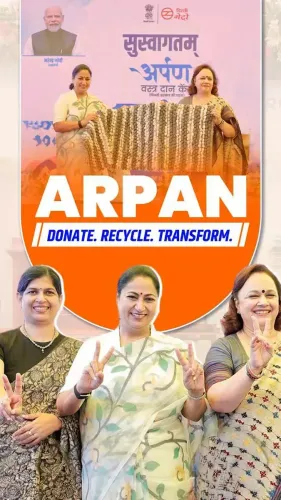
Collected garments will be sorted into categories and handed over to empanelled non-governmental organisations (NGOs) and self-help groups (SHGs) for reuse and upcycling. Finished products are expected to include everyday items such as bags and rugs. According to DMRC, the collection zones at each station will be branded under the Delhi Metro Ladies Welfare Organisation (DMLWO).
What the Government Said
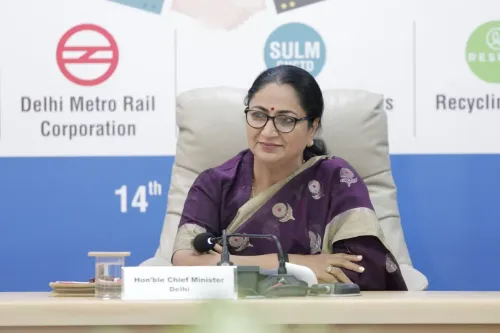
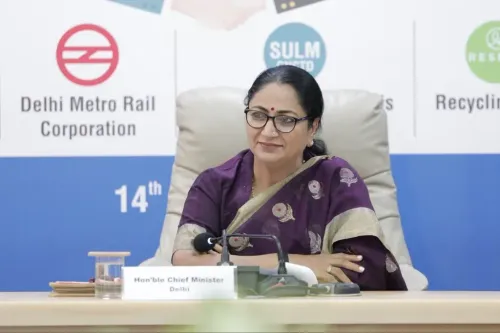
Chief Minister Gupta stated that textile waste is among the fastest-growing environmental challenges facing urban India, and that the scheme will ensure 'scientific recycling' of discarded clothing. 'The Delhi government is committed to promoting public participation in environmental campaigns,' she said, adding that transparency and efficiency will be maintained throughout the collection and distribution process.
Why It Matters
Textile waste accounts for a significant and often undercounted share of municipal solid waste in Indian cities. By routing collection through Metro stations — which together serve millions of daily commuters — the initiative leverages existing infrastructure to build a circular-economy habit at scale. This is part of a broader push by the Delhi government to position the capital as a cleaner, greener city, with Metro stations increasingly doubling as civic engagement points. How effectively the NGO and SHG network absorbs and processes the collected material will determine whether the scheme delivers measurable environmental impact.
Point of View
Or whether the boxes become photo-op installations that fill up and stall. Delhi has a history of well-announced green schemes that fade for want of operational follow-through. The DMLWO branding and the explicit mention of transparency suggest the government is aware of that credibility gap — but awareness and accountability are not the same thing.
NationPress
10 Oct 2026
Frequently Asked Questions
What is the Delhi Metro old clothes collection initiative?
It is a scheme announced by Delhi Chief Minister Rekha Gupta on 26 May 2025 under which the DMRC will place dedicated boxes at 10 Metro stations for residents to deposit old or unused clothing. The collected garments will be recycled or upcycled by NGOs and SHGs into products such as bags and rugs.
Which Metro stations have the old clothes collection boxes?
The 10 stations are Shahdara, Mohan Estate, Rohini West, Lajpat Nagar, Malviya Nagar, Mayur Vihar Phase-I, Hauz Khas, Punjabi Bagh West, Dwarka , and Shalimar Bagh , covering the Red, Violet, Yellow, Blue, Pink, Magenta, and Green lines.
What happens to the clothes after they are deposited?
Deposited garments will be segregated into categories and made available to empanelled NGOs and self-help groups for reuse and upcycling. Items such as bags and rugs will be manufactured from the collected textiles.
Who is managing the collection zones at Metro stations?
According to DMRC, the collection areas at the selected stations will be branded and managed under the Delhi Metro Ladies Welfare Organisation (DMLWO) .
Why is textile waste a concern in Delhi?
Textile waste is one of the fastest-growing components of urban solid waste in Indian cities. Chief Minister Gupta cited it as a rapidly growing environmental challenge, and the initiative is intended to divert discarded clothing from landfills into a scientific recycling and upcycling process.