Delhi’s Metro Expansion: A Leap Towards ‘Viksit Bharat’, Says CM Rekha Gupta
Synopsis
On March 7, CM Rekha Gupta highlighted the transformative impact of the expanding Delhi Metro network, emphasizing its role in creating a modern, efficient, and eco-friendly transport system. The inauguration of new corridors by PM Modi is set to revolutionize connectivity across the capital.
Key Takeaways
Expansion of Delhi Metro is set to transform urban transport.
New corridors will improve connectivity across the city.
Projects aim to reduce traffic congestion and pollution.
PM Modi's vision emphasizes a modern public transport system.
Enhanced Metro network will benefit NCR residents .
New Delhi, March 7 (NationPress) The Chief Minister of Delhi, Rekha Gupta, announced on Saturday that the ongoing development of the Delhi Metro network is ushering in a transformative era for the capital's transport system.
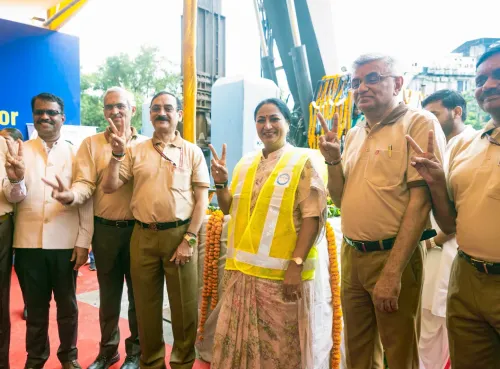
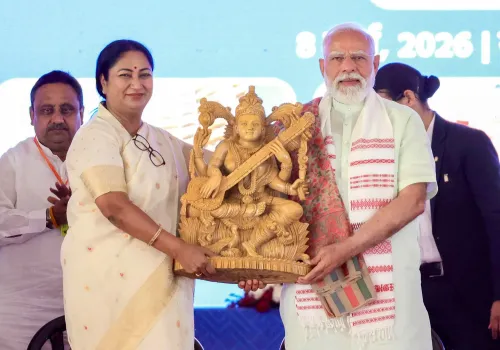
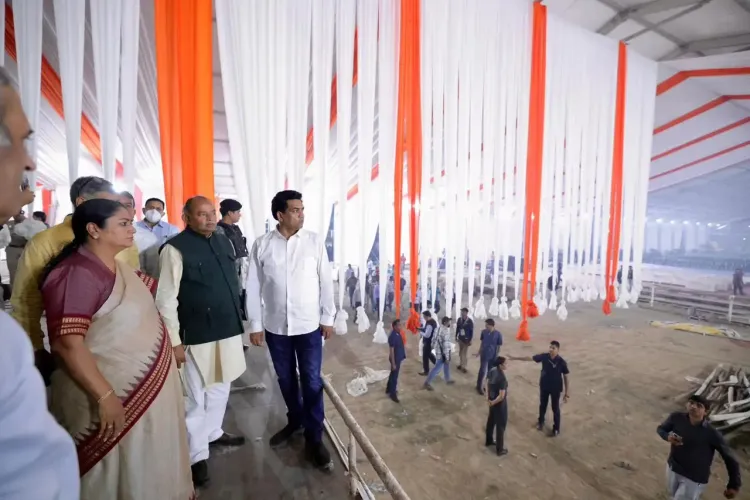
During her visit to the site of an upcoming event where Prime Minister Narendra Modi is set to inaugurate new Metro initiatives, CM Gupta remarked that this occasion will signify a pivotal advancement towards a more efficient, seamless, and eco-friendly public transport framework in Delhi.
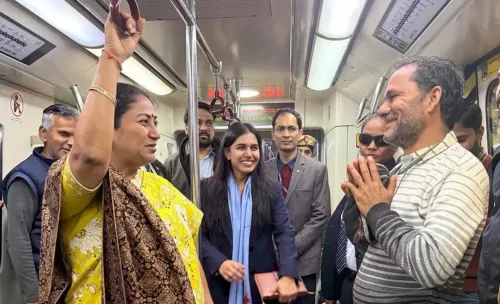
She further explained that these initiatives will enhance commuter convenience and alleviate congestion on roadways caused by private vehicles, contributing to pollution control efforts.
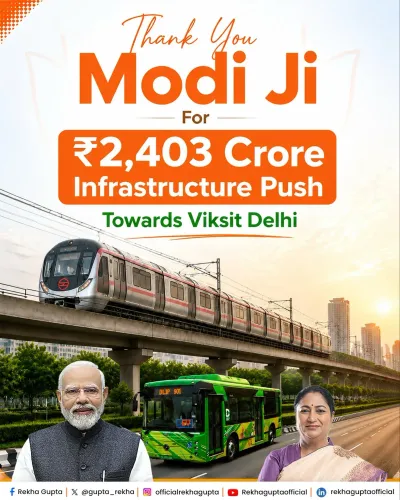
CM Gupta highlighted that PM Modi will launch two additional Metro corridors: the Majlis Park–Maujpur-Babarpur section of the Pink Line and the Deepali Chowk–Majlis Park section of the Magenta Line.
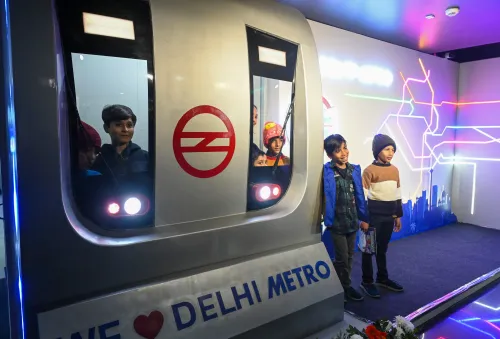
With the introduction of the Majlis Park–Maujpur-Babarpur corridor, the Pink Line's total length will extend to approximately 71.56 kilometers, establishing Delhi as home to the nation’s first fully operational 'Ring Metro'.
This development will facilitate quicker and more convenient travel across the city, while also enhancing connectivity in North-East and North-West Delhi, she remarked.
CM Gupta noted that the Deepali Chowk to Majlis Park corridor is an extension of the Magenta Line, which will now total around 49 kilometers.
“This corridor will better link numerous residential and commercial districts with the Metro system, ensuring timely and smooth commutes for passengers,” she stated.
Additionally, the Prime Minister will lay the groundwork for three new corridors as part of Phase-V (A) of the Metro network.
These corridors include the Central Vista Corridor connecting Ramakrishna Ashram Marg to Indraprastha, the route from Aerocity to Indira Gandhi Airport Terminal-1, and the corridor extending from Tughlakabad to Kalindi Kunj.
Upon their completion, these projects will significantly improve connectivity among Delhi’s key administrative, commercial, and residential zones, while providing faster and more direct Metro access to the airport.
CM Gupta emphasized that these developments will be beneficial not only for Delhi but for surrounding cities within the NCR as well.
Residents from Faridabad and Ballabhgarh will be able to reach Tughlakabad via the Violet Line and then travel directly to Indira Gandhi Airport Terminal-1 using the Golden Line. Likewise, commuters from Noida can access Kalindi Kunj via the Magenta Line and subsequently reach the airport and various regions in South Delhi via the Golden Line.
The Delhi government has allocated Rs 2,929 crore in this year’s budget to expedite Metro projects.
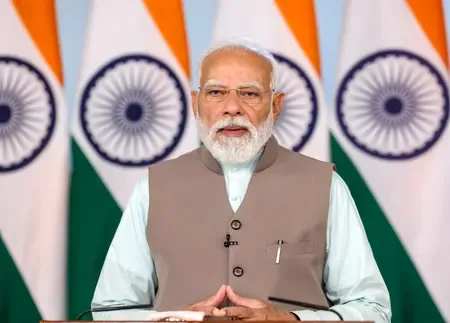
CM Gupta reiterated that the Prime Minister has continuously advocated for the creation of a modern and integrated transport infrastructure throughout the nation.
This vision aims to develop a public transport system that is shared, accessible, convenient, congestion-free, clean, and technologically advanced.
In alignment with this vision, Delhi's Metro network is being progressively enhanced to furnish the capital with a contemporary, efficient, and environmentally sustainable transport solution, thereby bolstering the commitment to a 'Viksit Bharat'.
The Chief Minister expressed that the Delhi government’s objective is to create a Metro network that is so extensive and robust that all residents can access reliable public transport up to the last mile.
She pointed out that improved public transport will decrease reliance on private vehicles, thus diminishing traffic jams and reducing pollution.
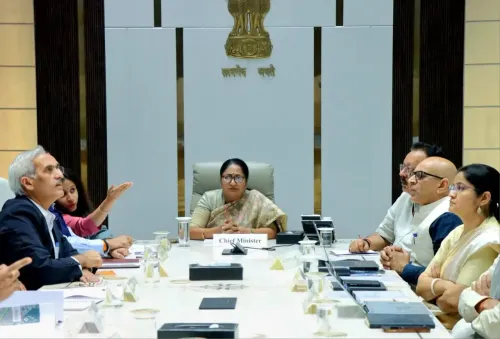
Furthermore, the Delhi government is collaborating closely with the Central Government to fortify the public transport network in line with the Prime Minister's vision.
Point of View
Aligning with the broader vision of a modern and integrated transport system across India.
NationPress
20 Sept 2026
Frequently Asked Questions
What is the significance of the new Metro projects in Delhi?
The new Metro projects aim to provide faster, more convenient transport options while reducing road congestion and pollution, promoting a cleaner environment.
How will the new Metro corridors enhance connectivity?
The new corridors will improve access to key areas in Delhi, ensuring seamless travel between residential and commercial districts.
What is the budget allocation for the Metro projects this year?
The Delhi government has allocated Rs 2,929 crore in this year's budget to expedite the Metro projects.
What is the vision behind PM Modi's transport infrastructure initiatives?
PM Modi envisions a modern, integrated public transport system that is accessible, efficient, and environmentally friendly.
Who will benefit from the expanded Metro network?
Residents of Delhi and surrounding NCR cities will benefit from improved connectivity and reduced reliance on private vehicles.