Delhi Metro Inderlok-Indraprastha corridor: Construction begins on 12.37-km Magenta Line extension
Synopsis
Delhi's Magenta Line is set to become the longest in the DMRC network — stretching to nearly 89 km — after CM Rekha Gupta launched construction of the fully underground 12.377-km Inderlok-Indraprastha corridor on 9 July. With 10 new stations and interchange links to seven Metro lines, this is the single biggest connectivity upgrade for central Delhi in years.
Key Takeaways
Delhi CM Rekha Gupta launched construction of the Inderlok-Indraprastha Metro Corridor on 9 July at Sarai Rohilla .
The corridor spans 12.377 km and will feature 10 fully underground stations .
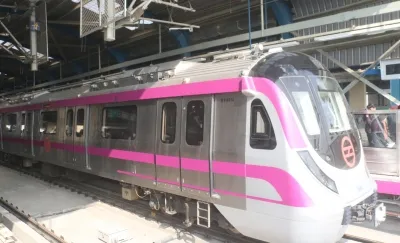
It extends the Magenta Line (Line-8) , which will grow to nearly 89 km — the longest line in the DMRC network.
The corridor will connect with seven major Metro lines , including the Yellow, Blue, Violet, Red, Green, and Airport Express lines.
Key destinations served include New Delhi Railway Station , India Gate , Central Vista , Arun Jaitley Stadium , and Indira Gandhi Indoor Stadium .
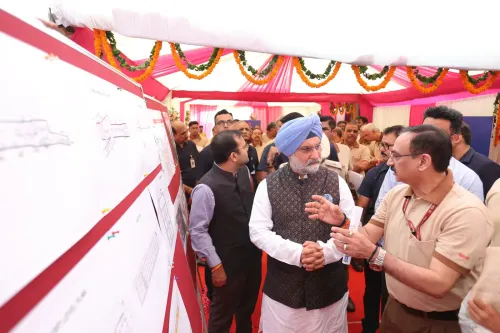
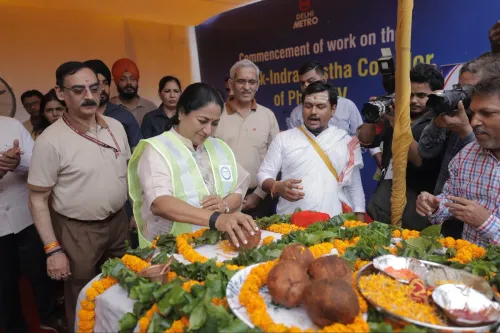
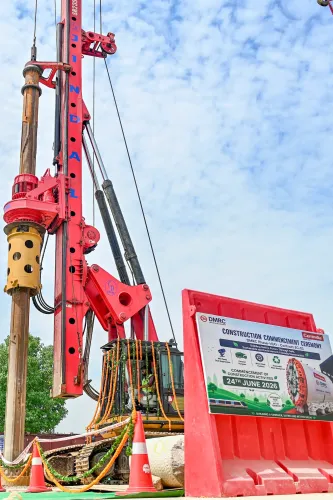
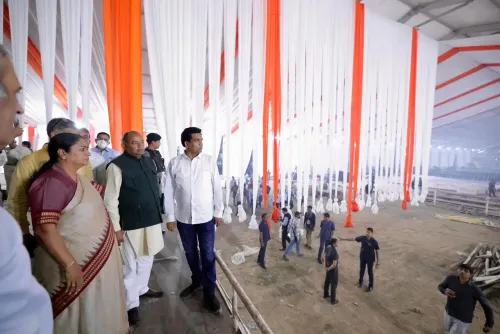
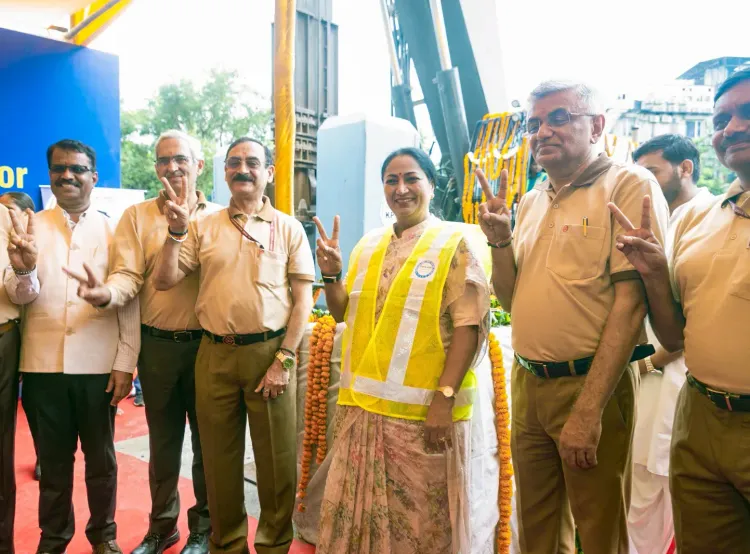
Delhi Chief Minister Rekha Gupta on Thursday, 9 July formally launched construction of the Delhi Metro Rail Corporation (DMRC)'s Inderlok-Indraprastha Metro Corridor, flagging off work at the Sarai Rohilla Metro Station construction site in the national capital. The groundbreaking marks the start of a fully underground extension that will significantly reshape commuter connectivity across central and north Delhi.
What the Corridor Covers
The 12.377-km corridor will run entirely underground and is designed as an extension of Delhi Metro's Magenta Line (Line-8). It will feature 10 underground stations at Inderlok, Daya Basti, Sarai Rohilla, Ajmal Khan Park, Jhandewalan Temple, Nabi Karim, New Delhi, Delhi Gate, Delhi Sachivalaya-IG Stadium, and Indraprastha.
Construction of the diaphragm wall at Sarai Rohilla has commenced, marking the first structural phase of the project, according to an official statement.
Why This Matters for Delhi's Metro Network
Once complete, the Magenta Line will stretch to nearly 89 kilometres, making it the longest Metro line in the entire DMRC network. It will also carry the highest number of interchange and underground stations of any line in the system — a distinction that underscores the corridor's strategic importance.
The new corridor will intersect with seven major Metro lines, creating a dense web of interchange options. Commuters will be able to switch to the Red and Green Lines at Inderlok, the existing Magenta Line at Nabi Karim, the Yellow Line and Airport Express (Orange Line) at New Delhi, the Violet Line at Delhi Gate, and the Blue Line at Indraprastha.
Key Destinations Now in Reach
The corridor will offer direct Metro access to several high-footfall destinations, including Sarai Rohilla Railway Station, New Delhi Railway Station, Delhi Sachivalaya, Jhandewalan Temple, Arun Jaitley Stadium, Indira Gandhi Indoor Stadium, Kartavya Path, India Gate, the National War Memorial, and Central Vista.
Commuters from Karol Bagh, Deshbandhu Gupta Road, and surrounding commercial and educational zones are also expected to benefit from improved last-mile connectivity.
What the Government Said
Chief Minister Rekha Gupta described the Delhi Metro as 'not merely a mode of transport but the foundation of a developed Delhi,' adding that the network's continued expansion represents a 'historic step' toward safe, fast, and environment-friendly public transport for citizens.
She noted that the Delhi government is working in close coordination with the Centre and DMRC under the broader infrastructure push led by Prime Minister Narendra Modi. The project is expected to directly benefit government employees, students, traders, tourists, and the large daily commuter base across the capital.
What Comes Next
With the diaphragm wall work now underway at Sarai Rohilla, construction will proceed in phases across the corridor's 10 stations. The completion of this extension would give the Magenta Line both the greatest reach and the most interchange points of any line in the Delhi Metro system — a milestone that could meaningfully redistribute passenger load across the network.
Point of View
New Delhi Railway Station, and Kartavya Path in a single underground sweep. What deserves scrutiny is the timeline: DMRC has a mixed record on underground project delivery, and with 10 stations and complex geology between Inderlok and Indraprastha, the diaphragm wall start is only the first of many milestones. The political optics of the launch — framed as a joint Centre-Delhi government achievement — also reflect the post-AAP power shift in Delhi, with the BJP-led administration keen to associate itself with Metro expansion that its predecessor long championed. Whether execution matches the ambition will be the real test.
NationPress
8 Oct 2026
Frequently Asked Questions
What is the Inderlok-Indraprastha Metro Corridor?
It is a 12.377-km fully underground extension of Delhi Metro's Magenta Line (Line-8) , featuring 10 new underground stations from Inderlok to Indraprastha. Construction was formally launched on 9 July 2025 by Delhi Chief Minister Rekha Gupta at the Sarai Rohilla construction site.
Which stations will the new Metro corridor have?
The corridor will have 10 underground stations : Inderlok, Daya Basti, Sarai Rohilla, Ajmal Khan Park, Jhandewalan Temple, Nabi Karim, New Delhi, Delhi Gate, Delhi Sachivalaya-IG Stadium, and Indraprastha.
How does this corridor change the Magenta Line?
Once complete, the Magenta Line will extend to nearly 89 kilometres , making it the longest line in the DMRC network and the one with the most interchange and underground stations.
Which Metro lines will passengers be able to interchange with?
The corridor connects to seven Metro lines — the Red and Green Lines at Inderlok, the existing Magenta Line at Nabi Karim, the Yellow Line and Airport Express (Orange Line) at New Delhi, the Violet Line at Delhi Gate, and the Blue Line at Indraprastha.
Who will benefit from the Inderlok-Indraprastha corridor?
The corridor is expected to benefit government employees, students, traders, tourists, and daily commuters across central and north Delhi. It will also improve access to major landmarks including India Gate, Central Vista, New Delhi Railway Station, and Indira Gandhi Indoor Stadium.