Delhi's CM Rekha Gupta Expresses Gratitude to PM Modi for Rs 18,000 Crore Initiatives
Synopsis
On International Women’s Day, Delhi CM Rekha Gupta expressed heartfelt thanks to PM Modi for launching projects worth Rs 18,000 crore. These initiatives promise to revolutionize public transport and empower women in the capital.
Key Takeaways
Rs 18,000 crore projects launched for Delhi's infrastructure.
New Metro corridors enhance connectivity.
Special focus on women's safety and convenience.
Long-pending payments addressed under the Ladli Scheme .
New initiatives for women's health introduced.
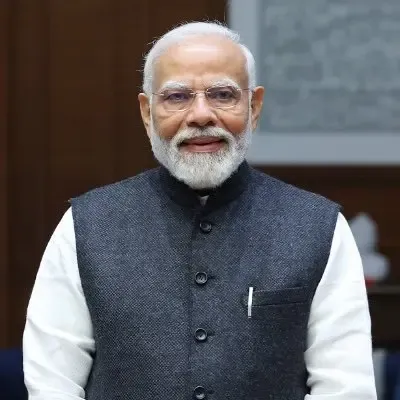
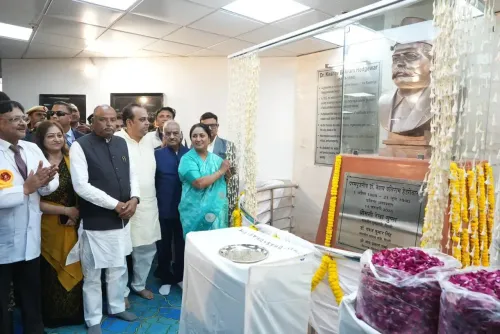
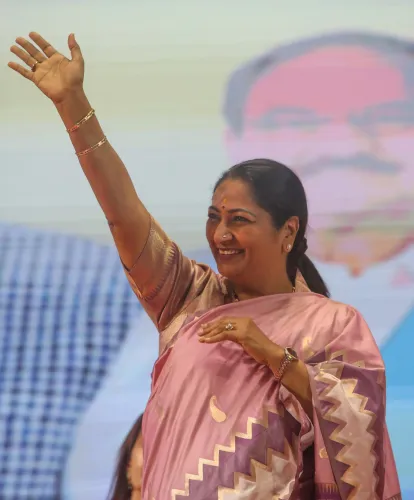
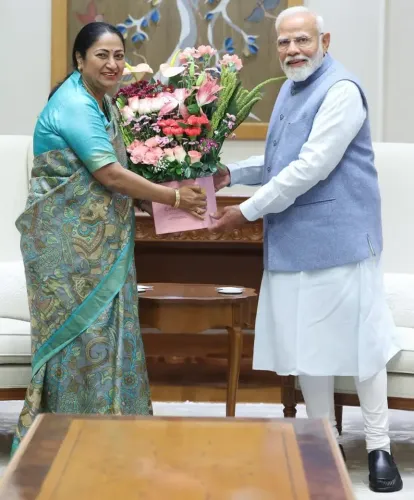
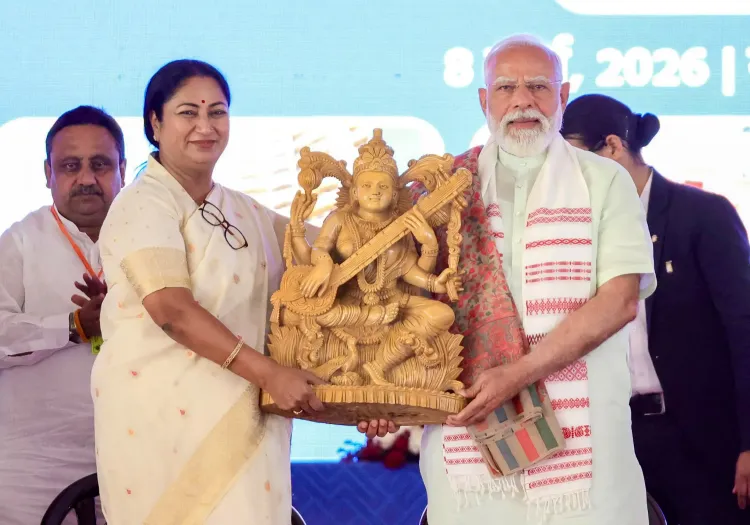
New Delhi, March 8 (NationPress) Delhi Chief Minister Rekha Gupta expressed her gratitude to Prime Minister Narendra Modi on Sunday for unveiling historic initiatives worth over Rs 18,000 crore to benefit the residents of Delhi, coinciding with International Women’s Day.
During the event, PM Modi inaugurated two new Delhi Metro corridors and laid the groundwork for three additional corridors under Phase V(A). According to CM Gupta, these projects are set to enhance connectivity throughout the capital, making travel faster, safer, and more user-friendly for millions.
At the event, CM Gupta warmly welcomed the Prime Minister, highlighting the significance of his visit for the capital.
She noted that the Prime Minister’s gesture of presenting such a vital gift to the people of Delhi, especially to women, on International Women’s Day carries great importance.
The CM emphasized that while all citizens would benefit from modern public transport, the new corridors are particularly crucial for mothers, sisters, and daughters, providing them with a safe and convenient means of travel.
The inaugurated corridors include the Majlis Park to Maujpur–Babarpur (approximately 12 km) and Majlis Park to Deepali Chowk (approximately 9 km). With these new corridors, commuting will become significantly easier for lakhs of people in Delhi.
Notably, areas in Trans-Yamuna such as Wazirabad, Khajuri Khas, Bhajanpura, Yamuna Vihar, and Karawal Nagar will experience Metro connectivity for the first time.
CM Gupta mentioned that the three new Metro corridors for which the foundation stone was laid today will further expedite the connectivity and development of Delhi.
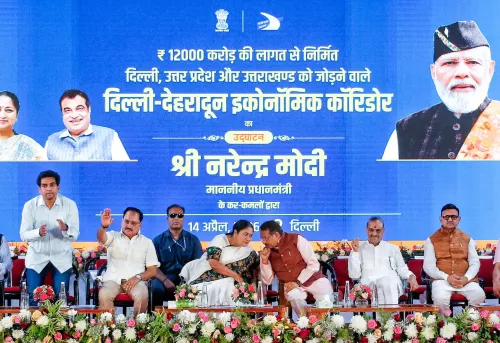
She also highlighted the commencement of trial operations on the Delhi–Dehradun Expressway as another key development for the capital.
Under the guidance of the Prime Minister, the Delhi government has completed one year in office, during which it has operated with integrity and dedication in accordance with the Prime Minister’s mantra of hard work in public service.
Key initiatives like Ayushman Bharat, the cleaning of the Yamuna, and addressing landfill issues have become top priorities for the government, with progress being made diligently.
Inspired by the Prime Minister’s principle of Sabka Saath, Sabka Vikas, Delhi has launched 70 Atal Canteens, offering affordable meals to the underprivileged, with around 70,000 individuals receiving meals daily.
Concrete actions are also underway, with support from the Central government, to combat pollution and waterlogging in the city.
After almost five decades, a new drainage master plan has been devised for Delhi to tackle the challenges of waterlogging and pollution.
Additionally, the Delhi government has disbursed nearly Rs 200 crore to about 70,000 girls under the Ladli Scheme, settling long-standing payments that had not reached beneficiaries in the past.
Referring to the Prime Minister’s focus on technology and transparency, CM Gupta reported that the Delhi government has embraced digitalization across its departments.
Initiatives include the e-file system, digital records in hospitals, online OPD booking, digital asset management, a project management portal, and the CM Jan Sunwai App.
Significant digital advancements have also been made in the education sector, with the establishment of 7,000 smart classrooms, 275 computer labs, and 100 digital libraries in Delhi’s government schools. Over the past year, the Delhi government has tirelessly worked to serve the public and address numerous long-standing issues.
On International Women’s Day, the Chief Minister highlighted that PM Modi has launched historic measures aimed at enhancing the dignity, safety, and empowerment of women across the nation. From constructing 12 crore toilets to providing 10 crore Ujjwala gas connections, and financial empowerment through Jan Dhan accounts and the Mudra scheme, these initiatives mark significant strides in women’s empowerment.
Moreover, the recent decision by the Prime Minister to provide free cervical cancer vaccinations for girls aged 14-15 years demonstrates his commitment to women’s health.
Point of View
This announcement marks a pivotal moment for Delhi, as it aligns with ongoing efforts to enhance infrastructure and empower women. The government's commitment to improving public transport and tackling long-standing issues reflects a focused approach to urban development.
NationPress
3 Oct 2026
Frequently Asked Questions
What projects did PM Modi inaugurate in Delhi?
PM Modi inaugurated two new corridors of the Delhi Metro and laid the foundation for three additional corridors under Phase V(A), amounting to projects worth over Rs 18,000 crore.
How will these projects benefit women?
The new Metro corridors are designed to provide a safer and more convenient mode of travel for women, significantly improving their mobility across the city.
What does the Ladli Scheme entail?
The Ladli Scheme is designed to provide financial support to girls, with nearly Rs 200 crore disbursed to around 70,000 beneficiaries, settling previous outstanding payments.
What is the significance of the new drainage master plan for Delhi?
The new drainage master plan aims to address persistent issues of waterlogging and pollution in the city, marking an important step forward in urban infrastructure management.
What initiatives are in place for women's health?
The government has launched initiatives such as free cervical cancer vaccinations for girls aged 14-15 years and various programs aimed at women's empowerment and safety.