Is Metro Expansion a Key Strategy to Combat Pollution? Delhi CM Rekha Gupta Thinks So
Synopsis
Delhi's Chief Minister Rekha Gupta emphasizes the urgent need for expanding the Metro network to enhance public transport and reduce pollution. With significant budget allocations and project approvals, the government aims to create a reliable transport system that minimizes reliance on private vehicles.
Key Takeaways
Delhi Government prioritizes Metro expansion.
60% increase in budget for public transport.
Three major corridors approved under MRTS Phase-IV.
Focus on reducing private vehicle reliance.
Commitment to combating air pollution.
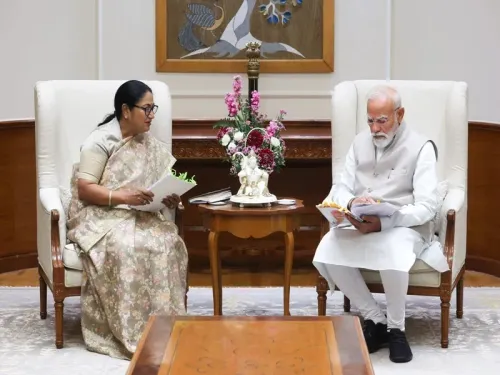
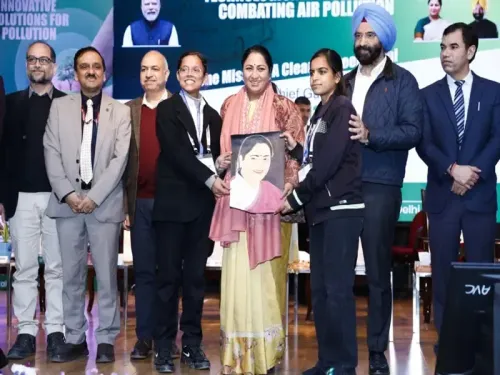
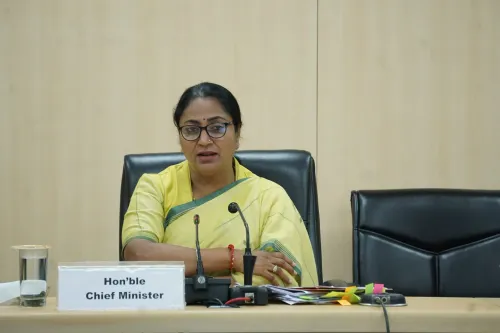
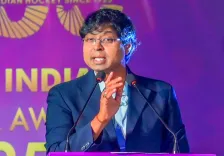
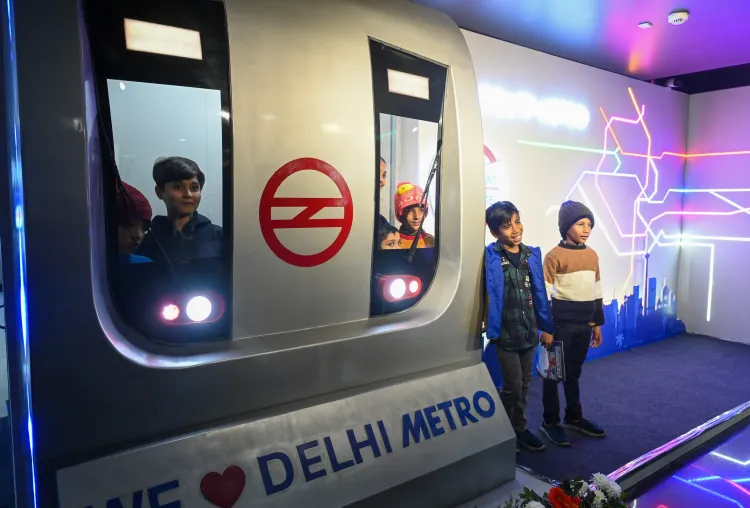
New Delhi, Dec 21 (NationPress) Delhi's Chief Minister Rekha Gupta announced on Sunday that the government is prioritizing the swift expansion of the Delhi Metro network to enhance public transportation and mitigate pollution levels, as confirmed by an official statement.
Reiterating the government's dedication to tackling air pollution, CM Gupta emphasized that effective pollution control in the national capital and the surrounding NCR area necessitates a strong public transport system with seamless last-mile connectivity.
She noted that the Transport Department has received an additional allocation of 60 percent in the current budget to bolster public transportation.
Moreover, provisions have been made for the expansion of the Delhi Metro to ensure that ongoing projects are not hindered, she stated.
The Chief Minister also mentioned that the Delhi Government is clearing outstanding liabilities linked to Metro projects that were left unpaid by previous administrations.
She remarked that had previous governments demonstrated more commitment towards the city’s transport infrastructure, Delhi would not be grappling with such severe pollution today.
According to CM Gupta, reports from the Centre for Science and Environment (CSE) and various research institutions highlight that vehicular emissions significantly contribute to environmental degradation and pollution in Delhi-NCR.
Thus, enhancing public transport is crucial to reduce reliance on private vehicles and effectively tackle the pollution crisis.
In line with Prime Minister Narendra Modi’s vision for ‘Net Zero Emission’ and sustainable transport, the Delhi Government has allocated substantial funds for public transport, particularly for the expansion of the Delhi Metro (DMRC).
The Chief Minister revealed that a budget allocation of Rs 9,110 crore has been designated for the 2025-26 fiscal year, which is an increase from Rs 5,702 crore in 2024-25, marking an approximate 60 percent increase.
This increased funding underscores the government’s strong commitment to the Delhi Metro, often viewed as the capital's lifeline. In contrast, the previous government allocated only around Rs 500 crore for Metro projects last year, whereas the current government has earmarked Rs 2,929 crore for Metro expansion in 2025-26.
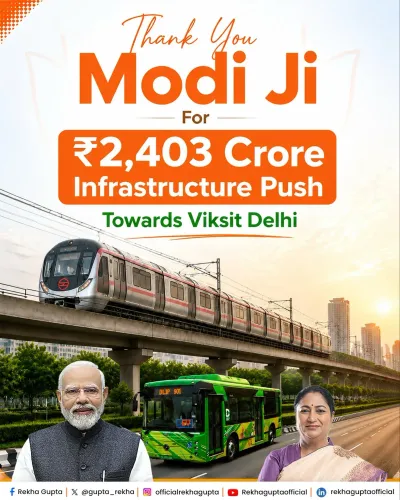
Additionally, the Delhi Government’s Cabinet has approved three significant corridors under the MRTS Phase-IV: Lajpat Nagar to Saket, Inderlok to Indraprastha, and Rithala to Kundli (Haryana), facilitating improved connectivity within Delhi and enhanced travel options for commuters across Delhi-NCR.
For this initiative, the Delhi Government is responsible for financing Rs 3,386.18 crore. An initial sum of Rs 940 crore has already been disbursed in the current financial year, with the next installment of Rs 336 crore underway. Furthermore, pending liabilities of nearly Rs 2,700 crore related to Phases I, II, and III are also being settled.
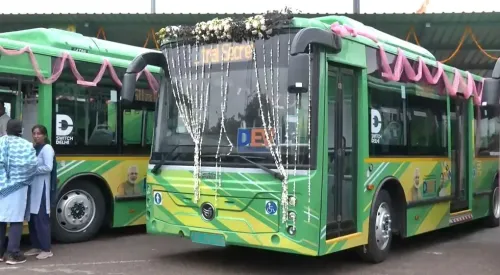
Stressing the necessity for a transition from private vehicles to public transport, CM Gupta asserted that effective solutions to the pollution crisis can only be achieved when citizens have access to a reliable, extensive, and convenient public transport network.
The government aims to develop the Metro network to such an extent that people won’t need to depend on private vehicles, even for last-mile connectivity, she concluded.
Point of View
It is imperative to recognize the Delhi Government's proactive measures in addressing pollution through public transport enhancements. While past administrations may have overlooked this critical issue, the current initiatives signal a commitment to sustainable solutions. The expansion of the Metro could be pivotal for not only reducing emissions but also for facilitating better commuting options, thus impacting the daily lives of citizens positively.
NationPress
4 Oct 2026
Frequently Asked Questions
What is the primary focus of the Delhi Government regarding pollution?
The Delhi Government, led by Chief Minister Rekha Gupta, is focused on expanding the Delhi Metro network to strengthen public transport and combat pollution effectively.
How much budget has been allocated for the Metro expansion?
For the 2025-26 fiscal year, an allocation of Rs 9,110 crore has been made, which is a significant increase from the previous year's budget.
What are the new corridors approved in the MRTS Phase-IV?
Three major corridors have been approved: Lajpat Nagar to Saket, Inderlok to Indraprastha, and Rithala to Kundli (Haryana).
How does the government plan to reduce reliance on private vehicles?
By developing a comprehensive and convenient public transport network, the government aims to encourage citizens to utilize public transport instead of private vehicles.
What is the significance of this Metro expansion for the citizens?
The Metro expansion is expected to improve connectivity, reduce traffic congestion, and ultimately lead to lower pollution levels in the capital.