CM Rekha Gupta Hails Ayodhya's Deepotsav Glory
Synopsis
Delhi Chief Minister Rekha Gupta marked Ayodhya Deepotsav 2026 with a Ramcharitmanas verse, calling the lamp festival a revival of Ayodhya's divine splendour — connecting the Treta Yuga narrative to present-day celebrations two years after the Ram Temple consecration.
Key Takeaways
Delhi CM Rekha Gupta posted on 7 November 2026 to mark Ayodhya Deepotsav 2026 .
She opened with a couplet from the Ramcharitmanas : 'Awadhpuri ati ruchir banai' , describing a divine shower of flowers over Ayodhya.
The post draws a direct link between Ayodhya's welcome to Lord Rama in the Treta Yuga and the present Deepotsav celebrations.
The Ram Temple consecration took place on 22 January 2024 , giving renewed national profile to Ayodhya's annual festivals.
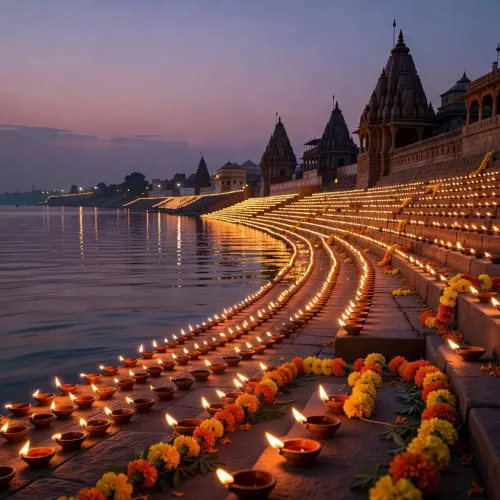
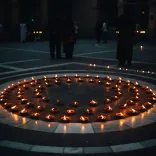
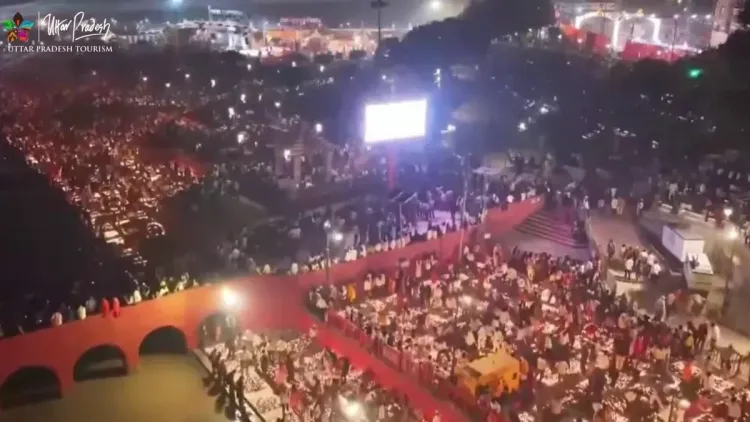
Deepotsav features the illumination of the Sarayu riverfront with earthen lamps and has grown into a major cultural and tourism event.
Thousands of earthen lamps are turning the Sarayu riverfront into a river of fire — and Delhi Chief Minister Rekha Gupta wants the country to feel every flicker. On the evening of Saturday, 7 November 2026, she invoked the Ramayana itself to frame this year's Ayodhya Deepotsav, drawing a direct line from the Treta Yuga to the present moment.
Opening with a verse from the Ramcharitmanas — 'Awadhpuri ati ruchir banai. Devanha suman bristi jhari lai' ('Ayodhya was adorned with great splendour; the gods showered flowers in a cascade') — the Chief Minister anchored her message in sacred poetry before turning to the present. 'The same Ayodhya that welcomed our Ram in the Treta Yuga,' she wrote, 'is once again alive today in the divine radiance of lamps and the eternal glory of Sanatan tradition.'Ayodhya's arc: from epic to inauguration to Deepotsav
Ayodhya, the ancient city in Uttar Pradesh, holds a singular place in Hindu tradition as the birthplace of Lord Rama and the capital of his kingdom as described in the Ramayana. The city's modern chapter shifted dramatically on 22 January 2024, when the consecration of the Ram Temple drew hundreds of thousands of pilgrims and placed Ayodhya at the centre of national cultural conversation. The Deepotsav festival — an annual illumination of the Sarayu riverfront with earthen lamps — has since grown into a signature celebration woven into that larger narrative. Gupta's post layers the Ramcharitmanas verse directly onto this civic festivity, using classical scripture as the opening line rather than a ceremonial afterthought. The move is deliberate: by quoting a couplet that describes the gods themselves adorning Ayodhya, she elevates the annual lamp festival into a continuation of a cosmological homecoming.Deepotsav as cultural statecraft
The festival's growth reflects a broader public emphasis on Ayodhya's religious heritage that has intensified since the temple consecration. Politicians across the ideological spectrum have engaged with Deepotsav in recent years, but the framing has grown increasingly ambitious — linking the city's illuminated skyline to Sanatan identity, heritage tourism, and civic pride simultaneously. The hashtag #AyodhyaDeepotsav2026 signals an effort to build a distinct annual brand around the event. For devotees and residents of Ayodhya, the festival is an act of lived faith. For the tourism sector, it is an infrastructure moment. And for political leaders like Gupta, it is a point where cultural memory and contemporary governance intersect visibly — the lamp on the ghaat as both prayer and statement.When a Ramcharitmanas couplet becomes a politician's opening line, the festival has long since crossed over from local event to national symbol — the question now is how big Ayodhya's stage can grow.
Point of View
The post reinforces a narrative that the Ram Temple consecration completed a civilisational circle — now renewed annually through the lamp festival. For BJP leaders outside Uttar Pradesh, like Gupta in Delhi, amplifying Ayodhya events serves a dual purpose: it signals ideological solidarity while tapping into the city's growing tourism and pilgrimage footprint. The hashtag branding of #AyodhyaDeepotsav2026 suggests a maturing effort to make the festival a distinct, recurring national moment on par with established cultural landmarks.
NationPress
7 Nov 2026
Frequently Asked Questions
What is Ayodhya Deepotsav?
Ayodhya Deepotsav is an annual festival of lights held in Ayodhya, Uttar Pradesh, in which the banks of the Sarayu river are illuminated with thousands of earthen lamps to celebrate the return of Lord Rama to Ayodhya as described in the Ramayana.
What did Delhi CM Rekha Gupta say about Deepotsav 2026?
On 7 November 2026, CM Rekha Gupta quoted a Ramcharitmanas couplet and said that the same Ayodhya that once welcomed Lord Rama in the Treta Yuga is once again alive in the divine radiance of lamps and the eternal glory of Sanatan tradition.
When was the Ram Temple in Ayodhya consecrated?
The Ram Temple in Ayodhya was consecrated on 22 January 2024, a moment that significantly elevated the city's national cultural and religious profile.
What is the Ramcharitmanas verse Rekha Gupta quoted?
She quoted: 'Awadhpuri ati ruchir banai. Devanha suman bristi jhari lai', which translates as 'Ayodhya was adorned with great splendour; the gods showered flowers in a cascade' — a verse describing Ayodhya's divine decoration upon Rama's return.
Why is Ayodhya significant in Hindu tradition?
Ayodhya is regarded in Hindu tradition as the birthplace of Lord Rama and the capital of his kingdom as described in the Ramayana epic, making it one of the most sacred cities in India.