CM Rekha Gupta Launches Arpan Kendras at Delhi Metro Stations
Synopsis
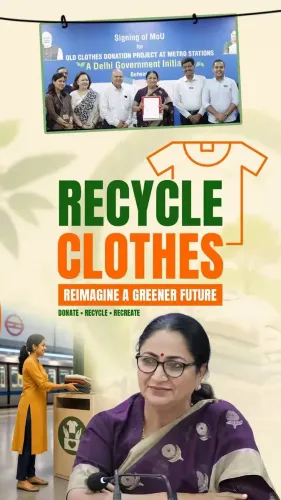
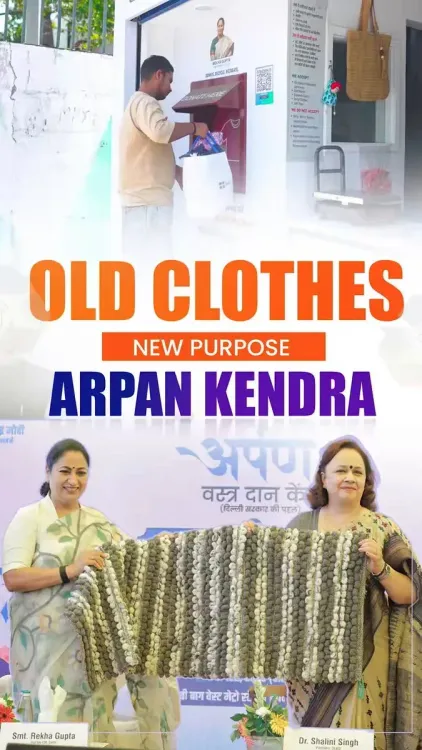
Delhi Chief Minister Rekha Gupta has spotlighted Arpan Kendras — old-clothes collection and recycling centres operating inside 10 Delhi Metro stations — as a dual-purpose initiative that cuts textile waste and creates livelihood opportunities for women through Self Help Groups, under the ongoing SevaSankalpAbhiyan drive.
Key Takeaways
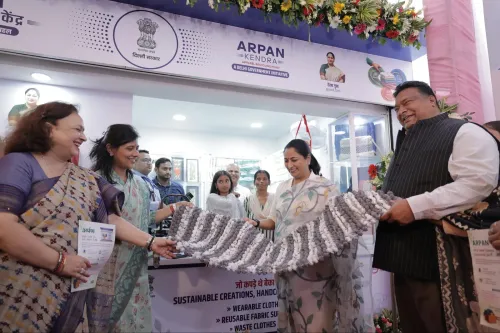
Arpan Kendras are textile drop-off points placed inside Delhi Metro stations for reuse, recycling and upcycling of old clothes.
10 centres are currently operational, with further expansion planned across the metro network.
Collected textiles are processed through Self Help Groups , generating income for women micro-entrepreneurs.
The initiative aligns with the Swachh Bharat Mission and India's National Framework for Circular Economy in Textiles .
The programme is being promoted under #SevaSankalpAbhiyan , a citizen-participation and welfare campaign by the Delhi government.
Metro-based collection models leverage high daily footfall to maximise textile diversion from urban landfills.
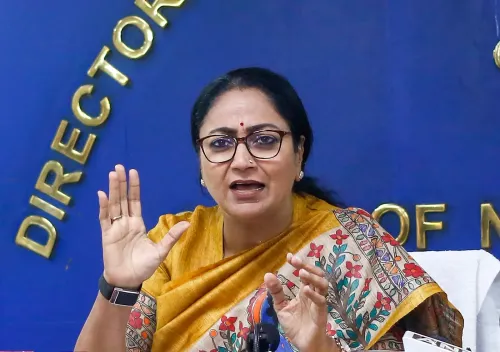
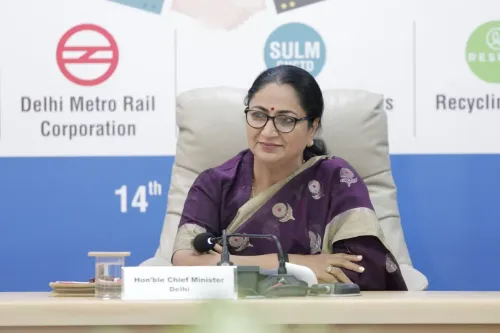
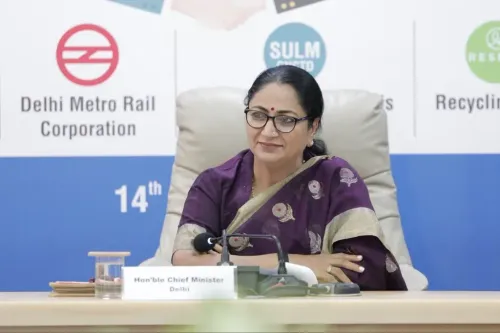
Old clothes dropped at a metro station, stitched back into livelihoods for women across Delhi — that is the compact promise behind Arpan Kendras, a textile recycling initiative anchored inside the city's busiest public transit hubs. Delhi Chief Minister Rekha Gupta highlighted the programme on Tuesday, 29 September 2026, calling it a convergence of sustainability and social empowerment.
What Arpan Kendras do — and where they sit
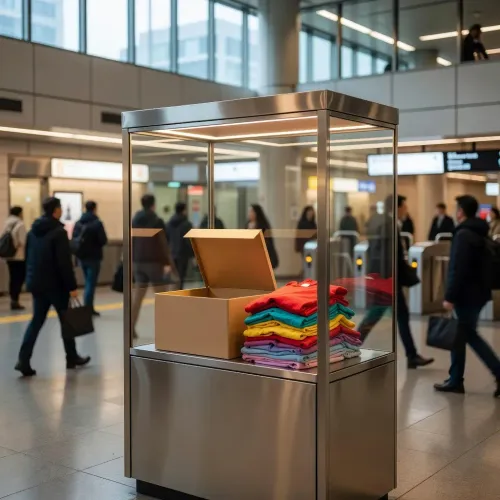
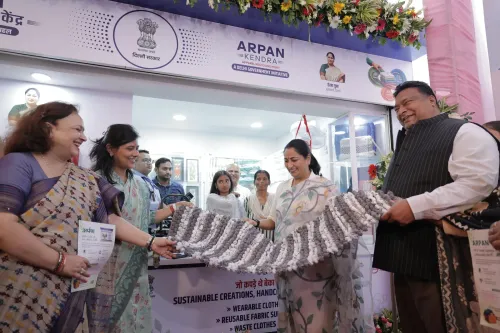
The centres function as drop-off points where citizens leave behind unwanted clothing, which is then channelled through a reuse, recycling and upcycling pipeline rather than ending up in a landfill. Their placement inside Delhi Metro stations is deliberate: daily footfall in the millions means awareness and access at scale. 10 centres are already operational, with more locations in the pipeline, according to the Chief Minister's post.
The Delhi Metro Rail Corporation's network, one of Asia's largest rapid transit systems, has increasingly doubled as civic infrastructure — hosting everything from health kiosks to skill centres — making it a natural home for an initiative that needs volume to work.
Self Help Groups at the centre of the livelihood chain
The programme's second engine is its link to Self Help Groups (SHGs) — women-led micro-enterprise collectives that have long been a cornerstone of grassroots economic policy across India. By routing collected textiles through SHGs, Arpan Kendras convert donated fabric into income: tailoring, repurposing, resale. The model sidesteps the need for large formal infrastructure by plugging into an existing network of skilled women workers.
India's National Framework for Circular Economy in Textiles and the decade-old Swachh Bharat Mission both flag post-consumer textile waste as an under-addressed gap in urban waste management. Arpan Kendras fit squarely within that policy lineage — but the metro-station delivery mechanism gives the concept a street-level immediacy that earlier municipal drives often lacked.
The #SevaSankalpAbhiyan thread
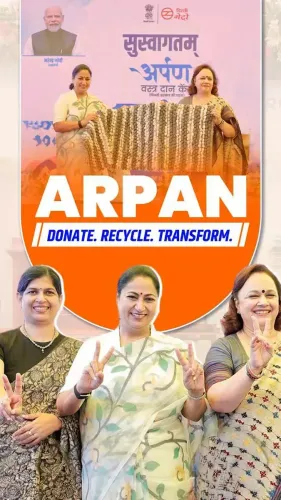
Gupta's post is hashtagged under #SevaSankalpAbhiyan (Seva Sankalp Abhiyan — 'pledge of service campaign'), a citizen-participation drive that has been surfacing welfare and sustainability stories from across Delhi. Framing Arpan Kendras within that campaign signals an intent to build a visible public narrative around civic contribution — turning a recycling box at a metro gate into something residents feel personally connected to.
The next measure of success will be hard data: waste volumes diverted, number of SHG members employed, income generated per centre. Those numbers, when they arrive, will determine whether Arpan Kendras scale from a promising pilot into a replicable urban model for India's other megacities.
Point of View
The SHG linkage serves a dual political purpose: it lets the BJP-led Delhi government claim both the green-city and women-empowerment narratives simultaneously. The programme's credibility will ultimately rest on published outcome data — waste volumes and SHG incomes — which have not yet entered the public record. If those numbers hold up, Arpan Kendras could become a replicable template that other state governments adopt as India accelerates its post-consumer textile recycling agenda.
NationPress
29 Sept 2026
Frequently Asked Questions
What are Arpan Kendras in Delhi?
Arpan Kendras are textile collection centres located at Delhi Metro stations where citizens can drop off old or unwanted clothes. The garments are then reused, recycled or upcycled, with processing work channelled through women-led Self Help Groups to generate livelihoods.
How many Arpan Kendras are there in Delhi?
As of Delhi Chief Minister Rekha Gupta's post on 29 September 2026, 10 Arpan Kendra centres are operational across Delhi Metro stations, with more locations planned.
What is SevaSankalpAbhiyan?
SevaSankalpAbhiyan is a service and welfare campaign by the Delhi government designed to encourage citizen participation in sustainability and community welfare initiatives, under which Arpan Kendras are being promoted.
How do Arpan Kendras help women?
Donated clothes collected at Arpan Kendras are routed through Self Help Groups — women-led micro-enterprise collectives — who process, repurpose or resell the textiles, generating direct income for participating members.
How do Delhi Metro recycling centres fit into India's textile waste policy?
India's Swachh Bharat Mission and the National Framework for Circular Economy in Textiles both identify post-consumer textile waste as a key urban challenge. Metro-based drop-off points like Arpan Kendras address this by using high-footfall transit hubs to maximise collection rates.