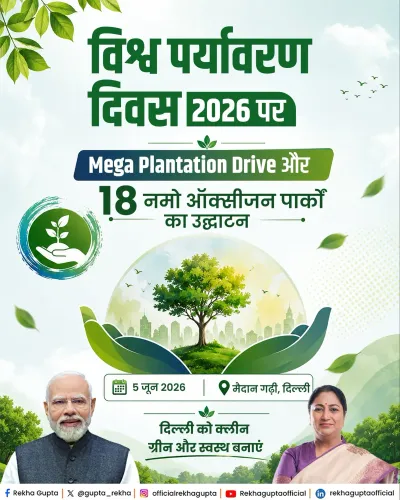
CM Rekha Gupta Launches Mission 70 Lakh Plantation Drive in Delhi

Synopsis
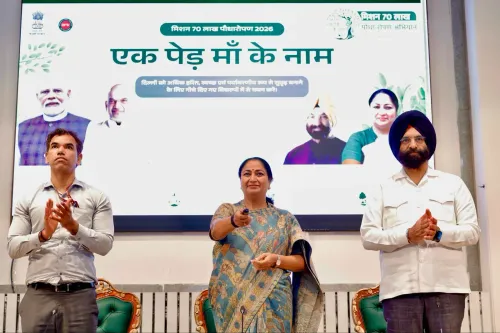
Delhi Chief Minister Rekha Gupta has launched 'Mission 70 Lakh Paudharopan Abhiyan,' a citizen-participation plantation drive inaugurated by Union Minister Amit Shah at R.K. Puram. The campaign introduces online sapling booking and coincides with the induction of 300 new electric buses into Delhi's public transport fleet.
Key Takeaways
Delhi CM Rekha Gupta announced 'Mission 70 Lakh Paudharopan Abhiyan,' targeting the plantation of 70 lakh saplings across the capital.
Union Home Minister Amit Shah formally inaugurated the campaign at Central Park, Sector-12, R.K.
Puram on 7 July 2026 .
An online sapling booking facility has been introduced for the first time in Delhi to enable citizen participation.
300 new electric buses were inducted into Delhi's public transport fleet at the same event.
The drive is linked to the central government's 'Ek Ped Maa Ke Naam' national afforestation campaign launched in 2024.
The monsoon-season timing is deliberate, maximising sapling survival rates during Delhi's annual greening window.
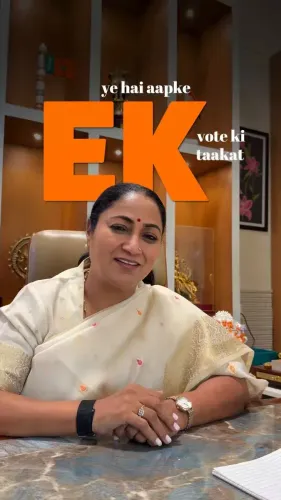
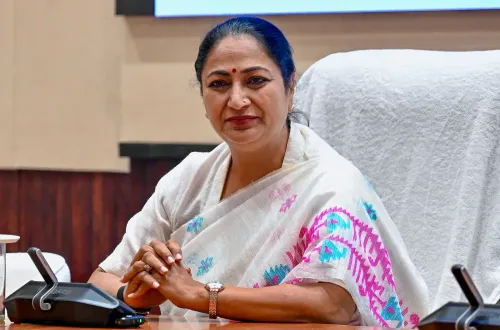
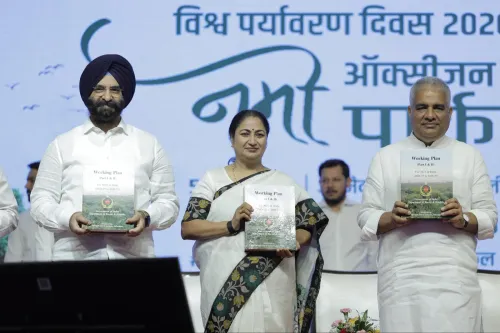
Delhi Chief Minister Rekha Gupta on Tuesday, 7 July 2026, announced the launch of 'Mission 70 Lakh Paudharopan Abhiyan' — a citizen-participation-driven mass tree plantation drive — with Union Home and Cooperation Minister Amit Shah set to formally inaugurate the campaign at Central Park, Sector-12, R.K. Puram at 10:30 a.m. The event also marks the induction of 300 new electric buses into Delhi's public transport fleet, alongside the launch of several other environment and public welfare projects.
Context
Posting in Hindi on X (formerly Twitter), Chief Minister Gupta wrote: 'पहली बार दिल्ली में पौधारोपण को इतना सरल बनाया गया है' ('For the first time, tree plantation in Delhi has been made this simple'). She highlighted an online sapling booking facility as a defining feature of the campaign, framing it as a departure from earlier, less accessible plantation drives. Citizens can now reserve saplings digitally before planting them, lowering the barrier to participation.
The drive is aligned with the central government's 'Ek Ped Maa Ke Naam' (One Tree in Mother's Name) campaign, which was launched nationally in 2024 to encourage large-scale citizen-driven afforestation across India. Gupta specifically invited Delhiites to join the national campaign, calling it a step toward a 'green, clean and developed Delhi.'
Policy Backdrop
Delhi has long grappled with some of the worst urban air quality in the world, driven by vehicular emissions, construction dust, crop stubble burning in neighbouring states, and industrial activity. Successive administrations have pursued urban forestry programmes and green cover targets as part of broader environmental remediation strategies. The monsoon window — typically July through September — is considered the optimal period for large-scale sapling plantation, making the timing of this launch deliberate.
The simultaneous induction of 300 electric buses connects the plantation drive to Delhi's wider decarbonisation push. The city's electric bus procurement programme traces its origins to state EV policy initiatives from around 2019–2020, aimed at reducing tailpipe emissions from the capital's vast public transport network. The convergence of greening and e-mobility announcements at a single event signals an integrated approach to tackling air pollution.
Stakeholders and Impact
Delhi's residents are the primary intended beneficiaries, both as participants in the plantation drive and as future users of the expanded electric bus fleet. Environmental groups and urban planners have consistently argued that increasing green cover within city limits can provide modest but meaningful relief from the urban heat island effect and particulate matter accumulation. The online sapling booking mechanism is specifically designed to draw in younger, digitally connected citizens who may have found earlier drives logistically difficult to join.
Urban commuters stand to benefit directly from the 300 new electric buses, which are expected to reduce crowding on existing routes and cut emissions per passenger-kilometre. The broader pattern across Indian states — aligning local plantation targets with the Ek Ped Maa Ke Naam framework — also means Delhi's numbers feed into national green cover reporting, giving the drive both local and federal significance.
What's Next
The critical test for Mission 70 Lakh Paudharopan Abhiyan will be the phased rollout of the sapling target across Delhi's wards and green spaces through the monsoon season. Sustaining plantation numbers beyond the ceremonial launch — ensuring saplings are watered, maintained, and survive past the first year — has historically been a challenge for large urban drives. Further electric bus inductions by Delhi Transport Corporation (DTC) are also expected in the coming months as the city works toward its e-mobility targets. The combination of citizen engagement tools, ministerial-level inauguration, and infrastructure delivery suggests the administration intends this as a flagship environmental initiative heading into the post-monsoon air quality season.
Point of View
The administration elevates the drive from a municipal exercise to a statement of Centre-state alignment on environmental policy. The online sapling booking feature is a deliberate modernisation signal, aimed at differentiating this campaign from earlier drives that were criticised for poor follow-through. Bundling the electric bus induction with the plantation launch allows the government to present a composite green narrative ahead of the post-monsoon pollution season, when Delhi's air quality typically becomes a national flashpoint.
NationPress
7 Jul 2026
Frequently Asked Questions
What is Mission 70 Lakh Paudharopan Abhiyan in Delhi?
Mission 70 Lakh Paudharopan Abhiyan is a mass tree plantation drive launched by the Delhi government targeting the planting of 70 lakh (7 million) saplings across the capital. It features an online sapling booking facility for citizens and is aligned with the central government's 'Ek Ped Maa Ke Naam' campaign.
Who launched the Delhi tree plantation drive on 7 July 2026?
Union Home and Cooperation Minister Amit Shah formally inaugurated the campaign at Central Park, Sector-12, R.K. Puram on 7 July 2026, at the invitation of Delhi Chief Minister Rekha Gupta.
What is the 'Ek Ped Maa Ke Naam' campaign?
'Ek Ped Maa Ke Naam' (One Tree in Mother's Name) is a nationwide afforestation campaign promoted by the central government, launched in 2024, to encourage citizens to plant trees as a tribute to their mothers and contribute to India's green cover targets.
How can Delhi residents book saplings online for the plantation drive?
The Delhi government has introduced an online sapling booking facility as part of Mission 70 Lakh Paudharopan Abhiyan, allowing residents to reserve saplings digitally — a first for the capital's plantation programmes. Specific portal details are expected to be shared by the Delhi government.
How many electric buses were added to Delhi's fleet at the 7 July 2026 event?
300 new electric buses were inducted into Delhi's public transport fleet at the same inauguration event, as part of the city's ongoing push to reduce vehicular emissions and expand green mobility.