CM Rekha Gupta Opens Blind Relief Association's Diwali Bazaar 2026
Synopsis
Delhi CM Rekha Gupta inaugurated the Blind Relief Association's 'Diwali Bazaar 2026' on 30 October, appealing to Delhiites to shop at the week-long market where proceeds fund free education and vocational training for visually impaired children and youth.
Key Takeaways
Delhi CM Rekha Gupta inaugurated the Diwali Bazaar 2026 organised by the Blind Relief Association on 30 October 2026 .
The market runs from 30 October to 5 November 2026 , giving residents a full week to participate.
Visually impaired artisans and partner institutions sell self-made products at the bazaar.
All proceeds go directly toward free education and vocational training for visually impaired children and youth.
CM Gupta framed the appeal around aatmanirbharta (self-reliance), urging citizens to let their festive spending create economic opportunity for marginalised artisans.
The initiative reflects the framework of the Rights of Persons with Disabilities Act, 2016 , which mandates skill development and economic inclusion for persons with disabilities.
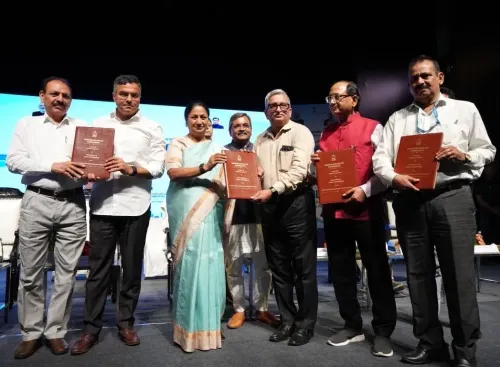
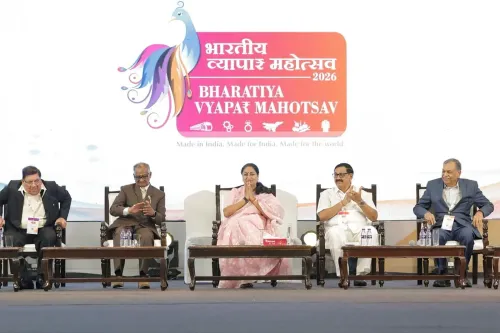
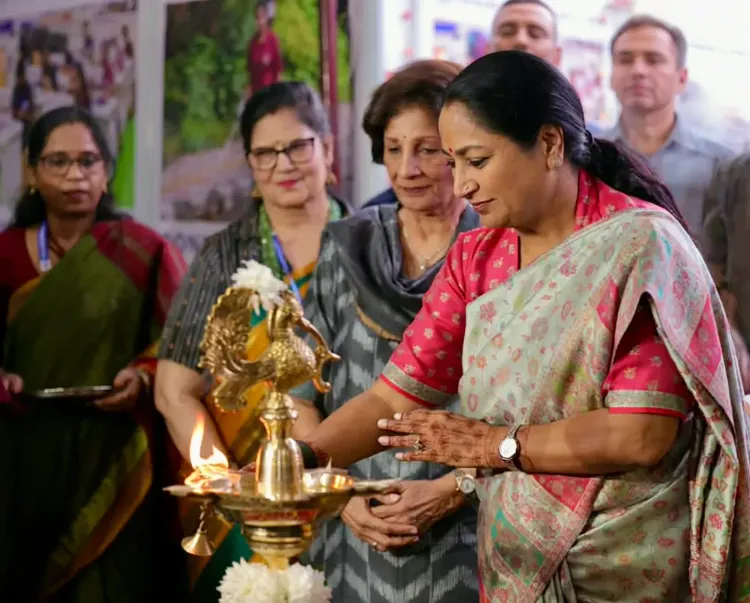
This Diwali, Delhi Chief Minister Rekha Gupta is asking the capital's residents to shop with purpose — and she opened the door herself on Friday, 30 October 2026, inaugurating the 'Diwali Bazaar 2026' organised by the Blind Relief Association in Delhi, where visually impaired artisans and partner institutions sell hand-crafted products whose proceeds fund free education and vocational training for visually impaired children and youth.
Sharing the occasion on X, CM Gupta appealed to citizens in Hindi: 'is Diwali, hamari khareedari kisi ke jeevan mein aatmanirbharta ka ujala lekar aae' — 'let our shopping this Diwali bring the light of self-reliance into someone's life.' It is a line that frames a festive purchasing decision as a direct act of welfare, not charity.
What the Diwali Bazaar actually does
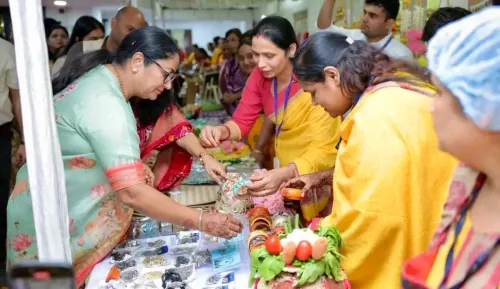
The Blind Relief Association, a Delhi-based NGO with a long record in disability rehabilitation, runs the bazaar as an annual revenue-generating mechanism. Visually impaired artisans and several partner institutions display and sell products they have made themselves. Every rupee earned feeds back into the Association's flagship programmes: free schooling and vocational training for blind children and young adults — a direct, closed loop between a customer's purchase and a student's opportunity.
The market runs from 30 October to 5 November 2026, giving Delhiites a full week to visit before the Diwali season winds down. CM Gupta urged people to come, buy, and 'encourage this noble effort,' adding a wholehearted sadhuvad — a public word of commendation — to the Association.
Self-reliance, disability rights, and Delhi's festive economy
The initiative sits squarely within the framework of the Rights of Persons with Disabilities Act, 2016, which expanded legal mandates for access to education, skill development, and economic participation for persons with disabilities. Events like this bazaar translate those mandates into lived income: artisans earn, institutions earn, and the proceeds circle back into training the next cohort.
Delhi administrations across political cycles have backed NGO-run festive markets as a low-cost, high-visibility mechanism for channelling consumer spending toward marginalised groups. What makes the Blind Relief Association's model distinctive is the vertical integration — production, sale, and reinvestment all happen within the same disability-welfare ecosystem.
For a Chief Minister eight days from Diwali, the optics and the substance align: a public inauguration that costs the exchequer nothing, directs private spending toward a proven welfare institution, and signals commitment to the aatmanirbharta — self-reliance — that has become a defining rhetorical pillar of governance in this era.
The real measure of this year's bazaar will be in its sales receipts — and whether strong numbers prompt a larger allocation for disability vocational schemes in Delhi's next budget cycle.
Point of View
CM Rekha Gupta converts a festive-season gesture into a statement about disability-inclusive economic policy — low fiscal cost, high symbolic value, and genuine welfare impact. The 'shop for self-reliance' framing is a deliberate echo of the broader aatmanirbharta vocabulary that has defined BJP governance narratives since 2020, now applied at the grassroots level. If the bazaar's sales figures are strong, they could become a data point for expanded budget allocations to disability vocational schemes in Delhi. The real policy test is whether this annual market remains a one-week event or seeds a year-round procurement commitment to disabled artisan groups.
NationPress
30 Oct 2026
Frequently Asked Questions
What is the Blind Relief Association Diwali Bazaar 2026?
It is an annual market organised by the Blind Relief Association in Delhi where visually impaired artisans and partner institutions sell hand-crafted products, with all proceeds funding free education and vocational training for visually impaired children and youth. The 2026 edition runs from 30 October to 5 November .
Who inaugurated the Diwali Bazaar 2026?
Delhi Chief Minister Rekha Gupta inaugurated the 'Diwali Bazaar 2026' on 30 October 2026 and appealed to citizens to visit and shop at the market during the week-long event.
How does the Diwali Bazaar help visually impaired youth?
The income generated from product sales at the bazaar is used entirely to provide free schooling and vocational training to blind children and young adults, creating a direct link between a purchase and an educational opportunity.
What is the Blind Relief Association in Delhi?
The Blind Relief Association is a Delhi-based NGO focused on education, rehabilitation, and vocational training for visually impaired individuals. It organises the annual Diwali Bazaar as a revenue-generating mechanism for its welfare programmes.
How does this initiative relate to India's disability rights law?
The bazaar aligns with the Rights of Persons with Disabilities Act, 2016 , which mandates greater access to education, skill development, and economic opportunities for persons with disabilities, translating legal protections into tangible income for visually impaired artisans.