PM Modi: Animal Husbandry Key to Rural Economy Growth
Synopsis
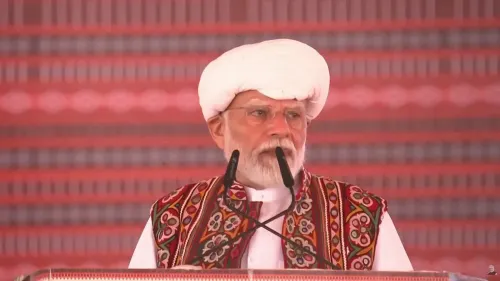
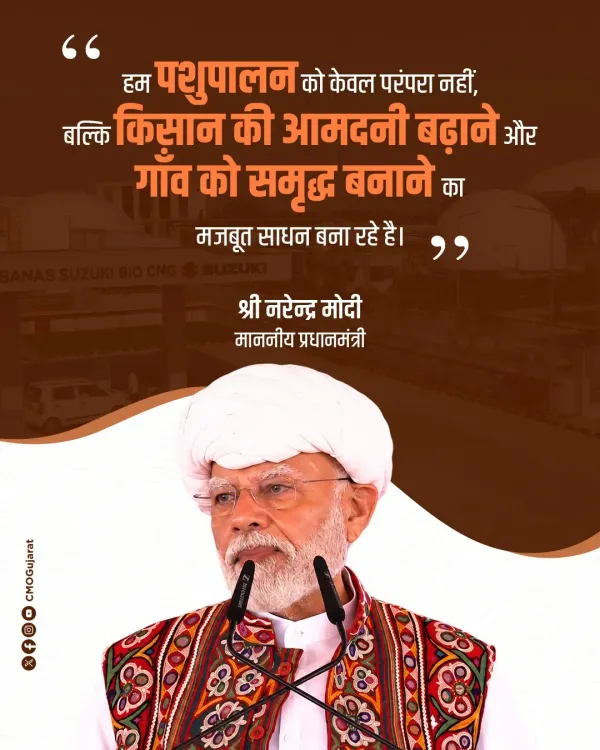
Prime Minister Narendra Modi has called animal husbandry a crucial driver of rural economic growth. Gujarat's Chief Minister's Office amplified the statement under the Kisan Kalyan Se Rashtra Kalyan banner, reinforcing a national push to position livestock alongside crop farming in India's rural income strategy.
Key Takeaways
PM Modi described animal husbandry as an equally important factor in rural economic development.
The statement was shared by the Chief Minister's Office of Gujarat on October 30, 2026 .
The post was tagged #KisanKalyanSeRashtraKalyan , linking farmer welfare to national economic progress.
Gujarat's cooperative dairy model makes the state a natural amplifier of national livestock policy messaging.
The Rashtriya Gokul Mission , launched in 2014 , remains the central policy vehicle for cattle breed improvement and dairy sector growth.
State budget allocations for livestock infrastructure will be the real indicator of how this messaging translates into action.
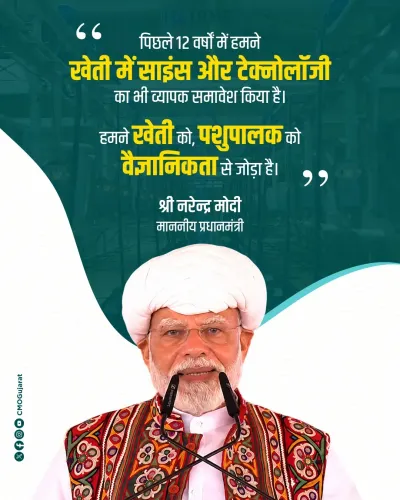
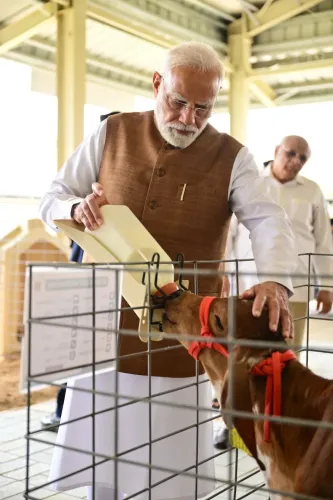
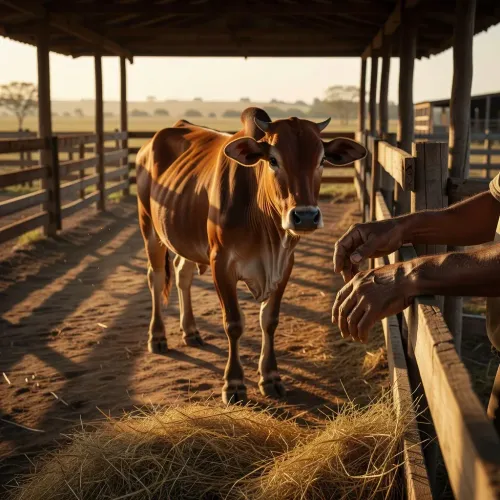
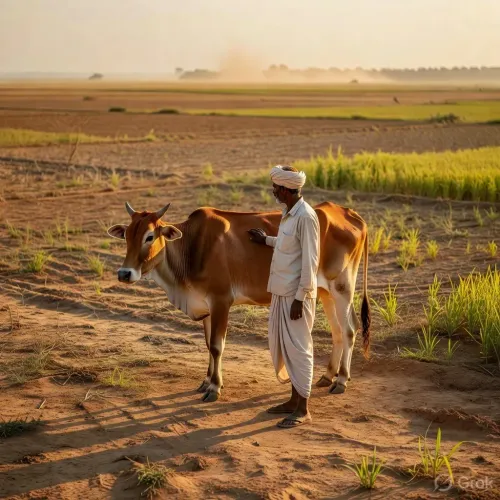
Rural India's livestock sector has a powerful advocate at the top — Prime Minister Narendra Modi has described animal husbandry as an equally important factor in driving the growth of the rural economy, a framing that places cattle and dairy firmly alongside crop farming in India's agricultural development story.
The Chief Minister's Office of Gujarat shared the Prime Minister's remarks on Friday, October 30, 2026, under the hashtag #KisanKalyanSeRashtraKalyan — meaning 'From Farmer Welfare, National Welfare' — signalling that the message is part of a broader, ongoing policy communication effort linking rural livelihoods to national economic progress.
Why livestock now — and why Gujarat is amplifying it
Animal husbandry has historically been treated as a secondary income source for India's farming households, but that framing has been steadily changing. Gujarat is particularly positioned to carry this message: the state's cooperative dairy model has long been a reference point for how livestock can anchor rural incomes at scale. By sharing the Prime Minister's remarks, the CMO is reinforcing that Gujarat's own agricultural identity aligns with national direction.
At the policy level, the Rashtriya Gokul Mission, launched in 2014, was designed precisely to strengthen indigenous cattle breeds and expand dairy and livestock infrastructure across states. It sits at the institutional backbone of the government's animal husbandry push — and messaging like this serves to keep that policy visible to farmers and state administrators alike.
The Kisan Kalyan framework — linking farm welfare to national goals
The Kisan Kalyan Se Rashtra Kalyan framing is not incidental. Central and state governments have increasingly packaged farmer welfare measures within a national-progress narrative, arguing that stable rural incomes translate directly into broader economic resilience. Animal husbandry — which provides income year-round, unlike seasonal crops — is a natural fit for this argument. Dairy farmers and rural livestock owners, particularly in states like Gujarat, Rajasthan, Uttar Pradesh, and Madhya Pradesh, are the intended audience for this sustained policy messaging.
What matters going forward is whether this message translates into concrete allocations — state budget line items for livestock infrastructure, veterinary services, and cold-chain investment are the real test of how seriously animal husbandry is being prioritised beyond the headline.
Frequently Asked Questions
What did PM Modi say about animal husbandry?
PM Modi described animal husbandry as an equally important factor in the development of the rural economy, placing livestock and dairy on par with crop farming in India's agricultural growth story.
What is the Kisan Kalyan Se Rashtra Kalyan initiative?
'Kisan Kalyan Se Rashtra Kalyan' means 'From Farmer Welfare, National Welfare.' It is a policy communication framework used by the central and state governments to link farmer welfare schemes with broader national economic development goals.
What is the Rashtriya Gokul Mission?
The Rashtriya Gokul Mission is a central government scheme launched in 2014 to conserve and develop indigenous cattle breeds, improve milk productivity, and strengthen dairy and livestock infrastructure across India.
Why is Gujarat significant in India's animal husbandry sector?
Gujarat holds a prominent position in India's national milk production, largely due to its well-established cooperative dairy model, which has historically provided a stable income base for rural livestock owners and dairy farmers across the state.
How does animal husbandry help rural farmers in India?
Unlike seasonal crops, livestock provides farmers with year-round income through milk, meat, and related products. Indian policy increasingly recognises animal husbandry as a key tool for stabilising rural incomes and reducing the vulnerability of farm households to crop failures.