CM Rekha Gupta launches Jan Kalyan Shivirs across Delhi
Synopsis
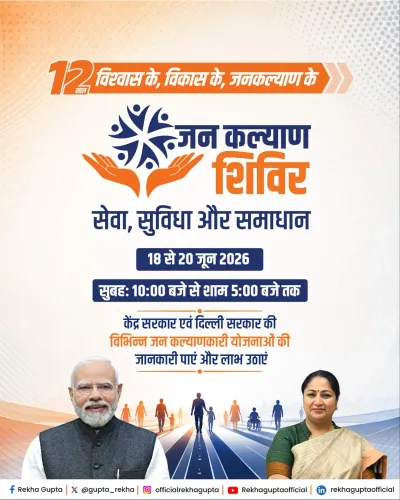
Delhi Chief Minister Rekha Gupta on 18 June 2026 launched Jan Kalyan Shivirs at 42 locations across the capital, offering single-window access to central and state welfare scheme registration from 18 to 20 June, inspired by PM Modi's 12-year governance milestone.
Key Takeaways
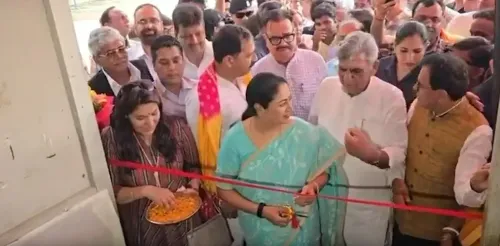
Delhi CM Rekha Gupta inaugurated the Jan Kalyan Shivir drive on 18 June 2026 at Sandesh Vihar MCD Community Hall .
Camps run across 42 locations in Delhi from 18 to 20 June 2026 .
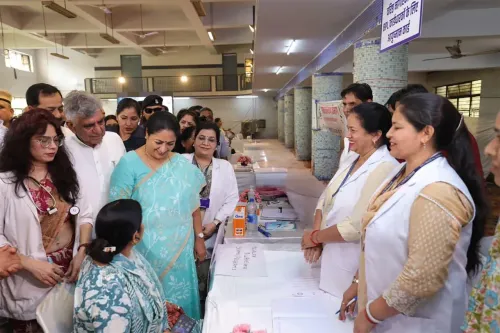
Residents can access information, registration and services for both central and Delhi government schemes at a single venue.
The initiative is framed as a tribute to PM Narendra Modi's 12 years of governance under the #12YearsOfSeva hashtag.
The MCD community hall network is providing the venue infrastructure for the camps.
The drive aims to improve last-mile scheme saturation among eligible but unenrolled Delhi residents .
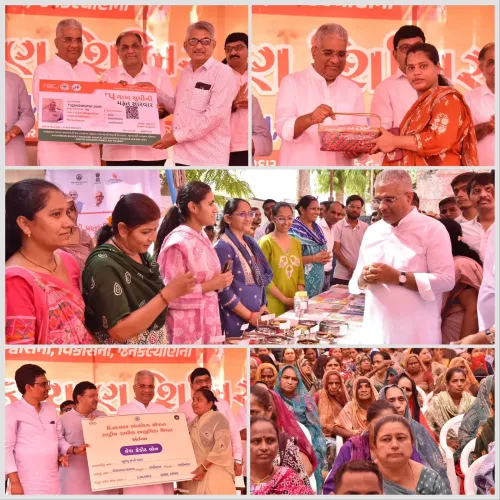
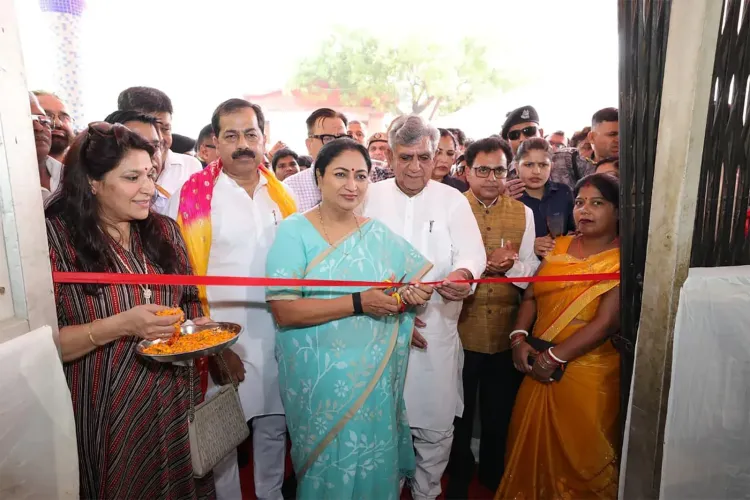
Delhi Chief Minister Rekha Gupta on Thursday, 18 June 2026 inaugurated a Jan Kalyan Shivir (public welfare camp) at the MCD Community Hall in Sandesh Vihar, marking the start of a three-day, city-wide outreach drive to connect residents with central and state government welfare schemes.
Context
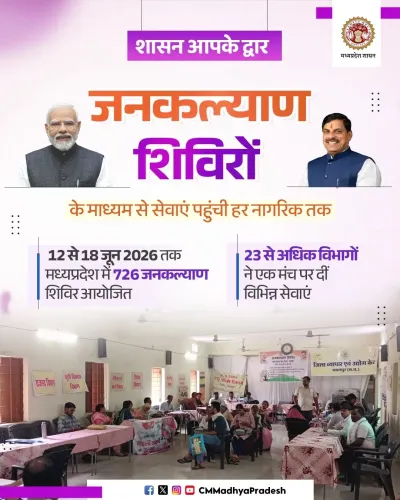
Posting on X, CM Gupta announced that the Delhi government is running these camps from 18 to 20 June 2026 at 42 locations across the capital. She described the initiative as inspired by Prime Minister Narendra Modi's 12 years of governance, framed under the themes of vishwas, vikas aur jankalyan (trust, development and public welfare). Residents can visit the nearest camp to access information, registration and services related to multiple government schemes — all under one roof.
The Chief Minister urged all Delhi residents: 'Apne nikatam Jan Kalyan Shivir mein pahunchkar in suvidhaon ka labh avashya uthayein' — 'Do visit your nearest Jan Kalyan Shivir and make use of these facilities.' The camps carry the hashtags #12YearsOfSeva and #ViksitDelhi, tying local delivery to the broader national 'Viksit Bharat' narrative.
Policy Backdrop
Since 2014, the central government has run a series of direct-benefit transfer schemes — including PM Awas Yojana, Ujjwala and Ayushman Bharat — that depend on last-mile registration drives to reach eligible households. Periodic single-window camps have become a standard administrative tool for BJP-governed states to accelerate enrolment and resolve grievance backlogs.
The Municipal Corporation of Delhi (MCD), whose community halls are being used as venue infrastructure, plays a key role in local civic outreach. By combining central flagship programmes with Delhi government schemes at a single counter, the camps aim to reduce the paperwork burden on residents who would otherwise need to visit multiple offices.
Stakeholders and Impact
The primary beneficiaries are Delhi's low- and middle-income residents who may be eligible for welfare schemes but have not yet completed registration. Scheme categories typically covered at such camps include housing assistance, health insurance, cooking-gas subsidies and livelihood support.
With 42 venues active simultaneously over three days, the drive represents one of the larger single-window outreach exercises the Delhi government has undertaken. Community-hall infrastructure provided by the MCD allows the camps to be distributed across localities rather than concentrated at secretariat offices.
What's Next
The camps run through 20 June 2026, after which the government is expected to report enrolment numbers and new registrations as a measure of outreach effectiveness. Analysts will watch whether the #12YearsOfSeva framing translates into a sustained facilitation mechanism — such as permanent single-window centres — or remains a time-bound campaign. Any follow-up announcements on making such services available year-round would signal a deeper shift in how Delhi delivers welfare at the neighbourhood level.
Point of View
High-visibility outreach events to close the gap between policy announcement and ground-level enrolment. By anchoring the exercise to PM Modi's 12-year governance milestone, the Delhi government is simultaneously performing administrative delivery and political messaging. The single-window format addresses a genuine friction point for residents navigating multiple bureaucracies, but its long-term impact will depend on whether the infrastructure outlasts the campaign cycle. If enrolment numbers are publicly reported, the camps will also serve as a benchmark for future welfare delivery accountability in the capital.
NationPress
19 Sept 2026
Frequently Asked Questions
What is Jan Kalyan Shivir in Delhi?
Jan Kalyan Shivir is a single-window welfare camp organised by the Delhi government where residents can get information, register for, and access services related to multiple central and state government schemes at one location.
Where are the Jan Kalyan Shivirs being held in Delhi in June 2026?
The camps are being held at 42 locations across Delhi from 18 to 20 June 2026 . The inaugural camp was held at the MCD Community Hall in Sandesh Vihar .
Which schemes are covered at the Delhi Jan Kalyan Shivir?
The camps cover a range of central and Delhi government welfare schemes. Central programmes such as PM Awas Yojana , Ujjwala and Ayushman Bharat are among the categories typically included in such drives.
Why did CM Rekha Gupta launch welfare camps on 18 June 2026?
CM Rekha Gupta launched the camps to mark PM Narendra Modi's 12 years in office, framing the outreach as an expression of the government's commitment to reaching more Delhi residents with welfare scheme benefits.
How can Delhi residents find their nearest Jan Kalyan Shivir?
Residents are advised to visit the nearest of the 42 designated camp venues across Delhi between 18 and 20 June 2026 . The Delhi government is expected to publicise venue lists through official channels.