CM Mohan Yadav's Jan Kalyan Shivirs Take Govt Services to MP Doorsteps
Synopsis
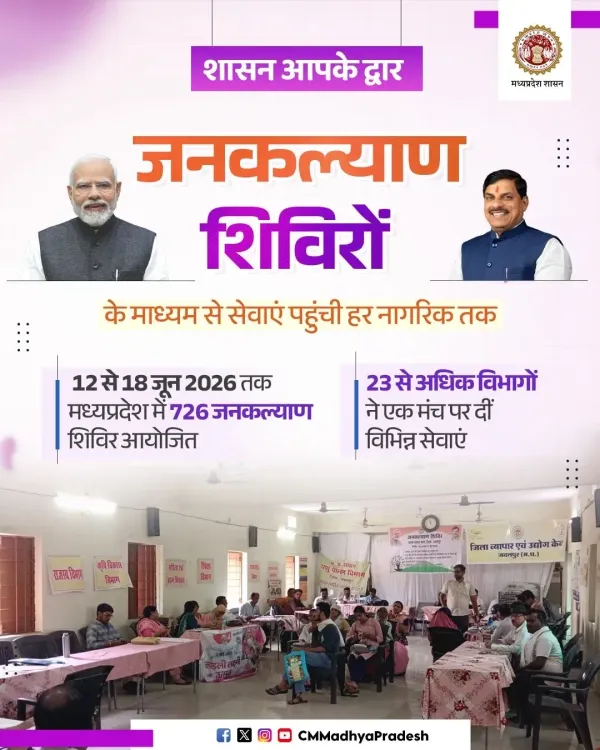
The Chief Minister's Office of Madhya Pradesh says Jan Kalyan Shivirs have carried government services to citizens statewide, with a large number of applications resolved — framing the camps as fresh momentum in CM Dr. Mohan Yadav's public service commitment.
Key Takeaways
The Chief Minister's Office of Madhya Pradesh announced on 26 July 2026 that Jan Kalyan Shivirs have delivered government services across the state.
A large number of citizen applications were successfully resolved through the camps, according to the official post.
Mohan Yadav has led the Madhya Pradesh government since December 2023 , with accelerated grievance redressal as a stated priority.
The shivir model targets residents with limited access to government offices, particularly in rural and semi-urban areas.
Madhya Pradesh has over 85 million residents , making last-mile service delivery a significant administrative challenge.
Detailed statistics on applications processed and potential expansion of the camp model are awaited from the government.
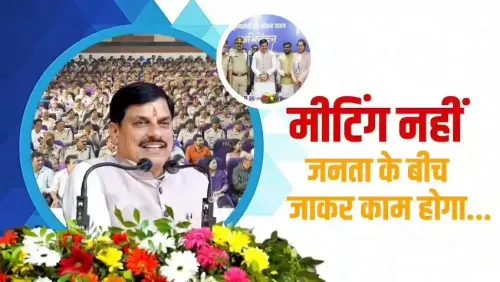
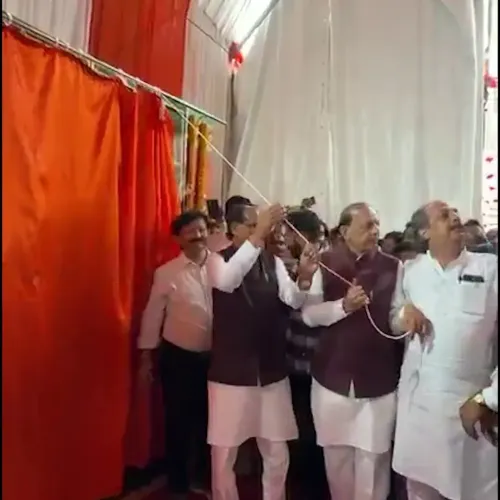
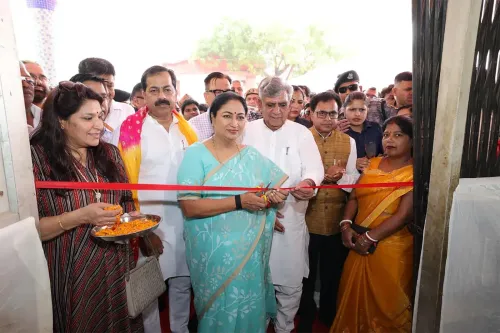
The Chief Minister's Office of Madhya Pradesh announced on Sunday, 26 July 2026, that the state government's Jan Kalyan Shivirs (public welfare camps) have successfully carried government services to citizens across the state, with a large number of pending applications resolved through the initiative. The post, attributed to Chief Minister Dr. Mohan Yadav, frames the camps as renewed momentum in the government's commitment to public service delivery.
Context
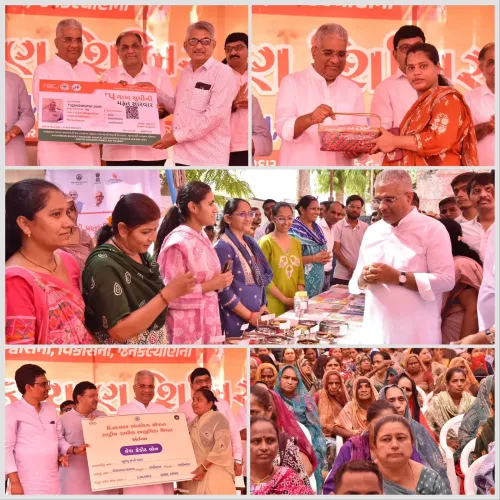
The official post declared: 'जनसेवा के संकल्प को नई गति' ('New momentum to the resolve of public service'), adding that through Jan Kalyan Shivirs, government services reached citizens across the state and a large number of applications were successfully resolved. The announcement underscores the Madhya Pradesh government's push to bring administrative machinery closer to ordinary residents, particularly those in areas where digital access or physical proximity to government offices remains a challenge.
Policy Backdrop
Temporary welfare and service camps have a long history in Indian state governance. Administrations across the country have deployed such models to extend revenue services, welfare scheme enrolment, and certification to underserved localities. Madhya Pradesh, a central Indian state with over 85 million residents, has periodically scaled such outreach alongside online portals as part of its last-mile governance strategy.
Following the 2023 state assembly elections, the Bharatiya Janata Party government under Dr. Mohan Yadav — who assumed office in December 2023 — prioritised accelerated grievance redressal and doorstep delivery of welfare schemes as a stated administrative priority. Jan Kalyan Shivirs represent a continuation and scaling of this approach.
Stakeholders and Impact
The primary beneficiaries of these camps are Madhya Pradesh citizens who may otherwise face barriers in accessing government services — including residents of rural and semi-urban areas, daily-wage workers who cannot afford repeated visits to district offices, and applicants awaiting resolution of welfare-related applications. The model also places accountability on district-level officials to process cases on the spot rather than deferring them through bureaucratic channels.
Broader patterns across BJP-governed states suggest such physical outreach programmes are often paired with administrative reforms and digital service portals, creating a hybrid delivery model. For Madhya Pradesh, the camps serve as a visible signal of the government's grassroots connect ahead of future electoral cycles.
What's Next
The government is expected to release detailed figures on the total number of applications processed and the specific services rendered through these shivirs. Observers will watch whether the camp model is expanded to additional districts or institutionalised as a recurring feature of the state's service-delivery calendar. The scale and frequency of future Jan Kalyan Shivirs will be a measure of how seriously the administration pursues last-mile governance beyond ceremonial announcements.
Point of View
On-ground outreach to reinforce the image of a responsive administration. For CM Dr. Mohan Yadav, who is still consolidating his political standing after taking charge in late 2023, such camps serve a dual purpose: administrative delivery and grassroots visibility. The framing of 'new momentum' suggests the government is deliberately positioning this as an escalation rather than a routine exercise. Whether the initiative translates into measurable improvements in service access will depend on the scale of rollout and the quality of resolution data the government chooses to make public.
NationPress
24 Oct 2026
Frequently Asked Questions
What are Jan Kalyan Shivirs in Madhya Pradesh?
Jan Kalyan Shivirs are temporary government welfare camps organised across Madhya Pradesh to bring administrative services — such as welfare scheme enrolment, grievance redressal, and certification — directly to citizens, especially in areas with limited access to government offices.
Who is the Chief Minister of Madhya Pradesh in 2026?
Dr. Mohan Yadav is the Chief Minister of Madhya Pradesh . He assumed office in December 2023 after the BJP won the state assembly elections.
What services are provided at Jan Kalyan Shivirs?
Jan Kalyan Shivirs typically provide a range of government services including welfare scheme applications, revenue services, and on-the-spot resolution of pending citizen applications, reducing the need for repeated visits to district offices.
How many people does Madhya Pradesh's government serve?
Madhya Pradesh has a population of over 85 million residents , making efficient and widespread service delivery a major administrative priority for the state government.
What is the significance of Jan Kalyan Shivirs for BJP governance?
Jan Kalyan Shivirs reflect a broader pattern across BJP -governed states of combining physical outreach with administrative reforms to demonstrate grassroots governance. They are seen as a way to improve last-mile delivery while also reinforcing the party's public-service image.