CM Rekha Gupta Pays Tribute on Tulsidas Jayanti
Synopsis
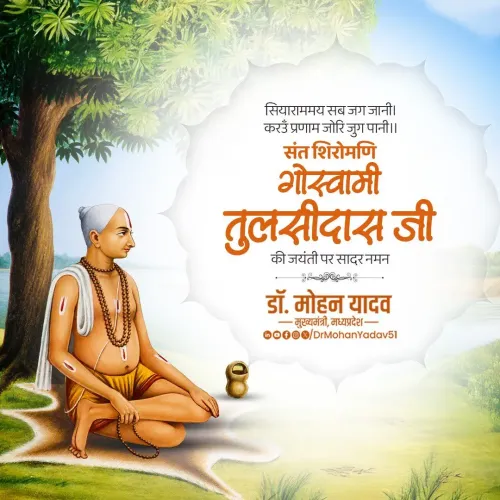
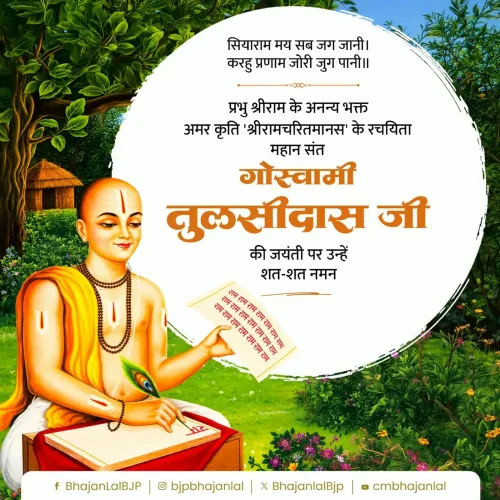
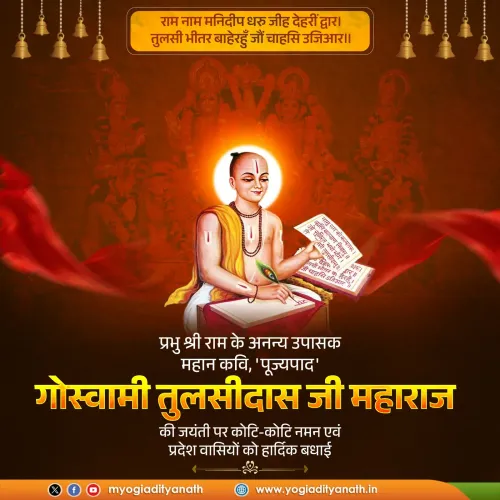
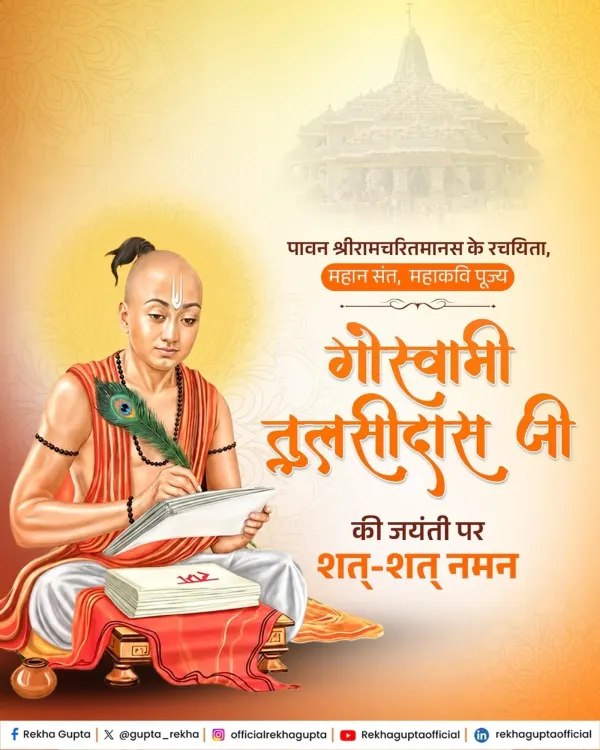
Delhi Chief Minister Rekha Gupta marked Tulsidas Jayanti on 19 August 2026 with a tribute to the 16th-century poet-saint, author of the Ramcharitmanas and Hanuman Chalisa, calling his works an undying treasury of India's spiritual and national identity.
Key Takeaways
Delhi CM Rekha Gupta posted a tribute to Goswami Tulsidas on his Jayanti, 19 August 2026 .
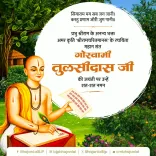
She opened with a verse from the Ramcharitmanas : 'Ramahi kewal premu piaara' — 'Ram cherishes only love.' Tulsidas is credited with composing the Shri Ramcharitmanas and the Hanuman Chalisa , two of the most widely recited texts in India.
CM Gupta highlighted how Tulsidas linked devotion to public welfare, faith to conduct, and religion to duty and righteous restraint.
She described his literary canon as the 'undying wealth' of Sanatan civilisation and India's national identity.
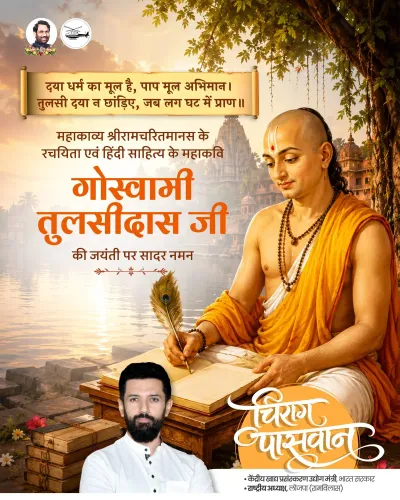
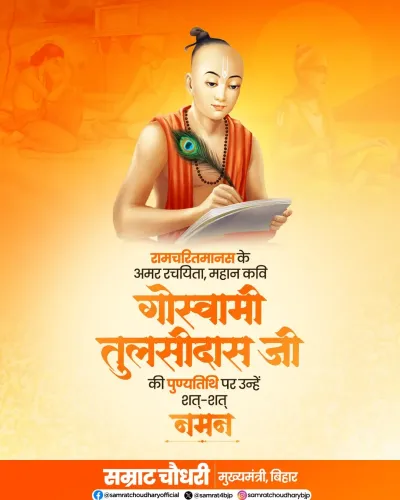
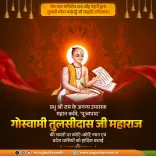
On the birth anniversary of one of India's greatest poet-saints, Delhi Chief Minister Rekha Gupta offered her homage to Goswami Tulsidas — the 16th-century sage whose verses reshaped how an entire civilisation understands devotion, duty, and righteousness.
Opening her tribute with a celebrated couplet from the Ramcharitmanas — 'Ramahi kewal premu piaara, jaani leu jo jaananihaara' ('Ram cherishes only love — let those who seek to know, know this') — CM Gupta saluted Tulsidas on his Jayanti, observed on Wednesday, 19 August 2026. She described his works as an inexhaustible treasury of India's spiritual tradition and national identity.
The poet who gave Ram to every household
Goswami Tulsidas, born in the 16th century, composed the Shri Ramcharitmanas — an Awadhi-language retelling of the Ramayana — and the universally recited Hanuman Chalisa. Where earlier Sanskrit texts confined the Ram narrative largely to the learned, Tulsidas carried it into the vernacular, into village courtyards and working-class homes. The Ramcharitmanas became not just scripture but a living social text — recited at births, deaths, weddings, and in times of personal crisis across northern India and the diaspora. CM Gupta's tribute specifically noted that Tulsidas's words wove bhakti (devotion) together with lokmangal (public welfare), faith with conduct, and religion with duty and maryada (righteous restraint). That framing — Ram not merely as a deity but as a model of kartavyabodh, a consciousness of duty — sits at the heart of the cultural argument Tulsidas made across his canon.Why Tulsidas still echoes in public life
The legacy CM Gupta invoked is not merely literary. The Ramcharitmanas has functioned for centuries as a handbook of social ethics, its verses quoted in courts, classrooms, and political speeches alike. Tulsidas's concept of Ramtva — the quality of being Ram-like — translates in practical terms to ideals of just governance, familial loyalty, and self-sacrifice. His insistence on samarasta, a harmonious social order, gave later reform movements a classical anchor. The Hanuman Chalisa, forty verses in praise of Lord Hanuman, is recited daily by tens of millions and has crossed religious and regional boundaries to become one of the most memorised texts in the subcontinent. CM Gupta called his timeless works the 'undying wealth' (akshay nidhi) of Sanatan civilisation and India's spiritual tradition — a living conscience, not a museum piece. That, on Tulsidas Jayanti, is the anniversary's enduring point.Point of View
Righteous conduct, social harmony — in classical Indic literary tradition. By foregrounding concepts like kartavyabodh and maryada, the tribute frames Tulsidas not merely as a devotional figure but as a civilisational reference point. For a Chief Minister of Delhi, invoking Tulsidas also carries a strong constituency resonance in a city with deep north-Indian cultural roots. The post signals that cultural commemoration remains a consistent thread in BJP leaders' public communication, reinforcing a narrative of continuity between Sanatan heritage and modern governance.
NationPress
19 Aug 2026
Frequently Asked Questions
When is Tulsidas Jayanti in 2026?
Tulsidas Jayanti in 2026 falls on Wednesday, 19 August , marking the birth anniversary of the 16th-century poet-saint Goswami Tulsidas.
Who was Goswami Tulsidas?
Goswami Tulsidas was a 16th-century Hindi poet-saint best known for composing the Shri Ramcharitmanas , an Awadhi retelling of the Ramayana, and the Hanuman Chalisa . His works are among the most widely read and recited texts in India.
What did Delhi CM Rekha Gupta say on Tulsidas Jayanti?
Delhi CM Rekha Gupta paid tribute to Tulsidas on his Jayanti, quoting a verse from the Ramcharitmanas and describing his works as an 'undying treasury' of India's spiritual tradition and national identity.
What is the significance of Ramcharitmanas?
The Ramcharitmanas is a 16th-century Awadhi epic by Tulsidas that retells the story of Lord Ram. It democratised the Ram narrative by bringing it out of Sanskrit into the vernacular, making it accessible to ordinary people across northern India.
What verse did Rekha Gupta quote from Ramcharitmanas?
CM Rekha Gupta quoted the couplet 'Ramahi kewal premu piaara, jaani leu jo jaananihaara' , which translates as 'Ram cherishes only love — let those who seek to know, know this.'