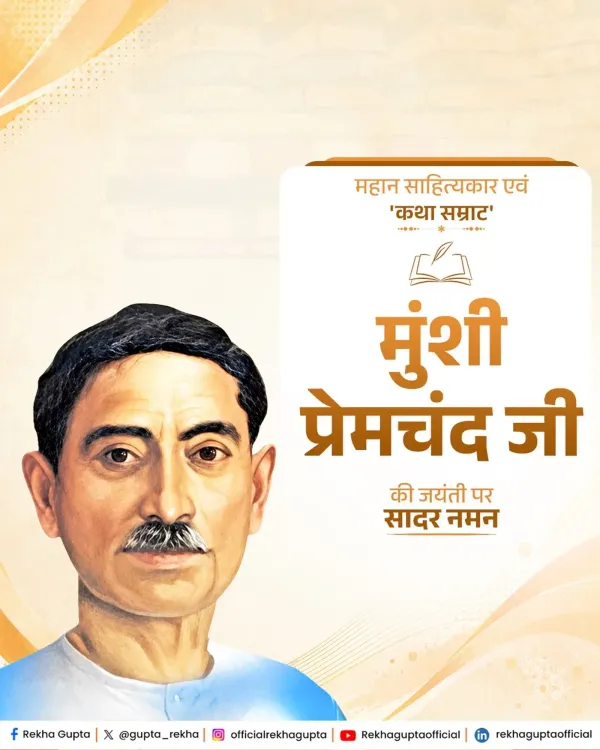
CM Rekha Gupta pays tribute to Munshi Premchand on his birth anniversary
Synopsis
Delhi Chief Minister Rekha Gupta paid tribute to Munshi Premchand on his birth anniversary on 31 July, calling him a visionary who gave voice to the struggles and self-respect of India's most marginalised. Premchand's novels and short stories remain cornerstones of Hindi-Urdu realist fiction.
Key Takeaways
Delhi CM Rekha Gupta posted a tribute to Munshi Premchand on his birth anniversary, 31 July .
She described him as a yugdrashta sahityakar — a visionary literary figure — who voiced the struggles of society's most marginalised.
Munshi Premchand (1880–1936) authored over 300 short stories and a dozen novels, including Godan and Nirmala .
His work centred rural poverty, caste, and women's rights — themes that remain relevant in contemporary India.
Marking Premchand's jayanti is a cross-party tradition among Indian political leaders, reflecting broad investment in Hindi literary heritage.
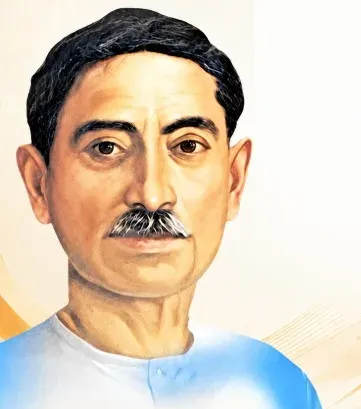
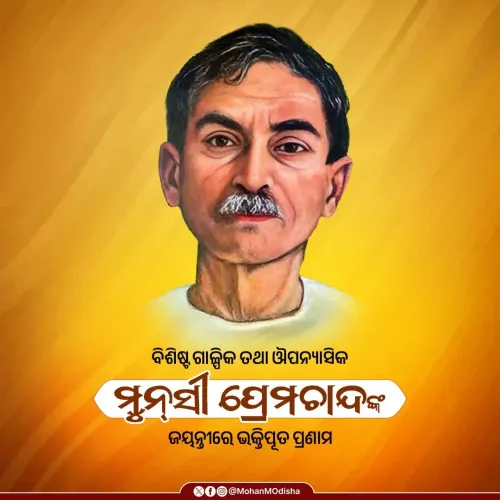
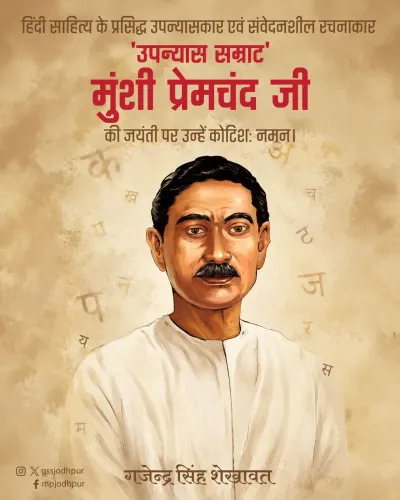
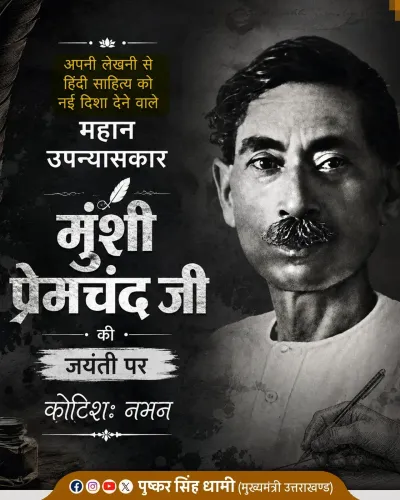
On the birth anniversary of one of Hindi literature's most enduring voices, Delhi Chief Minister Rekha Gupta offered her homage to Munshi Premchand on 31 July, saluting the writer who gave language to India's forgotten millions.
In her post, CM Gupta described Premchand as a 'yugdrashta sahityakar' — a visionary literary figure — and wrote that his pen gave voice to 'the life, struggle, and self-respect of the person standing in the last row of society.' She added that his works will continue to inspire social consciousness, human sensitivity, and national feeling.
The writer who refused to look away
Munshi Premchand (1880–1936) remains the defining name of Hindi-Urdu realist fiction. Born Dhanpat Rai Shrivastava in Lamhi, near Varanasi, he wrote more than a dozen novels and nearly 300 short stories across four decades, mapping rural poverty, caste oppression, widow remarriage, and colonial subjugation with unflinching clarity. Works like Godan, Nirmala, and the short story collection Manasorovar are still prescribed reading across Indian universities.
What set Premchand apart was his insistence on making the marginalised — the indebted farmer, the low-caste labourer, the widowed woman — the protagonist, not the backdrop. That editorial choice, radical for his era, is precisely the quality CM Gupta's tribute centres on.
A ritual of remembrance across the political spectrum
Each 31 July, Indian political leaders across parties mark Premchand's jayanti with public statements — a ritual that reflects a shared investment in Hindi literary heritage as a symbol of cultural continuity. For a BJP leader governing Delhi, invoking Premchand's emphasis on the dignity of the last person in line also carries a quiet resonance with the party's own 'Antyodaya' framing of welfare outreach.
No new policy or programme was announced alongside the tribute. The post stands as a mark of remembrance — but one rooted in a literary legacy that continues to shape how India reads itself.
More than 140 years after his birth, Premchand's characters still walk off the page and into the present. That staying power is the tribute no politician needs to write.
Point of View
Invoking the writer who championed 'the last person in the row' aligns neatly with the party's Antyodaya welfare rhetoric, even when no concrete policy follows. The gesture costs nothing politically and builds symbolic capital among Hindi-speaking voters who hold Premchand in genuine reverence. It also reflects a broader competition among parties to claim ownership of India's progressive literary canon.
NationPress
15 Sept 2026
Frequently Asked Questions
When is Munshi Premchand's birth anniversary?
Munshi Premchand's birth anniversary, known as Premchand Jayanti, is observed every year on 31 July . He was born on 31 July 1880 in Lamhi, near Varanasi.
What did Delhi CM Rekha Gupta say about Premchand?
CM Rekha Gupta called Premchand a visionary literary figure whose pen gave voice to 'the life, struggle, and self-respect of the person standing in the last row of society,' and said his works will continue to inspire social consciousness and national feeling.
Who was Munshi Premchand?
Munshi Premchand (1880–1936), born Dhanpat Rai Shrivastava in Lamhi near Varanasi, was the foremost Hindi-Urdu realist writer of his era. He wrote over 300 short stories and novels including Godan and Nirmala , focusing on rural poverty, caste, and women's rights.
Why do Indian politicians tribute Premchand every year?
Premchand's 31 July birth anniversary is a fixture in the Indian political calendar because his work on poverty, dignity, and social reform gives leaders across parties a shared cultural touchstone to invoke — especially among Hindi-speaking audiences.
Is Rekha Gupta the Chief Minister of Delhi?
Yes, Rekha Gupta is the Chief Minister of Delhi and a leader of the Bharatiya Janata Party (BJP) .