CM Rekha Gupta Pays Tribute to Rani Durgavati on Death Anniversary
Synopsis
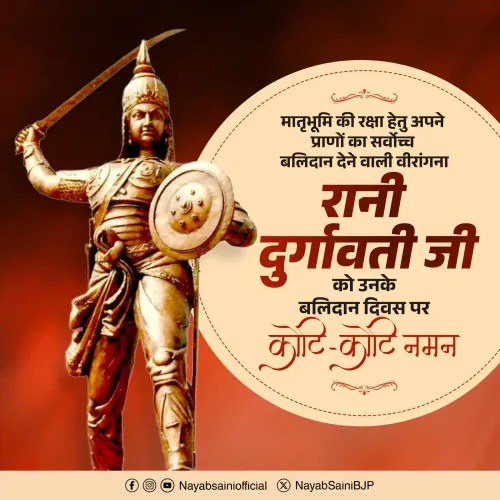
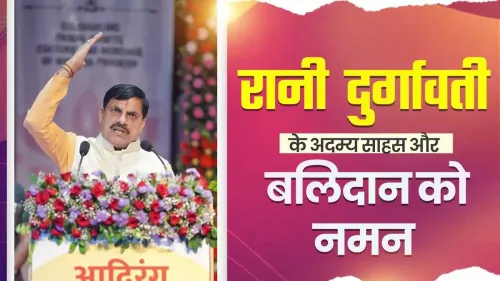
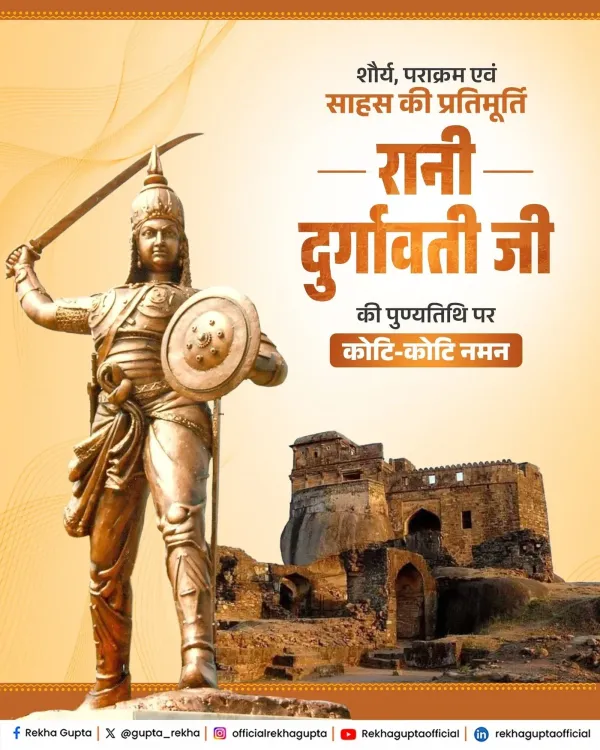
Delhi Chief Minister Rekha Gupta on 24 June 2026 paid tribute to Rani Durgavati, the 16th-century Gond warrior queen who died in battle against Mughal forces on this day in 1564, calling her an eternal source of national inspiration and a symbol of women's power and self-respect.
Key Takeaways
Delhi CM Rekha Gupta posted a tribute to Rani Durgavati on her death anniversary, 24 June 2026 .
Rani Durgavati was the queen of the Gond kingdom in central India who died in battle against Mughal Emperor Akbar's forces on 24 June 1564 .
Gupta described the queen as a 'symbol of nari shakti , valour, and self-respect' whose sacrifice will 'forever inspire the nation.' Rani Durgavati Vishwavidyalaya in Jabalpur , established in 1956 , stands as an institutional tribute to her legacy.
The tribute fits a broader pattern of BJP leaders invoking pre-colonial warrior women to reinforce contemporary women's empowerment messaging.
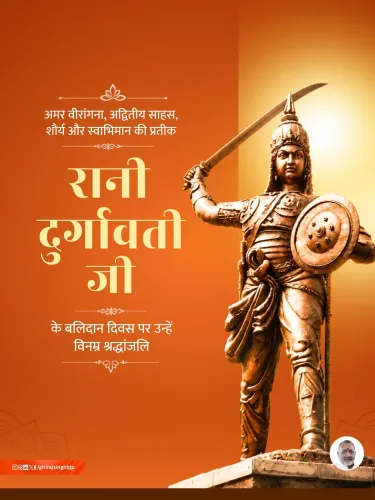
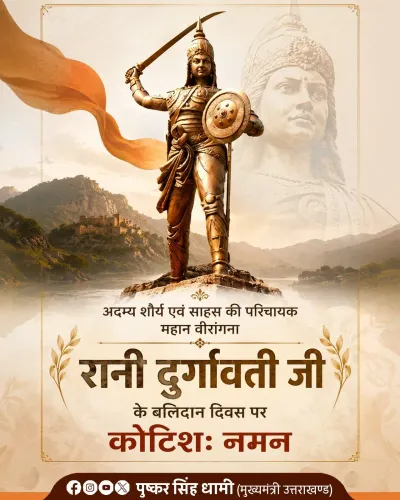
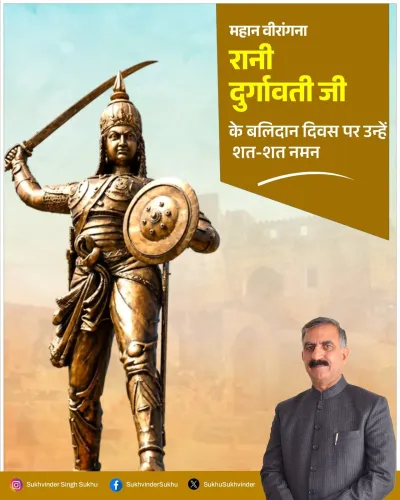
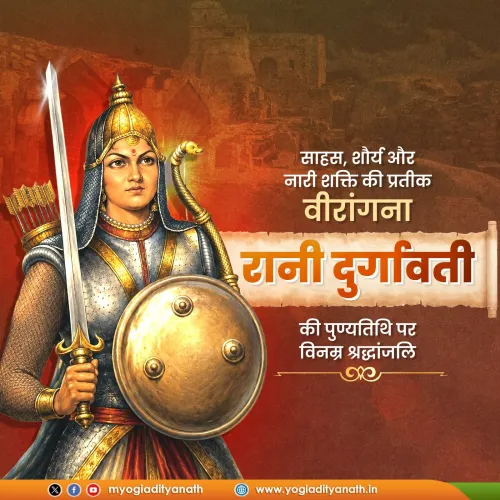
Delhi Chief Minister Rekha Gupta on Wednesday, 24 June 2026, paid tribute to Rani Durgavati, the 16th-century Gond warrior queen, on her death anniversary, honouring her as a symbol of nari shakti (women's power), valour, and self-respect.
In her post, Gupta wrote: 'Nari shakti ki pratik, veerta aur swabhiman ki pratimoorti Virangana Rani Durgavati ji ki punyatithi par unhe vinamra shraddhanjali' — offering humble homage to the 'embodiment of women's power, courage, and self-respect' on her death anniversary. She added that Rani Durgavati's 'indomitable courage, sacrifice, and martyrdom in defence of the motherland will forever inspire the nation.'
Context
Rani Durgavati was the queen of the Gond kingdom in central India, ruling from the region around present-day Jabalpur, Madhya Pradesh. On 24 June 1564, she died in battle rather than surrender to the advancing Mughal forces of Emperor Akbar, becoming a celebrated figure of resistance and martial pride in Indian history. Her death anniversary, known as punyatithi, is observed annually across central India and by political leaders nationwide.
Policy Backdrop
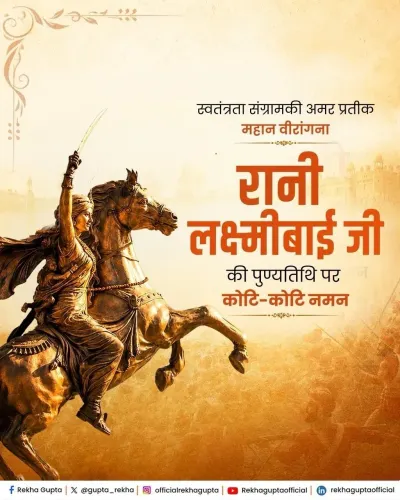
Rani Durgavati's legacy has been institutionally recognised through the establishment of Rani Durgavati Vishwavidyalaya in Jabalpur in 1956, one of the earliest universities in Madhya Pradesh to be named after a historical woman figure. Her image has long been invoked in discussions around women's empowerment and pre-colonial resistance, themes that resonate across political discourse in India. The BJP in particular has consistently drawn on the legacies of warrior queens such as Rani Durgavati, Rani Lakshmibai of Jhansi, and Ahilyabai Holkar to frame its nari shakti narrative in contemporary politics.
Stakeholders and Impact
Tributes of this kind carry symbolic weight for communities in Madhya Pradesh and Chhattisgarh, where Rani Durgavati is a revered historical figure and a source of regional pride. For Indian women and girls, the invocation of her legacy serves as a cultural touchstone for themes of agency, courage, and patriotism. Political messaging centred on historical warrior women also feeds into broader government programmes on women's safety and empowerment at both the state and central levels.
What's Next
The 24 June anniversary typically sees state-level commemorative events in Madhya Pradesh, including wreath-laying ceremonies and cultural programmes in Jabalpur and Mandla. Political leaders across parties are expected to mark the occasion with public statements and, in some years, announcements tied to women's empowerment schemes. Observers will watch whether Delhi or central government bodies link this anniversary to any new policy initiative in the coming days.
Point of View
One that fuses historical commemoration with the party's ongoing 'nari shakti' branding. By invoking a 16th-century queen who chose death over surrender to Mughal forces, the messaging simultaneously taps nationalist sentiment and women's empowerment themes. For a sitting Chief Minister of Delhi, such posts also serve a constituency-building function, signalling cultural alignment with a broad swath of Hindu nationalist voters beyond the capital. The consistency of this pattern across BJP leaders on 24 June each year suggests a coordinated commemorative calendar rather than spontaneous tribute.
NationPress
24 Jun 2026
Frequently Asked Questions
Who was Rani Durgavati and why is she remembered?
Rani Durgavati was the queen of the Gond kingdom in central India who fought against Mughal Emperor Akbar's forces and died in battle on 24 June 1564, choosing martyrdom over surrender. She is remembered as a symbol of women's courage, self-respect, and resistance to external aggression.
When is Rani Durgavati's death anniversary?
Rani Durgavati's death anniversary, known as punyatithi , falls on 24 June each year, marking the day she died in battle in 1564 .
What did Delhi CM Rekha Gupta say about Rani Durgavati?
Delhi CM Rekha Gupta called Rani Durgavati a 'symbol of nari shakti, valour, and self-respect' and said her 'indomitable courage, sacrifice, and martyrdom in defence of the motherland will forever inspire the nation.'
Is there a university named after Rani Durgavati?
Yes, Rani Durgavati Vishwavidyalaya in Jabalpur, Madhya Pradesh was established in 1956 to honour her legacy and is one of the prominent universities in central India.
Why do BJP leaders regularly pay tribute to Rani Durgavati?
BJP leaders regularly invoke Rani Durgavati's legacy to highlight themes of nari shakti, territorial defence, and resistance to external rule, aligning historical warrior queens with the party's contemporary women's empowerment and nationalist messaging.