Tharoor Uses Kafka's Cockroach to Decode India's Youth Frustration
Synopsis
Congress MP Dr. Shashi Tharoor has written a new column in The Week using Franz Kafka's cockroach metaphor to argue that India's political class must stop dismissing and start genuinely engaging the aspirations of a frustrated younger generation.
Key Takeaways
Shashi Tharoor published a new opinion column in The Week on June 20, 2026 , linking Kafka's literary metaphor to Indian political discourse.
He uses the 'cockroach' from Kafka's The Metamorphosis (1915) to represent citizens — especially youth — rendered invisible by the political establishment.
Tharoor calls on the political class to 'drop the metaphorical bug spray' and genuinely listen to a 'frustrated generation that is not going anywhere.' The column fits a broader pattern of Tharoor blending 20th-century European literature with contemporary Indian political commentary.
The piece speaks to sustained public debate in India around youth unemployment, political representation, and social mobility.
Tharoor is a Congress MP from Thiruvananthapuram , former Union Minister , and former UN Under-Secretary-General .
Congress MP Dr. Shashi Tharoor on Wednesday, June 24, 2026, shared a new opinion column in which he draws on Franz Kafka's literary metaphor of the 'cockroach' to argue that India's political establishment must stop suppressing and start genuinely listening to the aspirations of a frustrated younger generation.
Context
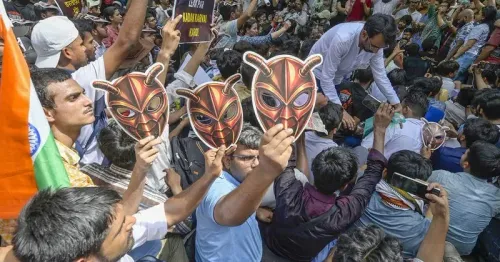
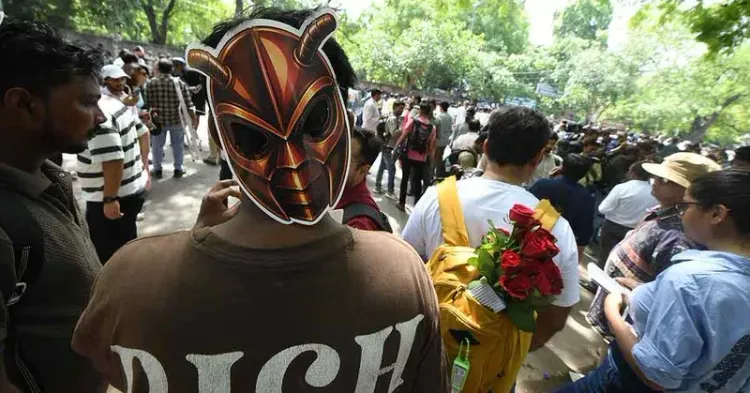
Writing in The Week, Tharoor invokes Kafka's 1915 novella The Metamorphosis, in which protagonist Gregor Samsa awakens transformed into a vermin — a symbol of alienation, invisibility, and society's instinct to exterminate what it does not understand. Tharoor transposes this image onto the political sphere, using the 'cockroach' as a metaphor for citizens — particularly the young — who are rendered invisible or dismissed by those in power.
In his post on X (formerly Twitter), Tharoor summarised his argument: 'We must drop the metaphorical bug spray and start listening to the genuine aspirations of a frustrated generation that is not going anywhere.' The column, titled 'From Kafka's Desk to India's Streets: The Rise of the Political Cockroach,' is part of his regular opinion series for the magazine.
Policy Backdrop
Tharoor's literary framing arrives against a backdrop of sustained public discourse around youth unemployment, political representation, and social mobility in India. Since the early 2010s, debates over job creation, reservation policies, and the marginalisation of first-generation urban migrants have periodically flared into street protests and electoral flashpoints.
Indian politicians and public intellectuals have a long tradition of invoking 20th-century European literature — from Kafka to Camus — to illuminate domestic contradictions. Tharoor, a former UN Under-Secretary-General and former Union Minister of State for External Affairs and Human Resource Development, has built a reputation for precisely this kind of cross-cultural commentary, blending canonical texts with sharp political observation across books, columns, and parliamentary addresses.
Stakeholders and Impact
The column speaks most directly to Indian youth, a demographic that constitutes a decisive share of the electorate and whose anxieties around employment and recognition have shaped electoral outcomes in multiple state and general elections. Political commentators and opposition voices have long argued that mainstream parties — across the spectrum — have been slow to translate youth concerns into concrete policy commitments.
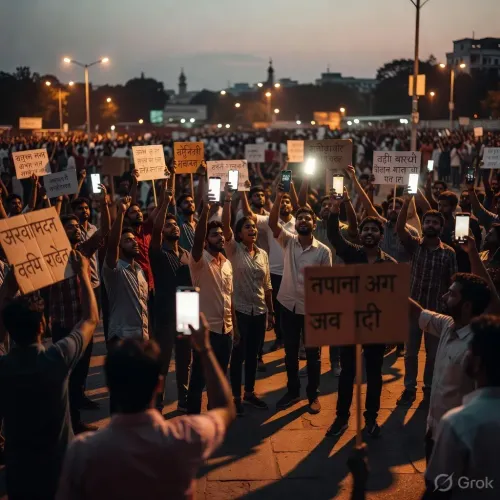
By framing generational discontent through Kafka's lens of the 'invisible man,' Tharoor also implicitly challenges the political class to move beyond optics. The 'bug spray' metaphor — representing dismissal, suppression, or tokenism — is a pointed critique of responses that silence rather than engage. The column is likely to resonate with readers in urban centres, college campuses, and among the growing class of educated but underemployed young Indians.
What's Next
Tharoor has consistently used his column space in The Week to set the terms of broader cultural and political debate, and this piece is likely to draw responses from writers, academics, and political figures in the days ahead. Whether the metaphor gains traction beyond the opinion pages — in parliamentary debate or party messaging — will depend on how the opposition chooses to frame youth-centric issues in the near term.
As India navigates questions of generational equity, the Kafka metaphor offers a durable frame: a society that treats its frustrated youth as pests to be managed, rather than voices to be heard, risks the deeper alienation that Kafka's fiction so presciently described.
Point of View
He elevates a familiar complaint — that Indian youth are ignored — into a structural critique of how power responds to inconvenient voices. The column arrives at a moment when youth-centric politics is increasingly contested electoral terrain, and Tharoor is positioning the Congress's intellectual wing as the party most willing to engage that frustration on its own terms. Whether literary metaphor can translate into policy credibility is the central question this column implicitly poses.
NationPress
22 Sept 2026
Frequently Asked Questions
What is Shashi Tharoor's new column about?
Tharoor's new column in The Week uses Franz Kafka's cockroach metaphor from The Metamorphosis to argue that India's political establishment must stop dismissing and start listening to the genuine aspirations of a frustrated younger generation.
What is the 'political cockroach' metaphor Tharoor uses?
The 'political cockroach' refers to citizens — particularly youth — who are rendered invisible or dismissed by those in power, much like Kafka's protagonist Gregor Samsa who is transformed into a vermin and subsequently ignored and exterminated by society.
Where was Tharoor's Kafka column published?
The column, titled 'From Kafka's Desk to India's Streets: The Rise of the Political Cockroach,' was published in The Week, an Indian English-language magazine where Tharoor writes a regular opinion series.
Why is Shashi Tharoor writing about youth frustration in India?
Tharoor's column connects to a long-running public debate in India about youth unemployment, political representation, and social mobility. He argues that political parties have been too quick to suppress or ignore these concerns rather than engage with them.
What did Shashi Tharoor say about India's youth on social media?
On June 24, 2026, Tharoor posted on X that 'we must drop the metaphorical bug spray and start listening to the genuine aspirations of a frustrated generation that is not going anywhere,' summarising the central argument of his new column.