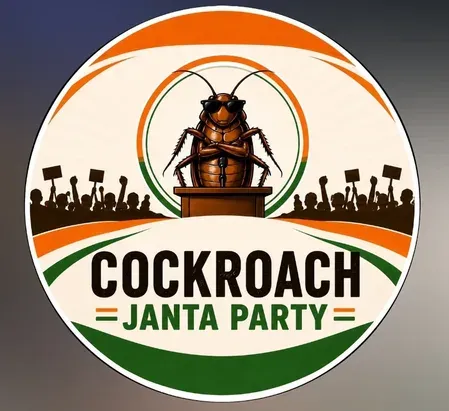
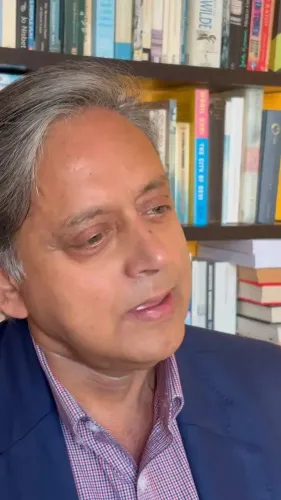
Tharoor defends CJP satire, warns suppressing youth dissent 'disastrous'
Synopsis
Shashi Tharoor’s defence of the Cockroach Janta Party is more than a free-speech argument — it is a signal that mainstream opposition politics sees real electoral energy in a satirical movement that crossed one crore Instagram followers in under a week before being withheld. The pressure-cooker metaphor cuts both ways: a warning to the government, and an implicit claim that the Congress understands where young India’s anger is pointed.
Key Takeaways
Shashi Tharoor defended the Cockroach Janta Party (CJP) on 22 May , calling Pakistani-conspiracy claims ‘too simplistic.’ Tharoor cited data suggesting 94 per cent of CJP’s followers were based in India .
The CJP was founded on 16 May by Abhijeet Dipke , a Boston University student and former AAP strategist from Maharashtra .
The movement reportedly crossed one crore Instagram followers within a week before its account was withheld on Thursday .
Tharoor warned that suppressing youth dissent would be ‘disastrous,’ urging both the government and opposition to address underlying discontent.
Chief Justice of India Surya Kant clarified his remarks — which sparked the movement — were directed only at those with ‘fake and bogus degrees.’
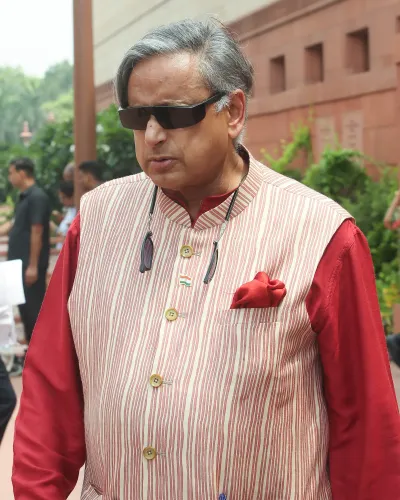
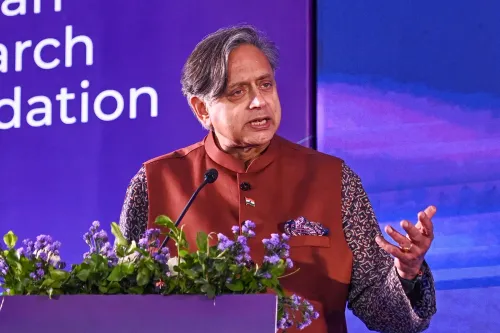
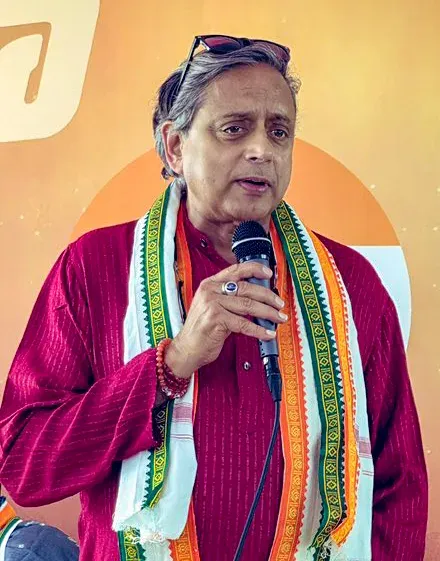
Senior Congress leader Shashi Tharoor on Friday, 22 May defended the satirical Cockroach Janta Party (CJP) movement, calling claims that it was a Pakistani-manufactured conspiracy “too simplistic” and arguing that 94 per cent of its followers were reportedly based in India. The Congress MP from Thiruvananthapuram made the remarks in a detailed post on X, framing the controversy as a test of democratic tolerance for dissent.
What Tharoor Said
Tharoor argued that suppressing satirical or dissenting voices — however provocative — was counterproductive in a functioning democracy. “Whatever be the truth (and perhaps Instagram should put the record straight), my point is that suppressing it is foolish in a democracy. Democracy’s great virtue is the outlets it provides for public sentiment, frustration and grievances. Letting these be aired on a satirical site IS in the national interest,” he wrote in his X post.
He compared such movements to “valves on a pressure-cooker” that allow frustration to dissipate safely. “Such movements serve like the valves on a pressure-cooker, letting off steam,” he said, warning that closing those valves risked a far more destabilising outcome. “I prefer satire to chaos, anarchy or revolution,” Tharoor added.
The CJP Movement and Its Origins
The CJP was founded on 16 May by Abhijeet Dipke, a political communications strategist and Boston University student who had previously worked with the Aam Aadmi Party (AAP). Dipke, who hails from Maharashtra, said the idea was inspired by reports claiming that Chief Justice of India Surya Kant had used the terms ‘parasites’ and ‘cockroaches’ during a hearing to criticise individuals entering the legal profession through fake degrees.
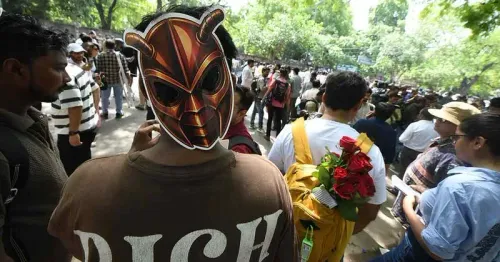
The remarks triggered sharp backlash online, particularly among young social media users. The CJI subsequently clarified that his words had been misrepresented and were directed solely at those acquiring “fake and bogus degrees.” Within a week of its launch, the CJP reportedly crossed one crore followers on Instagram before its account was withheld on Thursday amid the controversy.
Warning to Government and Opposition
Tharoor directed his warning equally at the ruling establishment and opposition parties, urging both to take the underlying youth discontent seriously rather than dismiss or suppress it. “As custodians of our democracy, both the government and the Opposition need to sit up, listen and tackle the underlying discontent. Ignoring it, denying it and worst of all, suppressing it would be disastrous,” he said.
He acknowledged that whatever the founders’ motivations, the movement had “tapped into an important strain of national sentiment among the youth.”
Context and Significance
The CJP controversy sits at the intersection of judicial criticism, youth frustration, and questions about the limits of political satire in India’s digital public sphere. Tharoor’s defence is notable given that the movement carries a name that parodies the ruling Bharatiya Janata Party (BJP), making his intervention politically charged. This comes amid a broader pattern of satirical social media movements gaining mass followings rapidly, only to face platform restrictions or government scrutiny.
With the Instagram account withheld and the debate now in mainstream political discourse, how the government and platforms respond to the CJP episode could set a precedent for how India handles digital dissent going forward.
Point of View
He positions the Congress as the party that listens to restless youth rather than polices them. But the argument has a tension at its core — the same Congress that champions the movement’s right to exist has not addressed why a satirical Instagram page, not a policy platform, became the loudest political voice for a generation. The rapid one-crore-follower surge is less a tribute to Dipke’s creativity and more an indictment of how little institutional politics has offered young Indians. Tharoor’s pressure-cooker metaphor is apt, but the harder question — what actual policy relief the Congress proposes for that pressure — remains conspicuously unanswered.
NationPress
7 Oct 2026
Frequently Asked Questions
What is the Cockroach Janta Party (CJP)?
The Cockroach Janta Party is a satirical political movement founded on 16 May by Abhijeet Dipke, a Boston University student and former AAP communications strategist from Maharashtra. It gained over one crore Instagram followers within a week before the account was withheld amid controversy.
Why did Shashi Tharoor defend the CJP?
Tharoor argued in an X post on 22 May that the CJP reflected genuine youth discontent and that suppressing satirical dissent in a democracy was ‘foolish.’ He also pushed back on claims that the movement was Pakistani-manufactured, citing data that 94 per cent of its followers were reportedly based in India.
What sparked the CJP controversy?
The movement was inspired by reports that Chief Justice of India Surya Kant used the words ‘parasites’ and ‘cockroaches’ during a hearing on fake law degrees. The CJI later clarified the remarks were misrepresented and targeted only those with fake and bogus degrees.
Why was the CJP Instagram account withheld?
The CJP’s Instagram account was withheld on Thursday following the controversy surrounding the movement’s name and its alleged links to foreign influence, though Tharoor and founder Dipke disputed the Pakistani-conspiracy narrative.
What did Tharoor warn the government and opposition about?
Tharoor warned that ignoring, denying, or suppressing the underlying anger among young Indians would be ‘disastrous.’ He called on both the government and the opposition to listen and deliver solutions to the problems of young India rather than shut down the outlets through which that frustration is expressed.