CM Rekha Gupta Shares PM Modi at IIT Kharagpur Platinum Jubilee
Synopsis
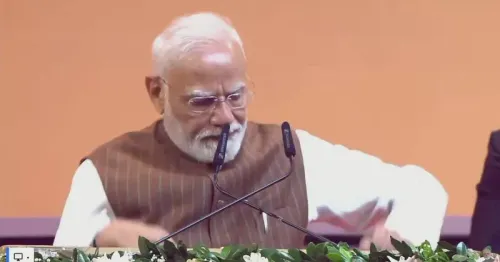
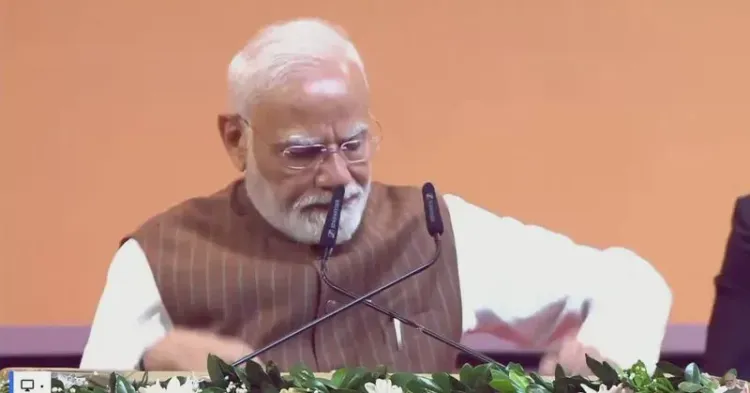
Prime Minister Narendra Modi attended the Platinum Jubilee Celebration of IIT Kharagpur on 21 November 2026, marking 75 years of India's first and flagship technical institution. Delhi CM Rekha Gupta shared the live event, drawing attention to a milestone in India's higher-education story.
Key Takeaways
IIT Kharagpur celebrated its Platinum Jubilee (75th anniversary) on 21 November 2026 .
Prime Minister Narendra Modi attended the event in person, continuing a pattern of central government engagement with premier technical institutions.
IIT Kharagpur was established in 1951 as India's first IIT under the post-independence push for indigenous engineering capacity.
Delhi Chief Minister Rekha Gupta shared a live broadcast of the event on X , amplifying the occasion to a wider audience.
Policy watchers are monitoring potential announcements on IIT funding, new research centres , or National Education Policy 2020 implementation in forthcoming parliamentary sessions.
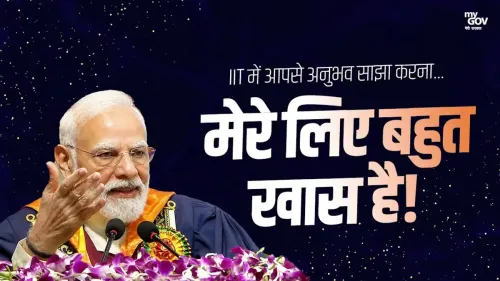
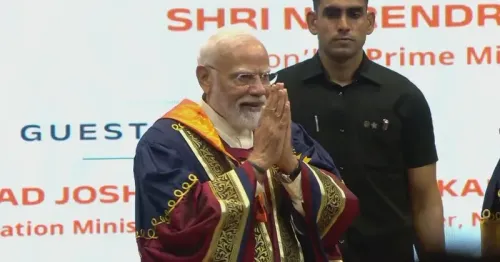
Seventy-five years after India's first IIT opened its gates in Kharagpur, Prime Minister Narendra Modi attended the institution's Platinum Jubilee Celebration on Saturday, 21 November 2026 — and Delhi Chief Minister Rekha Gupta made sure the moment reached her followers live.
India's oldest IIT turns 75
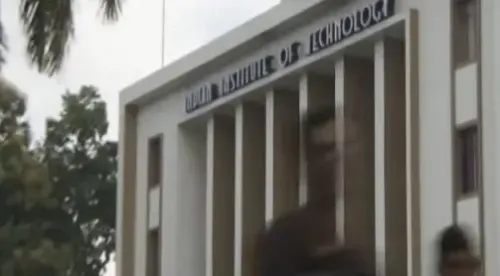
IIT Kharagpur, established in 1951 as the very first institution under India's post-independence push to build indigenous engineering capacity, marks a rare milestone this year. The Platinum Jubilee is not just a birthday — it is a stocktaking of seven decades of science, engineering, and innovation that the institution has poured into the national bloodstream. From its founding under the Indian Institutes of Technology Act framework, the campus in West Bengal became the template for every IIT that followed.
Modi's pattern of showing up at elite campuses
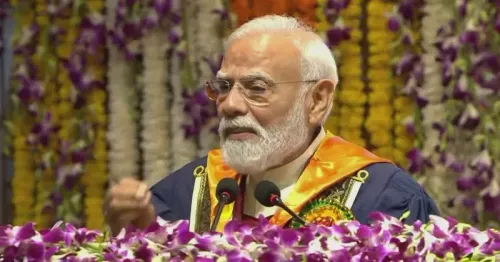
Prime Minister Modi's presence at milestone events across India's premier technical institutions has become a deliberate signal — that the central government views higher education not as a budgetary line item but as a strategic asset. His attendance at IIT Kharagpur's 75th anniversary continues that pattern, placing the government's stamp on a moment the institution's students, faculty, and alumni will mark for years. The audience inside the auditorium on 21 November 2026 included researchers and engineers whose careers trace directly back to the doors this campus first opened in 1951.
What follows the celebrations
High-profile anniversaries at institutions of this stature rarely end with cake. Watchers of education policy will now track whether the event produces follow-up announcements — fresh funding, new research centres, or tighter linkages with the National Education Policy 2020 rollout — in the next parliamentary session or the upcoming budget cycle. The NEP 2020 framework has already reshaped curriculum and autonomy structures across central universities; a Platinum Jubilee address from the Prime Minister is precisely the kind of moment that tends to accelerate implementation timelines.
Seventy-five years on, the institution that proved India could build its own engineers is once again at centre stage. The question now is what the next chapter looks like — and who gets to write it.
Point of View
Amplifying the event signals alignment with the central leadership's education agenda at a time when NEP 2020 implementation remains a live political and administrative issue. The Platinum Jubilee gives the government a symbolic platform to frame seven decades of IIT output as dividends of post-independence nation-building — a framing that serves both historical pride and present-day policy momentum. Any concrete announcements that follow will be watched as a measure of whether the symbolism converts into institutional investment.
NationPress
21 Nov 2026
Frequently Asked Questions
When was IIT Kharagpur founded?
IIT Kharagpur was founded in 1951 , making it India's first Indian Institute of Technology and the flagship of the country's post-independence technical education system.
What is the Platinum Jubilee of IIT Kharagpur?
The Platinum Jubilee marks 75 years since IIT Kharagpur was established in 1951 . The celebration was held on 21 November 2026 and was attended by Prime Minister Narendra Modi .
Why did PM Modi attend the IIT Kharagpur Platinum Jubilee?
PM Modi has regularly attended milestone events at India's premier technical institutions as part of a broader pattern of central government engagement with higher education. His presence at the 75th anniversary underscores the government's focus on science, technology, and innovation.
What did Delhi CM Rekha Gupta post about IIT Kharagpur?
Delhi Chief Minister Rekha Gupta shared a live broadcast link on X on 21 November 2026 , directing followers to watch PM Modi's attendance at the Platinum Jubilee Celebration of IIT Kharagpur .
Will there be new announcements for IITs after the Platinum Jubilee event?
Policy observers are watching for potential follow-up announcements on IIT funding, new research centres , or accelerated National Education Policy 2020 implementation in the next parliamentary session or budget cycle, though no specific announcements have been confirmed.