CM Rekha Gupta Tunes In as PM Modi Launches 1st SCO Civilisational Dialogue
Synopsis
Prime Minister Narendra Modi inaugurated the first SCO Civilisational Dialogue on 20 November 2026, shifting the Eurasian bloc's agenda toward cultural heritage. Delhi CM Rekha Gupta shared the live stream, spotlighting India's soft-power strategy within the Shanghai Cooperation Organisation.
Key Takeaways
PM Narendra Modi inaugurated the first SCO Civilisational Dialogue on 20 November 2026 .
Delhi CM Rekha Gupta amplified the live stream of the inauguration on social media.
The Shanghai Cooperation Organisation , founded in 2001 , traditionally focuses on counter-terrorism and trade; the new dialogue adds a formal cultural track.
India has used SCO platforms for soft-power projection since at least the 2023 New Delhi SCO Summit .
The dialogue is designed to build people-to-people ties among member states including China, Russia , and the Central Asian republics .
Future SCO summits will determine whether the forum produces concrete cultural deliverables or remains largely ceremonial.
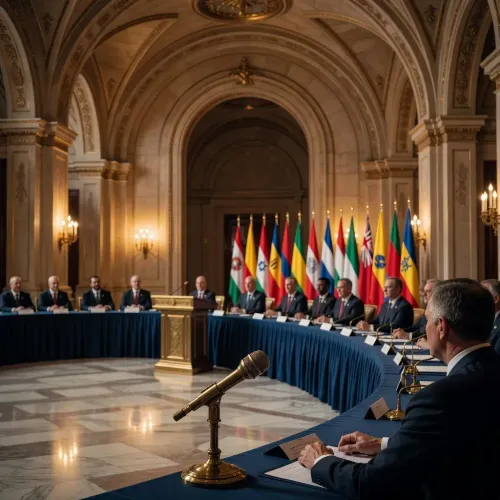
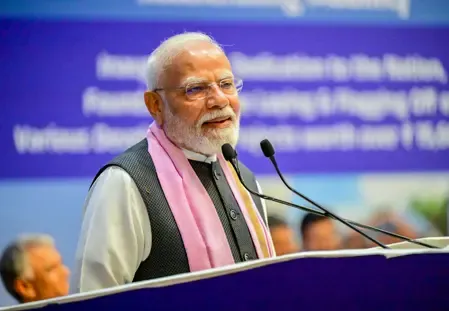
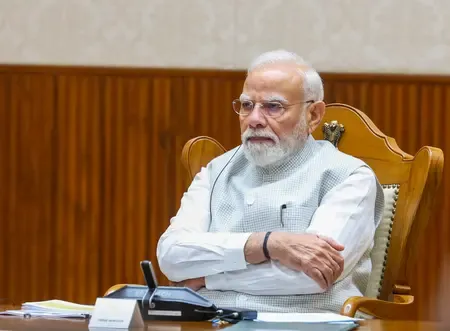
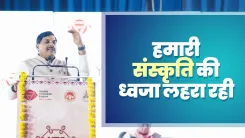
Delhi Chief Minister Rekha Gupta joined a live stream on Friday, 20 November 2026 as Prime Minister Narendra Modi inaugurated the inaugural SCO Civilisational Dialogue — a landmark forum designed to shift the Shanghai Cooperation Organisation's conversation from security corridors to shared cultural heritage.
What the SCO Civilisational Dialogue signals
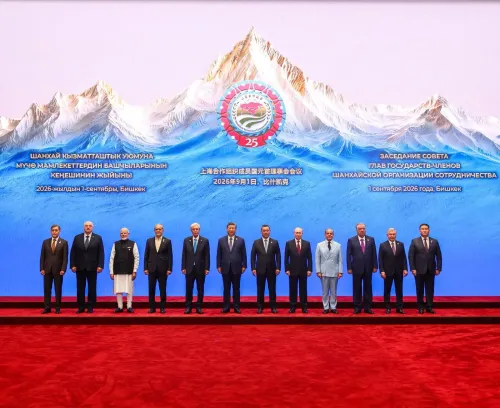
The Shanghai Cooperation Organisation, founded in 2001, has long been the Eurasian bloc's go-to arena for counter-terrorism coordination and trade talk. The launch of a dedicated 'Civilisational Dialogue' marks a deliberate pivot — placing culture, heritage, and people-to-people contact at the same table as security and commerce. For India, whose civilisational narrative stretches back millennia, that pivot is anything but incidental.
India has consistently used SCO platforms to carve soft-power space alongside its more powerful neighbours. At the SCO Summit in New Delhi in 2023, cultural exchanges and connectivity dominated the margins even as the formal agenda focused on regional security. The new Civilisational Dialogue formalises that instinct into an institutional channel.
India's soft-power play inside a hard-power bloc
Prime Minister Modi has made cultural diplomacy a signature instrument since 2014 — from Yoga Day at the United Nations to the promotion of shared Buddhist heritage across Asia. Embedding that approach inside the SCO, which counts China, Russia, and the Central Asian states as members, is a calculated move. It lets India shape a multilateral narrative around shared Eurasian civilisational roots rather than cede the floor entirely to security-first agendas.
Civilisational dialogues also carry an implicit diplomatic utility: they create goodwill tracks that can run quietly even when harder bilateral issues stall. With India-China ties navigating post-Galwan sensitivities and India-Russia relations under Western scrutiny, a cultural forum offers a neutral, face-saving space for engagement.
What to watch from here
The inaugural edition sets the template. Observers will track whether the dialogue produces concrete cultural deliverables — joint heritage projects, scholar exchanges, or coordinated positions at UNESCO — or remains a ceremonial gesture. Subsequent SCO summits will reveal whether member states invest political capital in the format or treat it as window dressing. India's interest in sustaining the forum is clear; the question is whether the bloc's other heavyweights see it the same way.
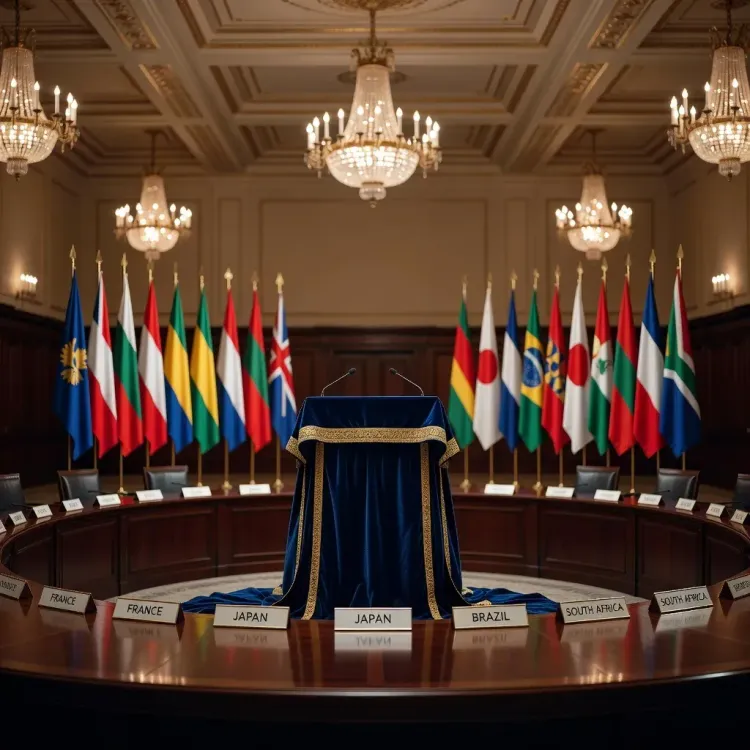
A new civilisational table has been set inside one of Asia's most consequential multilateral rooms. Who shows up — and what they bring — will define its legacy.
Point of View
Where cultural connectivity was front-loaded onto a security-dominated agenda. If institutionalised, the dialogue could give India a normative leadership role in the bloc disproportionate to its economic weight relative to China. The real test will be whether future editions generate binding cultural agreements, or quietly fade into the SCO's growing list of declaratory forums.
NationPress
20 Nov 2026
Frequently Asked Questions
What is the SCO Civilisational Dialogue?
The SCO Civilisational Dialogue is a new forum within the Shanghai Cooperation Organisation focused on cultural heritage, people-to-people contact, and shared civilisational ties among member states. Its first edition was inaugurated by Prime Minister Narendra Modi on 20 November 2026.
What is the Shanghai Cooperation Organisation (SCO)?
The SCO is a Eurasian intergovernmental organisation founded in 2001. Its members include India, China, Russia, Pakistan, and several Central Asian states. It was originally focused on security and counter-terrorism but has expanded to cover trade and cultural cooperation.
Why did PM Modi inaugurate the SCO Civilisational Dialogue?
India holds a rotating role within SCO proceedings and has consistently championed cultural diplomacy in multilateral forums. The launch aligns with PM Modi's broader strategy of projecting India's civilisational heritage as a soft-power instrument in regional groupings.
What was Delhi CM Rekha Gupta's role in the SCO event?
Delhi Chief Minister Rekha Gupta shared the live broadcast of PM Modi's inauguration of the first SCO Civilisational Dialogue on her official X account on 20 November 2026, amplifying the event to her followers.
How has India used the SCO for cultural diplomacy before?
At the SCO Summit hosted by India in New Delhi in 2023, cultural exchanges and people-to-people contacts were prominently highlighted alongside security and connectivity issues, foreshadowing the creation of a dedicated Civilisational Dialogue.