CM Rekha Gupta Visits Asola-Bhatti Sanctuary, Flags Green Delhi Push
Synopsis
Delhi Chief Minister Rekha Gupta visited Asola-Bhatti Wildlife Sanctuary on June 21, 2026, posting images from the protected Aravalli green zone and calling nature conservation, biodiversity promotion, and expanded green cover essential pillars of a developed and healthy Delhi under the #ViksitDelhi vision.
Key Takeaways
Delhi CM Rekha Gupta visited Asola-Bhatti Wildlife Sanctuary on June 21, 2026 and shared four images from the protected site.
She described nature conservation and biodiversity promotion as 'important cornerstones for building a developed and healthy Delhi.' Asola-Bhatti Wildlife Sanctuary was notified in 1991 to protect Aravalli biodiversity and serve as Delhi's ecological buffer.
The visit was hashtagged #ViksitDelhi , linking local conservation to the BJP's Viksit Bharat 2047 national development framework.
The Master Plan of Delhi 2041 sets targets for expanded green cover and biodiversity corridors across the capital.
Upcoming Delhi Forest and Biodiversity Survey reports will be a key test of whether the political commitment yields measurable results.
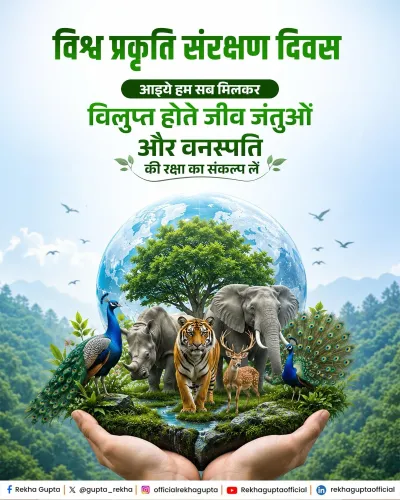
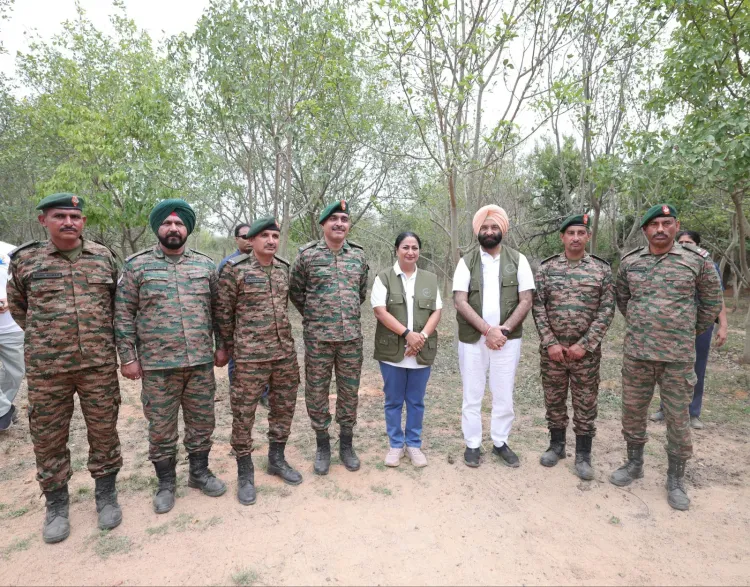
Delhi Chief Minister Rekha Gupta visited the Asola-Bhatti Wildlife Sanctuary in southern Delhi on Sunday, June 21, 2026, sharing moments from the protected green zone and reaffirming her government's commitment to nature conservation, biodiversity, and expanding the capital's green cover under the #ViksitDelhi banner.
Context
Posting four images from the sanctuary, Chief Minister Gupta wrote in Hindi: 'Asola-Bhatti vanya jeev abhyaranya ki shaant hariyali ke beech bitaye kuch pal' — 'A few moments spent amid the serene greenery of the Asola-Bhatti Wildlife Sanctuary remind us of our intimate bond with nature.' She described nature conservation, promotion of biodiversity, and expansion of a green environment as 'important cornerstones for building a developed and healthy Delhi.'
The visit and post come on the occasion of the summer solstice, the longest day of the year, lending symbolic weight to the conservation message. The hashtag #ViksitDelhi — 'Developed Delhi' — links the outing explicitly to the BJP's broader governance framework.
Policy Backdrop
The Asola-Bhatti Wildlife Sanctuary was notified in 1991 to protect the biodiversity of the Aravalli hills in southern Delhi and to serve as an ecological buffer for the rapidly urbanising capital. Spanning the ridge terrain on Delhi's southern edge, it remains one of the city's most significant natural green lungs.
The Master Plan of Delhi 2041 sets explicit targets for increasing the city's green cover and establishing biodiversity corridors to counter the urban heat-island effect and persistent air-quality challenges. Successive administrations have backed afforestation drives, though the pace and scale have varied. Chief Minister Gupta's framing ties local conservation directly to the national Viksit Bharat 2047 vision, which integrates ecological sustainability with infrastructure and development goals.
Stakeholders and Impact
Delhi's roughly 3.3 crore residents stand as the primary beneficiaries of a healthier urban forest ecosystem — one that moderates temperatures, filters particulate pollution, and supports groundwater recharge. Environmental groups and wildlife advocates who have long campaigned for stronger protection of the Aravalli corridor will likely welcome the Chief Minister's visible engagement with the sanctuary.
The post also signals to civic planners and urban-development agencies that green-cover expansion is a political priority for the current administration, potentially influencing budget allocations and land-use decisions in the city's southern zones. Community groups around the sanctuary, including those involved in eco-tourism and local livelihoods, could see increased institutional attention as a result.
What's Next
Observers will watch for concrete follow-through: new afforestation targets, updated biodiversity surveys, or dedicated budget lines for sanctuary maintenance in the next Delhi government cycle. The release of the next Delhi Forest and Biodiversity Survey report will be a key benchmark for measuring whether the political messaging translates into measurable gains in green cover and species protection.
With Viksit Delhi framed as a pillar of the administration's identity, the Chief Minister's conservation stance is likely to shape upcoming policy announcements on urban greening, pollution control, and climate resilience in the capital.
Point of View
Visually anchoring the BJP's Viksit Delhi narrative to an environmental ethic at a time when Delhi's air and heat crises remain electorally salient. By invoking Asola-Bhatti — a site with a three-decade conservation history — she positions her administration as a steward of an existing ecological legacy rather than starting from scratch. The #ViksitDelhi hashtag does the connective tissue work, threading a local green outing into the larger Viksit Bharat 2047 framework and lending it national ideological coherence. The real test will come when budget allocations and land-use decisions reveal whether conservation rhetoric is backed by institutional commitment.
NationPress
19 Sept 2026
Frequently Asked Questions
Where is Asola-Bhatti Wildlife Sanctuary located?
Asola-Bhatti Wildlife Sanctuary is located in southern Delhi along the Aravalli hills, notified in 1991 as an ecological buffer and biodiversity conservation zone for India's capital.
What is Viksit Delhi?
Viksit Delhi is a campaign and governance slogan used by the Delhi BJP government to link local development and sustainability goals to the national Viksit Bharat 2047 vision for a developed India.
Why did Delhi CM Rekha Gupta visit Asola-Bhatti Sanctuary?
Chief Minister Rekha Gupta visited Asola-Bhatti Wildlife Sanctuary on June 21, 2026, sharing images and highlighting nature conservation and biodiversity as cornerstones of building a developed and healthy Delhi.
What is the Master Plan of Delhi 2041?
The Master Plan of Delhi 2041 is the city's long-term urban planning document that sets targets for increasing green cover, establishing biodiversity corridors, and balancing ecological sustainability with infrastructure growth.
How does Asola-Bhatti Sanctuary help Delhi's environment?
The sanctuary acts as a green lung for Delhi, moderating urban heat, supporting groundwater recharge, filtering air pollution, and protecting Aravalli biodiversity within one of the world's most densely populated cities.