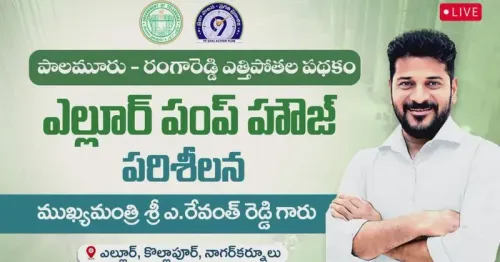
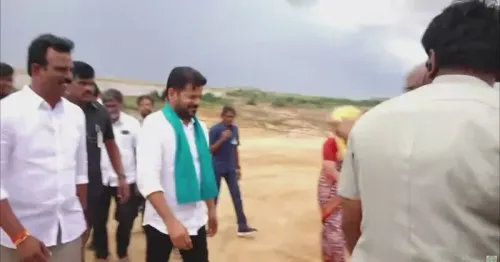
CM Revanth Reddy inspects PRLIS Package-III head regulator at Yellur
Synopsis
Telangana Chief Minister A. Revanth Reddy conducted a live-broadcast on-site inspection of the PRLIS Package-III head regulator at Yellur, Kollapur on 5 June 2026, underscoring the Congress government's focus on completing Krishna river lift irrigation infrastructure for drought-prone Nagarkurnool farmers ahead of kharif season.
Key Takeaways
Revanth Reddy personally inspected the PRLIS Package-III Head Regulator at Yellur, Kollapur on 5 June 2026 .
The inspection was broadcast live, reflecting the government's transparency drive on infrastructure delivery.
PRLIS was sanctioned in 2015-16 to bring Krishna river water to upland drought-prone areas of former Mahabubnagar district .
The scheme's command area covers villages in Nagarkurnool district , benefiting farmers historically reliant on rain-fed agriculture.
Progress on the head regulator is critical ahead of the kharif 2026 agricultural season.
Cost revisions and completion timelines for remaining PRLIS packages remain a key watch point.
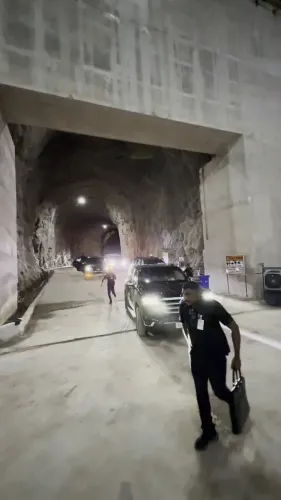
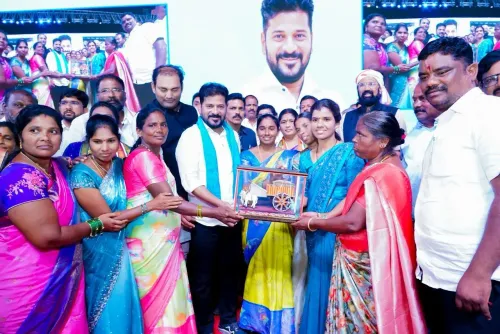
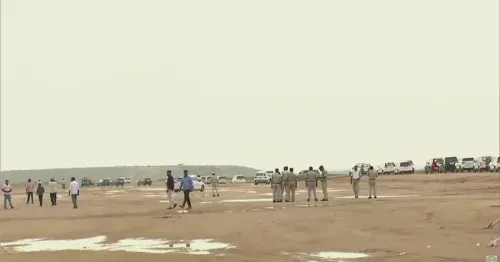
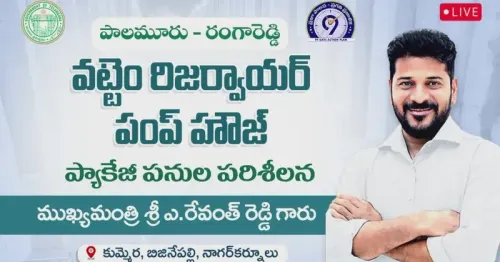
Telangana Chief Minister A. Revanth Reddy participated in an on-site inspection of the Palamuru-Ranga Reddy Lift Irrigation Scheme (PRLIS) Package-III Head Regulator at Yellur, Kollapur, on Friday, 5 June 2026, with the visit broadcast live on the Chief Minister's official channel.
Context
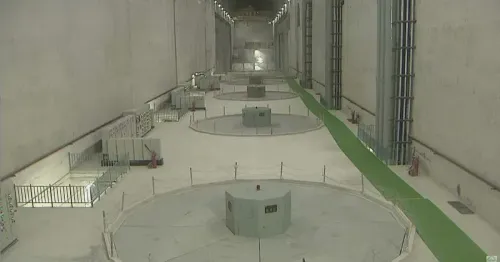
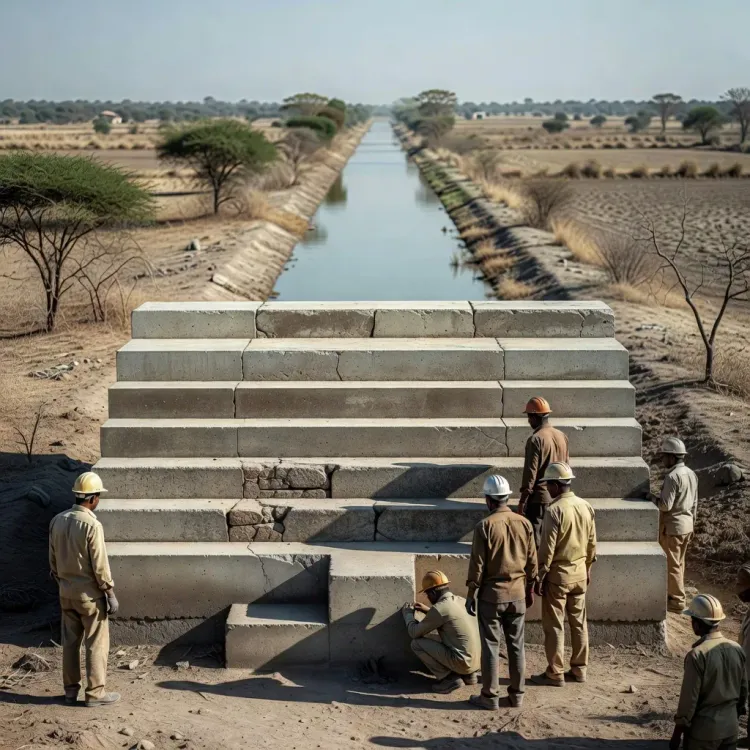
The inspection focused on the Package-III head regulator structure located in Yellur village, Kollapur mandal, Nagarkurnool district. Head regulators are critical control points that govern the diversion and flow of water into a lift irrigation system's distribution network. A field visit by the Chief Minister signals direct executive attention to the pace and quality of construction on one of Telangana's most ambitious irrigation projects.
The live broadcast format indicates the government's intent to project transparency around infrastructure delivery to the public and farming communities in the region.
Policy Backdrop
The Palamuru-Ranga Reddy Lift Irrigation Scheme was sanctioned and its initial packages awarded in 2015-16 under the then TRS-led Telangana government as part of a post-bifurcation push to harness Krishna river waters for upland areas. The scheme is designed to irrigate drought-prone plateaus in the former Mahabubnagar district — a region historically dependent on rain-fed agriculture and older tank systems.
Telangana governments since 2014 have consistently prioritised lift irrigation to bring both Krishna and Godavari waters to elevated tracts that gravity-fed canals cannot reach. The current Congress administration under Chief Minister Revanth Reddy, in office since December 2023, has inherited and continued work on PRLIS packages across multiple mandals in Nagarkurnool district.
Stakeholders and Impact
The primary beneficiaries of PRLIS Package-III are upland farmers and villages across Kollapur mandal and adjoining areas of Nagarkurnool district. Completion of the head regulator and associated infrastructure would allow regulated water supply into the command area, potentially transforming agricultural productivity in a region that has long faced water stress.
For the broader farming community, the timing of such inspections ahead of the 2026 kharif season is significant, as timely water availability can determine cropping decisions and yield outcomes for thousands of smallholder families dependent on irrigated agriculture.
What's Next
Observers will watch for announcements on the physical progress and any cost revisions to the remaining PRLIS packages following the Chief Minister's inspection. Water release trials ahead of the kharif 2026 season remain a key benchmark for assessing whether the scheme can deliver on its original irrigation targets. The inspection may also set the stage for further administrative reviews of stalled or delayed components across other PRLIS packages.
Point of View
Rather than letting them drift. Lift irrigation schemes like PRLIS carry enormous political weight in Nagarkurnool, a district where agrarian distress and water scarcity have historically shaped electoral outcomes. By broadcasting the inspection live, the administration is also attempting to build a public accountability narrative around infrastructure timelines. Whether the visit translates into accelerated completion and actual water delivery to farmers will be the true test of this political commitment.
NationPress
20 Oct 2026
Frequently Asked Questions
What is the PRLIS Package-III head regulator at Yellur?
The PRLIS Package-III head regulator at Yellur is a key water-control structure in the Palamuru-Ranga Reddy Lift Irrigation Scheme, located in Kollapur mandal, Nagarkurnool district, designed to regulate Krishna river water flow into the scheme's distribution network.
Why did CM Revanth Reddy visit Yellur in Kollapur?
CM Revanth Reddy visited Yellur on 5 June 2026 to inspect the progress of the PRLIS Package-III head regulator, a critical irrigation infrastructure component serving upland farming communities in Nagarkurnool district.
What is the Palamuru-Ranga Reddy Lift Irrigation Scheme?
The Palamuru-Ranga Reddy Lift Irrigation Scheme (PRLIS) is a multi-package Krishna river lift project sanctioned in 2015-16 to irrigate drought-prone upland areas of the former Mahabubnagar district in Telangana.
Which farmers benefit from PRLIS in Nagarkurnool?
Upland farmers and villages across Kollapur mandal and adjoining areas of Nagarkurnool district are the primary beneficiaries, as the scheme aims to provide reliable irrigation to areas previously dependent on rain-fed agriculture.
What is the significance of the inspection before kharif 2026?
An inspection ahead of the kharif 2026 season is significant because timely completion and water release trials can directly influence cropping decisions and yields for thousands of smallholder farmers in the PRLIS command area.