CM Rio Backs Nagaland Youth Skills Push on World Skills Day
Synopsis
On World Youth Skills Day, 15 July 2026, Nagaland Chief Minister Neiphiu Rio reaffirmed his government's focus on youth skilling and entrepreneurship through the Nagaland Skill, Entrepreneurship and Development Mission, linking state efforts to India's broader demographic dividend agenda.
Key Takeaways
CM Neiphiu Rio marked World Youth Skills Day (15 July 2026) with a public commitment to expanding Nagaland's skills ecosystem.
The Nagaland Skill, Entrepreneurship and Development Mission (NSEDM) is the state's primary body for youth skilling and livelihood creation.
Nagaland's efforts align with India's Skill India Mission , launched in 2015 with a target of training 400 million people .
Out-migration of working-age youth is a key structural challenge the skilling push aims to address in Nagaland .
Future indicators include NSEDM budget allocations, enrolment data, and any new MoUs with national skilling bodies such as NSDC .
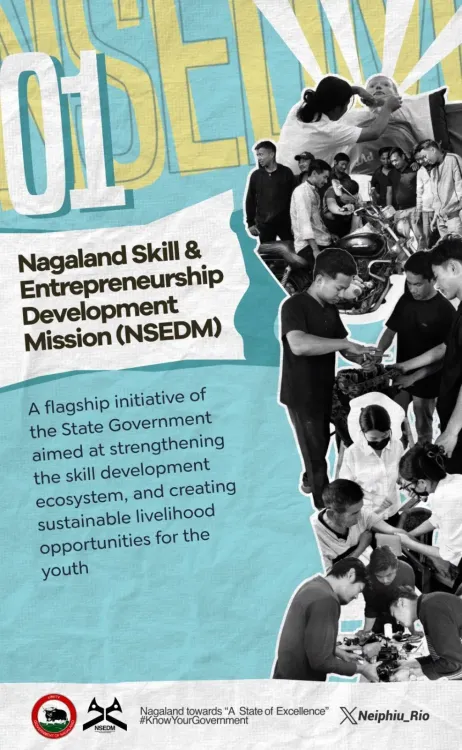
Nagaland Chief Minister Neiphiu Rio on Wednesday, 15 July 2026, marked World Youth Skills Day by reaffirming his government's commitment to building a robust skills and entrepreneurship ecosystem in the state, citing the Nagaland Skill, Entrepreneurship and Development Mission (NSEDM) as the central vehicle for creating sustainable livelihoods for local youth.
Context
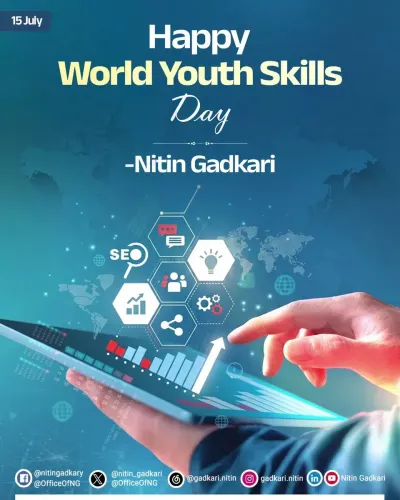
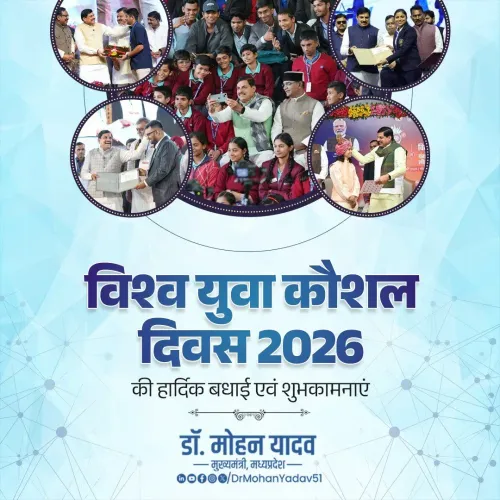
World Youth Skills Day is observed every year on 15 July as a United Nations initiative to highlight the critical importance of equipping young people with technical, vocational, and entrepreneurial skills. The day draws renewed attention from governments across the world to youth unemployment and the need for structured training pathways. CM Rio used the occasion to position Nagaland as an active participant in this global conversation, stating that the state is 'strengthening the skills ecosystem, promoting entrepreneurship, and creating sustainable livelihood opportunities.'
The post, shared on his official X account, carried the hashtag #KnowYourGovernment — a recurring tag used by the Nationalist Democratic Progressive Party (NDPP)-led state administration to communicate governance updates directly to citizens.
Policy Backdrop
Nagaland's skill development push sits within the broader architecture of India's Skill India Mission, launched in 2015 under the Ministry of Skill Development and Entrepreneurship, which set an ambitious target of providing vocational training to 400 million people. The mission has since been extended and refined, with northeastern states receiving particular attention given their distinct socio-economic challenges. NSEDM — the state body tagged by CM Rio — serves as Nagaland's primary institutional mechanism for channelling both central and state resources into youth skilling and enterprise promotion.
Nagaland faces a structural challenge common to many northeastern states: a limited industrial base, thin private-sector presence, and persistent out-migration of working-age youth seeking employment in larger cities. State-led skilling and entrepreneurship programmes are designed to address this by building local capacity and reducing dependence on government jobs, which have historically been the dominant aspiration among educated youth in the region.
Stakeholders and Impact
The primary beneficiaries of NSEDM's programmes are young people across Nagaland's districts, particularly those in rural and semi-urban areas with limited access to formal employment. Aspiring entrepreneurs stand to gain from structured support covering skilling, mentorship, and linkages to markets and finance. The broader economy of the state benefits when trained youth create local enterprises rather than migrate, helping retain human capital within the region.
At the national level, Nagaland's approach reflects a pattern visible across northeastern states: aligning with central frameworks such as the National Skill Development Corporation (NSDC) and sector skill councils while tailoring delivery to local realities. Successful outcomes in such states are increasingly seen as benchmarks for inclusive skilling under India's demographic dividend agenda.
What's Next
Observers will watch whether World Youth Skills Day messaging translates into concrete announcements — such as new NSEDM programme targets, budget allocations, or memoranda of understanding with national skilling bodies. The state government's annual progress reports on skill training enrolments and entrepreneurship outcomes will be key indicators of whether the ecosystem CM Rio describes is expanding in reach and impact. Any new partnerships between NSEDM and sector skill councils or industry bodies would signal a deepening of the state's commitment beyond ceremonial observances.
Point of View
Skilling rhetoric must eventually be matched by verifiable outcomes — enrolment numbers, placement rates, and enterprise survival data — if it is to distinguish itself from routine ceremonial messaging. The post's reference to 'sustainable livelihood opportunities' is pointed: it implicitly acknowledges that government employment alone cannot absorb Nagaland's youth, a candid framing that sets the stakes for NSEDM's performance.
NationPress
13 Oct 2026
Frequently Asked Questions
What is World Youth Skills Day and why does it matter for India?
World Youth Skills Day is a UN observance held every year on 15 July to promote youth skilling and employability. For India, it is significant because the country has one of the world's largest youth populations and has built national programmes like the Skill India Mission around this demographic opportunity.
What is NSEDM and what does it do in Nagaland?
NSEDM — the Nagaland Skill, Entrepreneurship and Development Mission — is the state government body responsible for implementing skill training, entrepreneurship promotion, and livelihood schemes targeting young people in Nagaland.
What did Nagaland CM Neiphiu Rio say on World Youth Skills Day 2026?
CM Neiphiu Rio said that Nagaland is strengthening its skills ecosystem, promoting entrepreneurship, and creating sustainable livelihood opportunities through NSEDM, marking the occasion on 15 July 2026.
How does Nagaland's skill development connect to India's Skill India Mission?
Nagaland's state-level efforts through NSEDM align with the national Skill India Mission launched in 2015, which aimed to train 400 million people vocationally. The state channels both central and state resources through NSEDM to address region-specific challenges like limited industry and high youth out-migration.
Why is youth out-migration a problem in Nagaland?
Nagaland has a limited industrial base and few private-sector jobs, pushing working-age youth to migrate to larger cities for employment. Skill and entrepreneurship programmes aim to build local capacity so youth can find or create livelihoods within the state.