CM Rio: France-Nagaland tie at Hornbill 2025 shows cultural diplomacy works
Synopsis
Nagaland Chief Minister Neiphiu Rio has praised France's role as Partner Country at Hornbill Festival 2025, saying the engagement created genuine friendships and opened new avenues for collaboration — a sign that cultural diplomacy can evolve into lasting economic ties.
Key Takeaways
CM Neiphiu Rio publicly credited France 's participation as Partner Country at Hornbill Festival 2025 with creating genuine friendships and new avenues for collaboration.
The Hornbill Festival has been held annually since 2000 and showcases all 16 major Naga tribes , making it Nagaland 's most prominent cultural platform.
The India-France strategic partnership , established in 1998 , now extends to sub-national cultural and economic cooperation.
The engagement aligns with India 's Act East Policy , which encourages northeastern states to build international trade and people-to-people linkages.
Key beneficiaries include Naga artisans , the Nagaland tourism sector , and French cultural organisations seeking a foothold in the region.
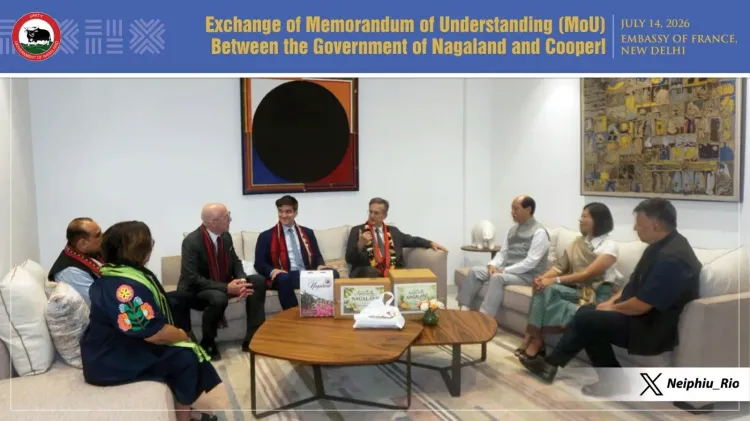
Formal outcomes such as MoUs or trade missions from the 2025 partnership are yet to be confirmed publicly.
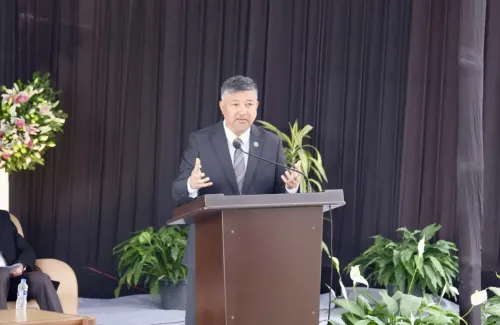
Nagaland Chief Minister Neiphiu Rio on Tuesday, 14 July 2026 hailed France's role as a Partner Country at the Hornbill Festival 2025, calling the engagement a model of how cultural diplomacy can mature into meaningful economic cooperation between the two sides.
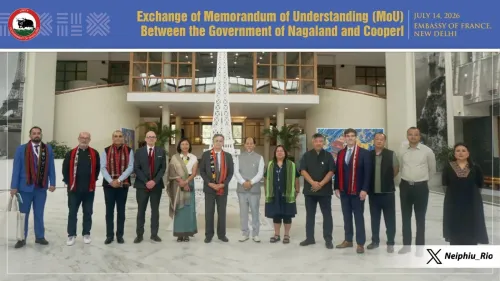
Responding to a post on X, CM Rio said the partnership 'has created genuine friendships, built confidence and opened new avenues for collaboration,' framing France's participation not as a ceremonial gesture but as a foundation for sustained bilateral engagement at the sub-national level.
Context
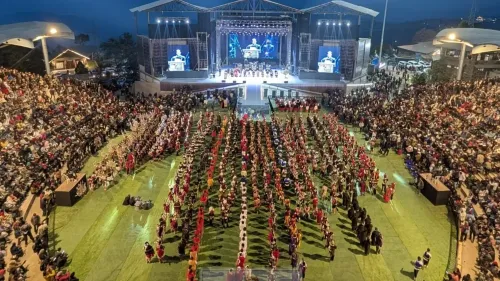
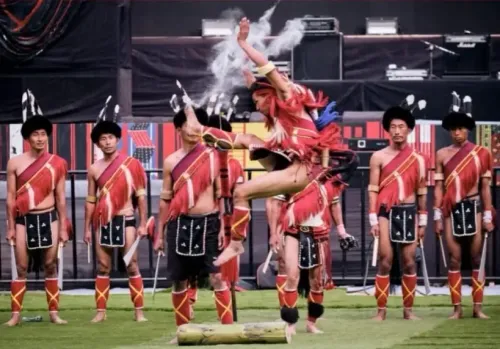
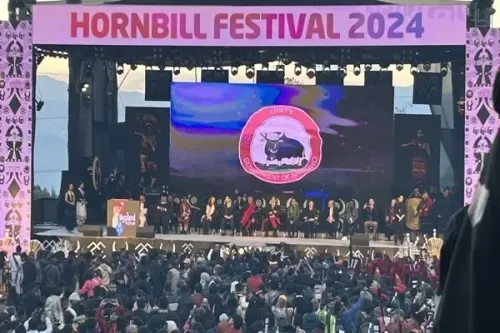
The Hornbill Festival, held every year in the first week of December at Kisama Heritage Village near Kohima, has been Nagaland's flagship cultural showcase since its launch in 2000. Dubbed the 'Festival of Festivals,' it brings together all 16 major Naga tribes under one roof, presenting their music, crafts, cuisine, and traditions to a global audience. Over two-and-a-half decades, the event has grown from a domestic tourism initiative into an internationally recognised platform that draws diplomatic missions, cultural organisations, and investors.
France and India formalised their strategic partnership in 1998, and the relationship has since expanded well beyond defence to encompass cultural exchanges, heritage cooperation, tourism, and education. France's selection as Partner Country for the 2025 edition of the Hornbill Festival marked a notable deepening of that relationship at the state level, bringing French cultural organisations and institutions into direct contact with Naga artisans, performers, and officials.
Policy Backdrop
Nagaland's use of the Hornbill Festival as a soft-power and economic-outreach instrument fits squarely within India's broader Act East Policy, which encourages northeastern states to build people-to-people and trade linkages with foreign partners. Several northeastern states have adopted similar strategies, converting flagship cultural events into channels for attracting investment, tourism revenue, and bilateral cooperation agreements.
France has pursued comparable cultural-diplomacy routes with multiple Indian states, seeking to diversify its engagement beyond national-level interactions into sub-national economic partnerships. The Hornbill partnership illustrates how this mutual interest can produce tangible confidence-building outcomes that outlast the festival itself, even when formal agreements are still taking shape.
Stakeholders and Impact
The most direct beneficiaries of an enduring France-Nagaland cultural partnership are Naga artisans, weavers, and performers, whose crafts and traditions gain international visibility and potential export markets. The Nagaland tourism sector stands to benefit from heightened French interest in the region, which could translate into increased footfall and hospitality investment. French cultural organisations involved in the 2025 festival, meanwhile, gain a foothold in one of India's most distinctive cultural corridors.
At a diplomatic level, the partnership signals that sub-national actors — state governments and cultural bodies — can serve as effective bridges between countries, supplementing formal bilateral channels and creating durable people-to-people ties that are resilient to shifts in national-level politics.
What's Next
Attention will now turn to whether the goodwill generated at Hornbill Festival 2025 translates into formal instruments — memoranda of understanding, trade missions, or joint cultural programmes — between Nagaland and French counterparts. The Hornbill Festival 2026, expected in December 2026, will be an early indicator of whether France deepens its participation or whether other countries step into a similar Partner Country role. CM Rio's public endorsement of the model suggests the state government intends to replicate and expand this format, potentially positioning Nagaland as a template for culturally-led economic diplomacy across the Northeast.
Point of View
' Rio is making a political case for the Act East Policy at the grassroots level, showing New Delhi and potential future partners that the model works. The move also reflects a wider pattern among northeastern chief ministers who are increasingly acting as quasi-diplomatic actors, building bilateral relationships that bypass the traditional Centre-to-Centre route. Whether this goodwill converts into measurable economic outcomes will determine whether the Hornbill model is replicated by other states or remains a Nagaland-specific experiment.
NationPress
14 Jul 2026
Frequently Asked Questions
What is the Hornbill Festival and why is it significant?
The Hornbill Festival is an annual cultural event held every December in Nagaland since 2000, showcasing the traditions, music, crafts, and cuisine of all 16 major Naga tribes. It is often called the 'Festival of Festivals' and has grown into an internationally recognised platform for tourism and diplomatic engagement.
Why did France participate as Partner Country at Hornbill Festival 2025?
France participated as Partner Country at Hornbill Festival 2025 as part of the broader India-France strategic partnership established in 1998, which has expanded to include cultural exchanges and sub-national cooperation. The role allowed French cultural organisations to engage directly with Naga artisans and officials.
What did Nagaland CM Neiphiu Rio say about France's role at Hornbill 2025?
CM Neiphiu Rio said France's partnership 'has created genuine friendships, built confidence and opened new avenues for collaboration,' describing it as an example of cultural diplomacy evolving into meaningful economic cooperation.
How does the Hornbill Festival connect to India's Act East Policy?
The Act East Policy encourages India's northeastern states to build trade and people-to-people linkages with foreign partners. Nagaland's use of the Hornbill Festival to attract international Partner Countries like France is a direct application of this framework at the sub-national level.
What are the expected next steps after France's Hornbill Festival 2025 partnership?
Observers are watching for formal outcomes such as memoranda of understanding, trade missions, or joint cultural programmes between Nagaland and French counterparts. The Hornbill Festival 2026 will also indicate whether France deepens its involvement or other countries take on a similar Partner Country role.