PoJK protests: India calls unrest direct result of Pakistan's decades of exploitation
Synopsis
Thousands in Pakistan-occupied Jammu and Kashmir have been protesting for weeks over flour, electricity, and water — and getting bullets in return, according to a local protest leader. India's MEA has now formally called the unrest a product of Pakistan's decades of systemic exploitation, demanding international accountability as a long march to Muzaffarabad looms on 15 July.
Key Takeaways
India's MEA on 14 July condemned Pakistan over ongoing protests in Pakistan-occupied Jammu and Kashmir (PoJK) .
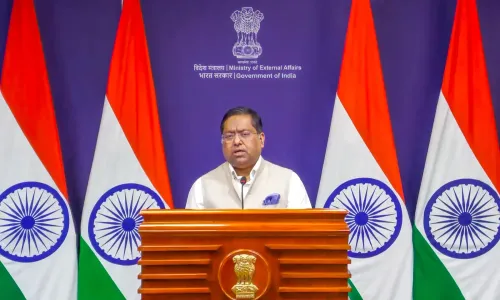
Spokesperson Randhir Jaiswal said the unrest stems from Pakistan's decades-long systemic exploitation and denial of fundamental rights.
Pakistani authorities have reportedly responded with police brutality , food and medicine blockades, internet blackouts, and lethal force against unarmed civilians.
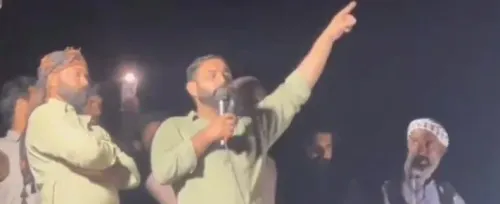
Protest leader Javed Iqbal in Rawalakot said civilians asking for basic needs are being met with bullets.
The Joint Awami Action Committee (JAAC) has called a long march to Muzaffarabad on 15 July .
India has urged the international community to hold Pakistan accountable for 'egregious abuses and misdeeds'.
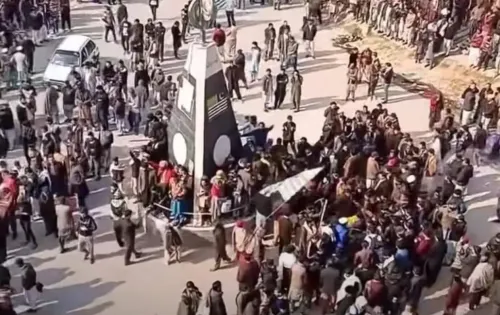
India on Tuesday, 14 July sharply condemned Pakistan over the escalating protests in Pakistan-occupied Jammu and Kashmir (PoJK), asserting that the unrest is a direct consequence of Islamabad's decades-long systemic exploitation, denial of fundamental rights, and illegal administration of the territory. The remarks came from New Delhi as large-scale anti-government demonstrations continued to roil the occupied region for several weeks.
What India Said
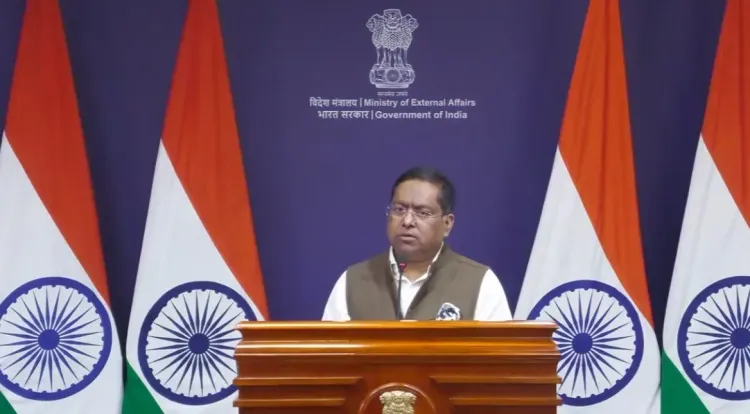
Ministry of External Affairs (MEA) spokesperson Randhir Jaiswal, addressing the weekly media briefing in New Delhi, said Pakistani authorities have responded to legitimate civilian grievances with excessive force rather than dialogue. He called on the international community to hold Pakistan accountable.
'The ongoing protests in Pakistan-occupied Jammu and Kashmir are a direct consequence of Pakistan's decades-long systemic exploitation, denial of fundamental rights and administrative operation in areas under its illegal and forcible occupation,' Jaiswal said.
He further stated: 'Rather than addressing the legitimate grievances of the local population, the Pakistani state has responded with excessive police brutality, including against helpless women and children, blocking essential supplies, including of food and medicines, enforcing internal blackouts and deploying lethal force against unarmed civilians that has led to tragic fatalities. We expect and hope that the international community will hold Pakistan fully accountable to these egregious abuses and misdeeds.'
Scale and Nature of the Protests
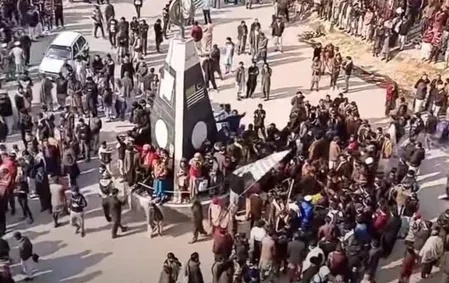
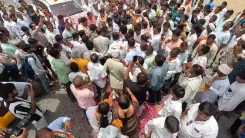
Thousands of residents have been holding sustained demonstrations in PoJK for several weeks, with slogans directed squarely at Pakistani authorities. What began as demands for basic rights — affordable flour, reliable electricity, and clean water — has evolved into a broader challenge to Islamabad's longstanding control over the territory.
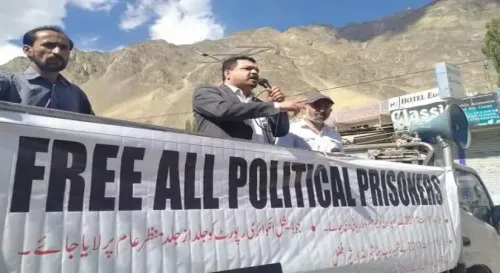
Videos circulating on social media showed hundreds of locals, particularly women, marching against repression, high taxes, steep power tariffs, and arbitrary arrests. The protests reflect a deepening crisis of legitimacy for Pakistani administration in the region, according to observers.
Voices from the Ground
Protest leader Javed Iqbal, addressing a gathering in Rawalakot, delivered a pointed rebuke of Pakistani governance. 'For 78 years, they sold us the 'Srinagar liberation' churan (propaganda). That fake churan is now expired; Kashmiris are no longer buying it. When we ask for flour, we get bullets; when we ask for electricity, we get bullets; when we ask for water, we get bullets,' he said.
The gathering also echoed with the slogan: 'Every single child will fight to the death, but Kashmir (Pakistan-occupied Kashmir) will not become a province' — signalling firm resistance to any move to absorb PoJK into Pakistan's provincial structure.
What Comes Next
The Joint Awami Action Committee (JAAC) has announced a long march towards Muzaffarabad on 15 July, urging people across the region to participate in large numbers. The march is set to significantly amplify pressure on Pakistani authorities. India's statement signals that New Delhi intends to keep international attention trained on the situation, potentially raising it at multilateral forums.
Point of View
Effectively internationalising a crisis that Islamabad has long tried to contain domestically. The timing matters: with the JAAC march on 15 July set to raise the decibel level, New Delhi is positioning itself to amplify PoJK grievances on global platforms. What is notable is the explicit mention of women and children as targets of state force — a framing designed to resonate with human-rights-focused multilateral bodies. Pakistan, for its part, has offered no public response to the MEA's charges, a silence that itself speaks to the difficulty of the moment.
NationPress
14 Jul 2026
Frequently Asked Questions
Why is India commenting on protests in Pakistan-occupied Jammu and Kashmir?
India considers PoJK to be territory under Pakistan's illegal and forcible occupation, and routinely raises human rights conditions there. The MEA's statement on 14 July was a formal response to escalating civilian protests and reports of Pakistani state violence against demonstrators.
What are the PoJK protests about?
Residents have been protesting for several weeks over denial of basic rights including affordable food, reliable electricity, clean water, and freedom from arbitrary arrests. The movement has grown into a broader challenge to Pakistani administrative control over the territory.
What did MEA spokesperson Randhir Jaiswal say about Pakistan?
Jaiswal said the protests are a direct consequence of Pakistan's decades-long systemic exploitation and denial of fundamental rights in PoJK. He accused Pakistani authorities of responding with police brutality, supply blockades, internet shutdowns, and lethal force, and called on the international community to hold Pakistan accountable.
What is the JAAC long march to Muzaffarabad?
The Joint Awami Action Committee (JAAC), a key organising body behind the PoJK protests, has called a long march to Muzaffarabad — the region's administrative capital — on 15 July, urging mass participation to intensify pressure on Pakistani authorities.
What has been the international response to the PoJK protests?
As of India's statement on 14 July, New Delhi has urged the international community to hold Pakistan fully accountable for what it described as egregious abuses. No significant formal international response has been reported thus far, though India's public framing is widely seen as an effort to draw global attention to the situation.