Nagaland CM Rio reviews 27th Hornbill Festival preparations
Synopsis
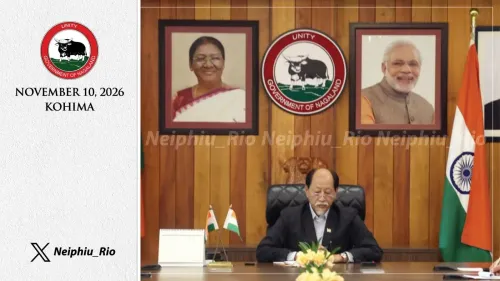
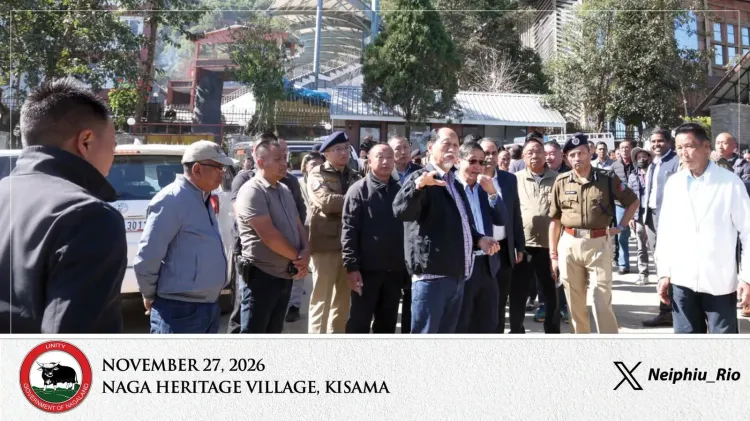
Nagaland Chief Minister Neiphiu Rio on Friday reviewed preparations for the 27th Hornbill Festival as chairman of the High Powered Committee, saying departments and stakeholders are working to welcome visitors to the state's culture, traditions and hospitality.
Key Takeaways
Nagaland Chief Minister Neiphiu Rio reviewed preparations for the 27th Hornbill Festival on 27 November 2026 .
He conducted the review as Chairman of the High Powered Committee (HPC).
The Hornbill Festival was launched in 2000 to foster inter-tribal unity and tourism.
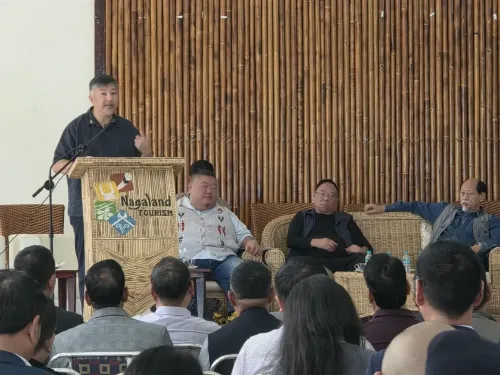
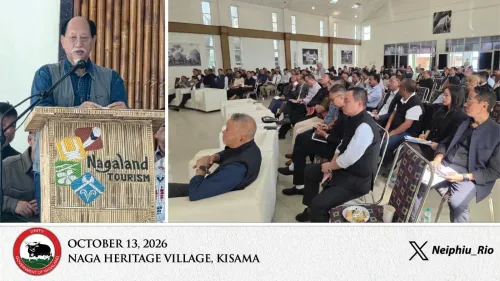
The festival is staged at Kisama Heritage Village near Kohima.
Rio said departments and stakeholders are working to welcome visitors to Nagaland's culture, traditions and hospitality.
Nagaland Chief Minister Neiphiu Rio on Friday, 27 November 2026, reviewed last-mile preparations for the 27th Hornbill Festival, sitting as Chairman of the High Powered Committee that coordinates the state's biggest cultural showcase. The December gathering is Nagaland's annual invitation to the world. The countdown is now operational.
Rio wrote that he had reviewed preparations 'as Chairman of the High Powered Committee (HPC)' and that, with the collective efforts of all departments and stakeholders, 'we look forward to welcoming visitors to experience Nagaland's rich culture, traditions, and warm hospitality.'
Hornbill's run as Nagaland's cultural stage
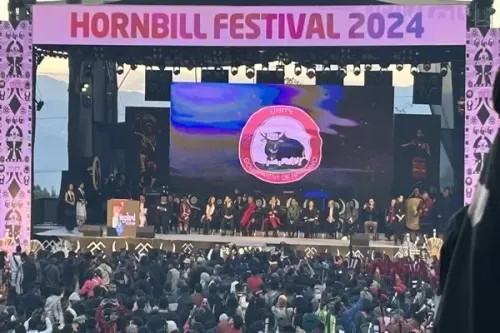
The Hornbill Festival was first organised in 2000 by the Nagaland government to foster inter-tribal unity and to build a tourism product the Northeast could sell beyond its hills. Named after the hornbill, a bird woven into Naga folklore, the event is staged at Kisama Heritage Village near Kohima.
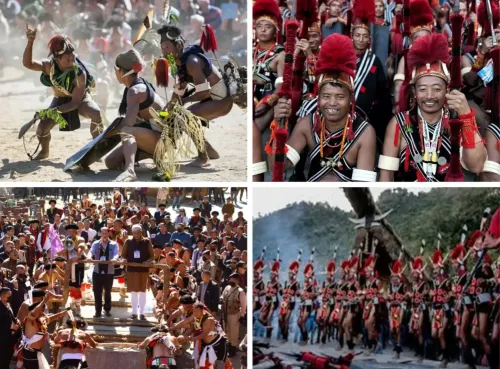
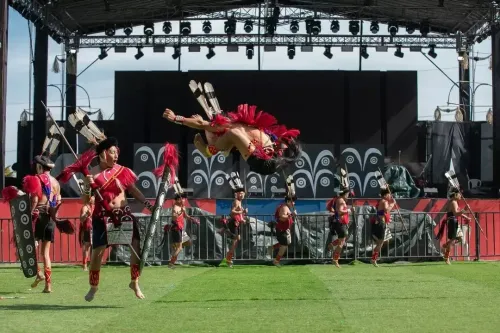
Sixteen major tribes bring dance, cuisine, crafts and sport onto one ground. For a state that has long used culture as its calling card, Hornbill is not a side event. It is the flagship.
High Powered Committee's inter-department drill
Rio chairs the High Powered Committee, the state-level body that lines up logistics, security, tourism, culture and infrastructure in the weeks before the festival. A Chief Minister's review in late November underlines that departments and outside stakeholders are expected to move as one.
Final logistics announcements, security arrangements and any new state or central tourism schemes tied to the December dates are the next public signals.
Tourism as Nagaland's cultural export
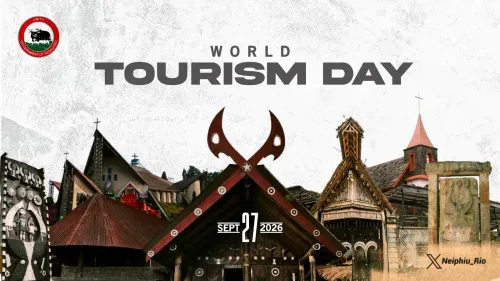
Nagaland has consistently used Hornbill to project cultural identity and attract visitors, aligning with broader Northeast tourism promotion by both the state and the Centre. Tourists come to see; the Naga tribes come to present a living culture rather than a museum piece. That bargain has defined the festival for more than two decades.
For a state of 16 tribes, Hornbill is more than a date on the calendar. It is Nagaland's annual argument that culture, done at scale, is also economic strategy.
Point of View
Chief Minister Neiphiu Rio is treating the 27th edition as a whole-of-government operation rather than a culture-department event. That fits a longer Northeast pattern in which states compete to turn festivals into visitor economies, with both state and central tourism machinery in the background. The test for this edition will be whether last-mile logistics, security and any new tourism schemes actually match the hospitality the Chief Minister has promised.
NationPress
27 Nov 2026
Frequently Asked Questions
When is the Hornbill Festival in Nagaland?
The Hornbill Festival is an annual December cultural event in Nagaland, first organised in 2000. Chief Minister Neiphiu Rio's 27 November 2026 review concerned the 27th edition of that December showcase.
Who chairs the High Powered Committee for the Hornbill Festival?
Nagaland Chief Minister Neiphiu Rio chairs the High Powered Committee (HPC). The body coordinates inter-departmental preparations for the festival.
Where is the Hornbill Festival held?
The festival is held at Kisama Heritage Village near Kohima. The venue was developed to showcase Naga tribal heritage and to promote tourism.
Why was the Hornbill Festival started?
The Nagaland government launched the festival in 2000 to foster inter-tribal unity and to develop tourism infrastructure. It has since become the state's flagship cultural platform.
How many tribes take part in the Hornbill Festival?
Nagaland has 16 major tribes whose customs, dances, crafts and food form the core of the festival. The event was designed as a shared ground for those communities and for visitors.