CM Rio Salutes Nagaland's Handloom Weavers on National Handloom Day
Synopsis
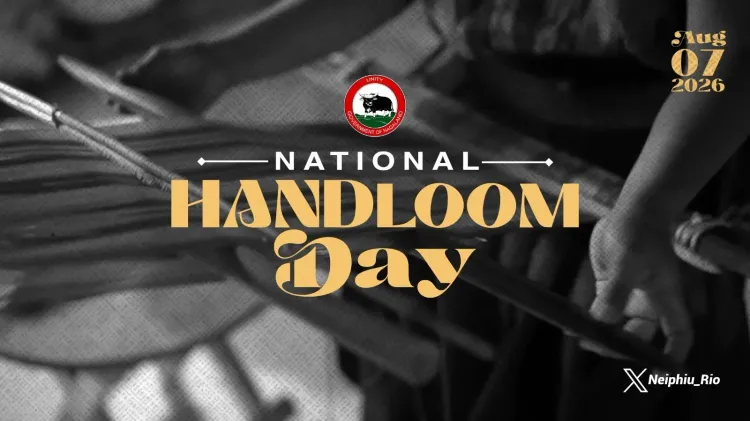
On National Handloom Day, 7 August 2026, Nagaland Chief Minister Neiphiu Rio honoured the state's tribal handloom weavers, describing weaving as a way of life that sustains families and preserves Nagaland's rich cultural heritage. The observance, instituted in 2015, marks the centenary of the Swadeshi movement.
Key Takeaways
Nagaland CM Neiphiu Rio posted a tribute to handloom weavers on National Handloom Day, 7 August 2026 .
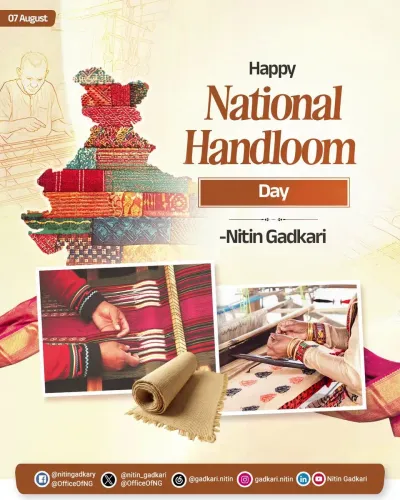
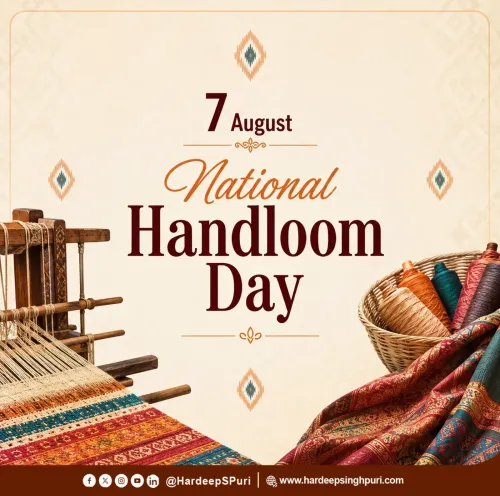
National Handloom Day is observed every 7 August , instituted in 2015 to mark the centenary of the 1905 Swadeshi movement .
Rio described handloom weaving in Nagaland as 'a way of life' that sustains families and preserves tribal cultural heritage.
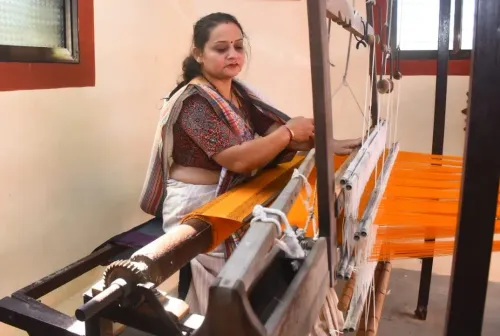
Handloom weaving in the Northeast is predominantly women-led and encodes distinct tribal identities through patterns and motifs.
Central and state schemes have sought to link traditional weaving clusters with markets, combining livelihood support with cultural preservation.
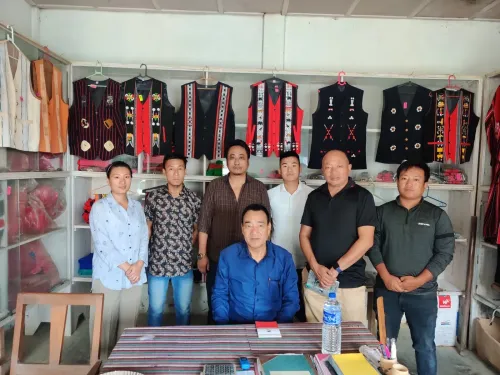
On National Handloom Day, 7 August 2026, Nagaland Chief Minister Neiphiu Rio paid tribute to the state's handloom weavers, calling their craft a living tradition that sustains families and keeps tribal identity intact.
Rio wrote on X: 'On #NationalHandloomDay we celebrate the hard work and skill of India's handloom weavers. In Nagaland, handloom weaving is a way of life that keeps our traditions alive, supports families, and reflects our rich cultural heritage. We honour every weaver who keeps this tradition alive.'
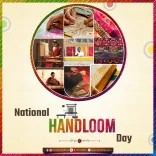
National Handloom Day is observed every year on 7 August — a date chosen in 2015 to mark the centenary of the Swadeshi movement launched on that day in 1905. The observance was instituted to shine a national spotlight on an industry that employs millions, particularly in India's northeastern states, where weaving is inseparable from ethnic identity.
Weaving as identity in Nagaland's tribal households
For Nagaland's many ethnic communities, the loom is not a relic — it is a living institution. Distinct weave patterns, colours, and motifs identify specific tribes, mark ceremonial occasions, and encode histories that predate written records. Artisan households, predominantly women-led, pass these techniques across generations, making the craft both a cultural archive and a source of household income. Successive central schemes have sought to connect traditional weaving clusters in the Northeast with wider markets, offering credit support, design upgrades, and marketing linkages. State governments like Nagaland's have consistently framed the sector's value in dual terms: economic livelihood and irreplaceable cultural continuity.The national push behind the loom
Rio's message lands within a broader national conversation about sustaining handloom as both a rural livelihood sector and a soft-power asset. The Northeast, with its extraordinary textile diversity, sits at the centre of that conversation. Handloom expos and buyer-seller meets scheduled through the year serve as the practical machinery behind the symbolic observance — turning tribute into transaction for weavers who need markets as much as recognition. Every shuttle thrown across a Naga loom carries a thread of history. The Chief Minister's message is a reminder that the weaver's skill deserves more than an annual salute — it deserves a market that matches its worth.Point of View
Handloom is not a heritage footnote but a live economic and cultural institution that demands sustained state attention. By framing weaving as 'a way of life' rather than a cottage industry, the Chief Minister reinforces the Northeast's long-standing argument that cultural distinctiveness must be factored into national livelihood schemes. The tribute also reflects the NDPP-led government's broader identity politics — anchoring governance in the pride of tribal heritage resonates strongly with Nagaland's electorate. The real test, as always, will be whether symbolic recognition translates into concrete market access and credit support for artisan households before the next handloom expo season.
NationPress
7 Aug 2026
Frequently Asked Questions
What is National Handloom Day and when is it celebrated?
National Handloom Day is observed every year on 7 August . It was instituted in 2015 to mark the centenary of the Swadeshi movement , which was launched on 7 August 1905 , and to recognise the contribution of handloom weavers across India.
What did Nagaland CM Neiphiu Rio say on National Handloom Day 2026?
CM Neiphiu Rio said that in Nagaland , handloom weaving is 'a way of life' that keeps traditions alive, supports families, and reflects the state's rich cultural heritage, honouring every weaver who keeps the tradition going.
Why is handloom weaving important in Nagaland?
In Nagaland , handloom weaving is deeply tied to tribal identity — distinct patterns, colours, and motifs identify specific communities and mark ceremonial occasions. It is also a key source of household income, with artisan households predominantly led by women.
How does the government support handloom weavers in Northeast India?
Successive central schemes have aimed to connect traditional weaving clusters in the Northeast with wider markets through credit support, design development, and marketing linkages. State governments like Nagaland 's complement these with cultural promotion and handloom expos.