Amit Shah Marks National Handloom Day, Hails Modi Govt's Weaver Push
Synopsis
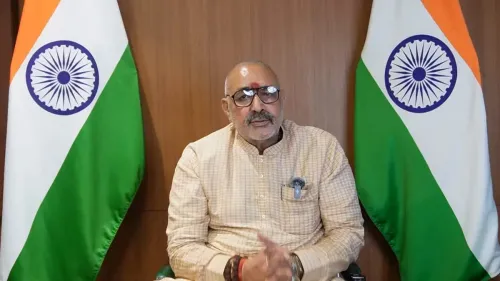
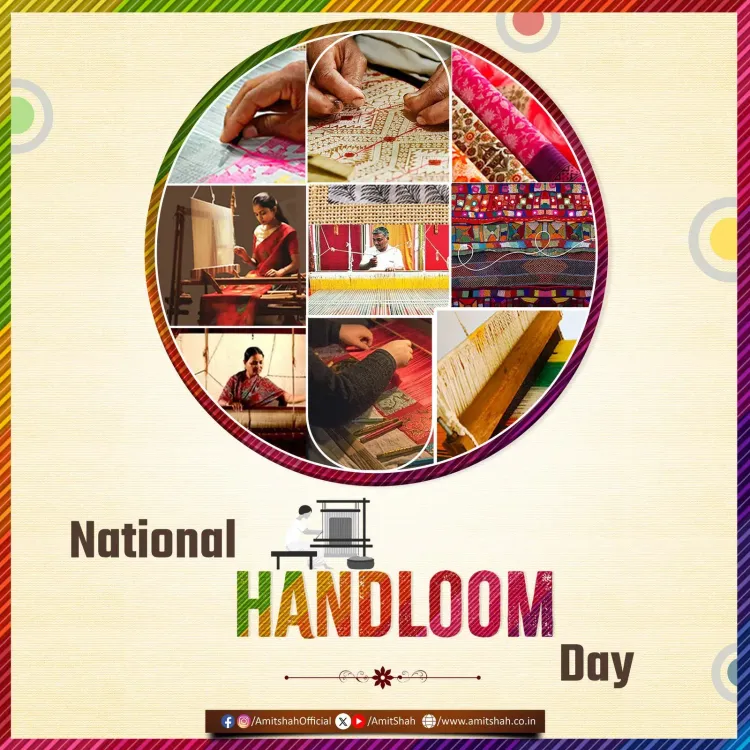
Union Home Minister Amit Shah marked National Handloom Day on 7 August 2026, connecting the sector to India's Swadeshi heritage, crediting PM Modi with institutionalising the observance in 2015, and calling on citizens to make handloom products part of daily life.
Key Takeaways
National Handloom Day is observed on 7 August every year since 2015 , marking the anniversary of the 1905 Swadeshi movement .
Prime Minister Narendra Modi instituted the day to honour handloom weavers and their link to India's freedom struggle.
Union Home Minister Amit Shah credited the Modi government with expanding weaver opportunities through domestic support and trade frameworks.
Central schemes such as the Handloom Weavers' Comprehensive Welfare Scheme and cluster development programmes back the sector.
Shah called on citizens to incorporate handloom products into daily life as a demand-side boost for the sector.
New state-level procurement policies and export incentive updates for handloom are expected in the coming fiscal year.
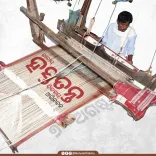
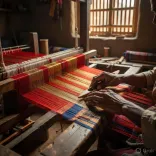
From the Swadeshi bonfires of 1905 to the looms of rural India today — the thread connecting them is longer than most realise. Union Home Minister Amit Shah marked National Handloom Day on 7 August 2026 by calling the sector a living symbol of India's cultural heritage and its freedom struggle, and crediting the Modi government with giving it fresh momentum through trade and domestic support.
A Day Born from the Swadeshi Movement
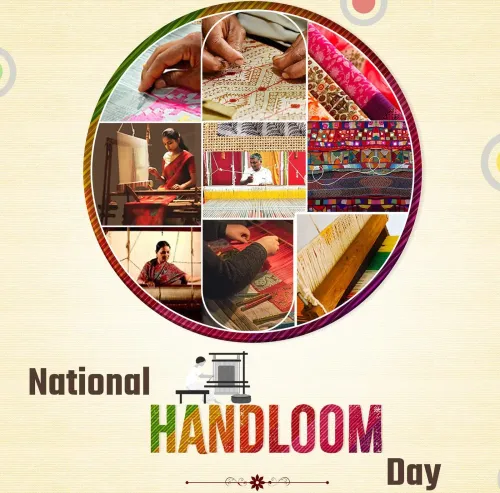
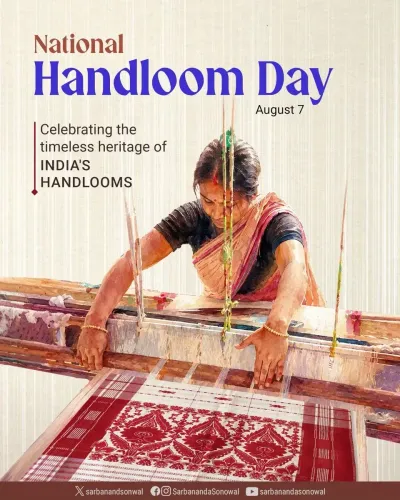
National Handloom Day has been observed every 7 August since 2015, when the Government of India instituted it to commemorate the launch of the Swadeshi movement on that date in 1905. That movement, which called on Indians to reject British-made cloth and wear homespun fabric, made the handloom a political weapon — and a cultural one. Prime Minister Narendra Modi formalised the annual observance to anchor that history in the present and spotlight the millions of weavers whose livelihoods depend on the craft. Shah's post underscored that link directly: 'India's handloom sector, which was closely associated with our freedom movement, represents India's rich cultural heritage and diversity.'Policy Backing Behind the Celebration
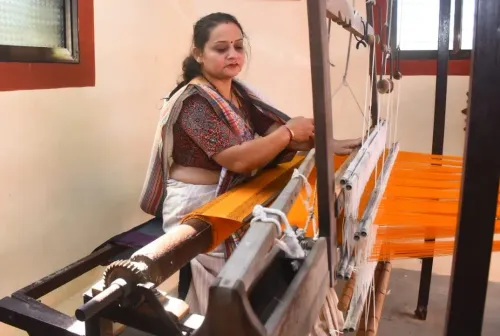
The day is not merely ceremonial. Central government support for handloom weavers has run through schemes including the Handloom Weavers' Comprehensive Welfare Scheme and cluster development programmes designed to modernise production while preserving traditional techniques. Shah pointed to the government opening 'new opportunities for weavers through global trade agreements and domestic support' — though the specific trade frameworks referenced in the post could not be independently verified from available data. The broader push reflects a consistent policy calculation: handloom is not just heritage, it is rural employment. Powerloom and synthetic fabric competition has squeezed traditional weavers for decades, and successive governments have tried — with mixed results — to sustain those livelihoods through procurement drives and marketing initiatives.The 'Wear Handloom' Ask
Shah closed with a direct appeal to citizens: 'May this day renew our resolve to support the sector by making its products a part of our daily lives.' It is a recurring theme in handloom promotion — that supply-side schemes alone cannot rescue the sector if everyday demand does not follow. The call to make handloom fabric a household staple, rather than an occasional purchase, is the demand-side bet the government keeps placing. With state-level procurement policies and export incentive updates expected in the coming fiscal year, the weaver community will be watching whether this anniversary translates into new numbers on their order books.Point of View
Then credit the Modi government with its institutionalisation. The framing serves a dual purpose — it positions the ruling party as the guardian of India's artisanal heritage while signalling continued policy intent toward the weaver community, a significant rural vote bloc. The appeal to everyday consumer behaviour is the more substantive ask, acknowledging that government schemes alone have not solved the demand gap that powerloom and synthetic fabrics have carved out. Watch whether the anniversary is followed by concrete procurement or export announcements, which would separate policy signal from political ritual.
NationPress
7 Aug 2026
Frequently Asked Questions
Why is National Handloom Day celebrated on 7 August?
National Handloom Day is observed on 7 August to commemorate the launch of the Swadeshi movement on that date in 1905 , when Indians pledged to use domestically made goods, especially handloom cloth, in protest against British rule.
Who started National Handloom Day in India?
The Government of India under Prime Minister Narendra Modi instituted National Handloom Day in 2015 to honour the handloom sector's role in the freedom movement and draw attention to the livelihoods of weavers.
What did Amit Shah say on National Handloom Day 2026?
Union Home Minister Amit Shah said the handloom sector 'represents India's rich cultural heritage and diversity,' credited PM Modi with introducing the day, highlighted government support through trade and domestic schemes, and urged citizens to use handloom products daily.
What government schemes support handloom weavers in India?
Key central government initiatives include the Handloom Weavers' Comprehensive Welfare Scheme and cluster development programmes, which aim to modernise production, provide welfare cover, and create marketing opportunities for traditional weavers.
How can citizens support India's handloom sector?
The government and leaders like Amit Shah consistently urge citizens to buy and wear handloom fabric in everyday life, arguing that sustained consumer demand — not just policy support — is essential to keeping the sector viable against competition from powerloom and synthetic alternatives.